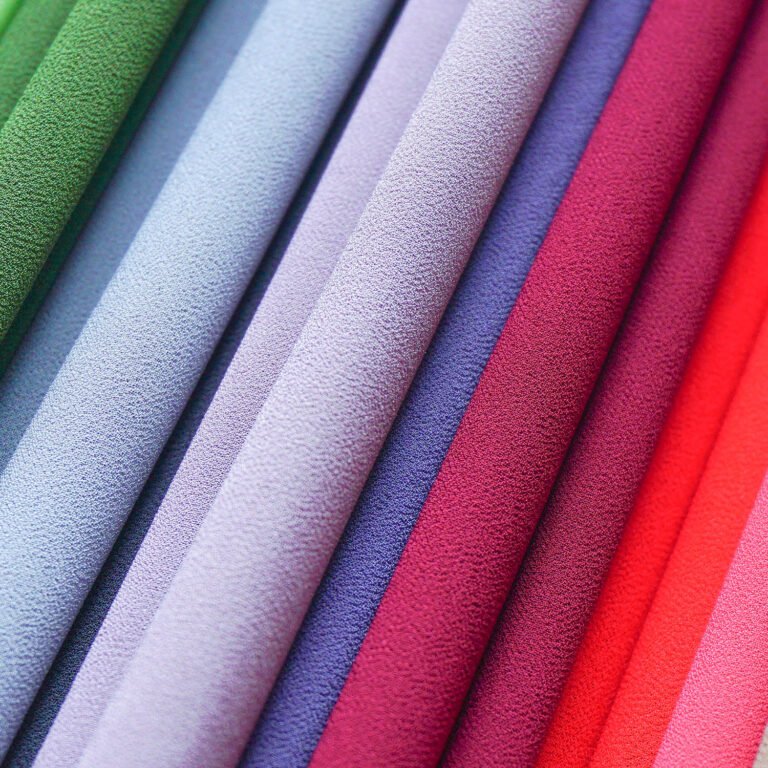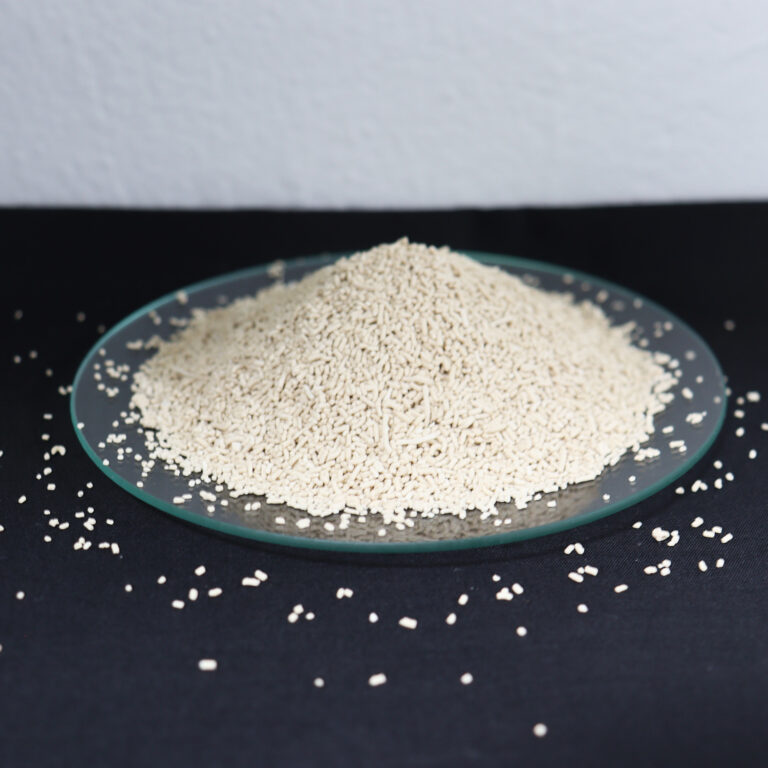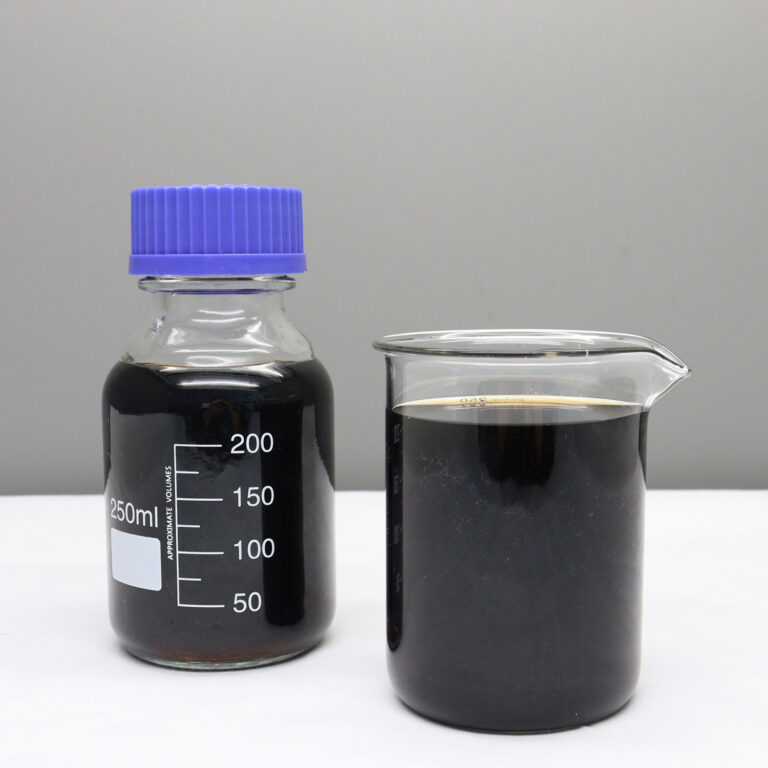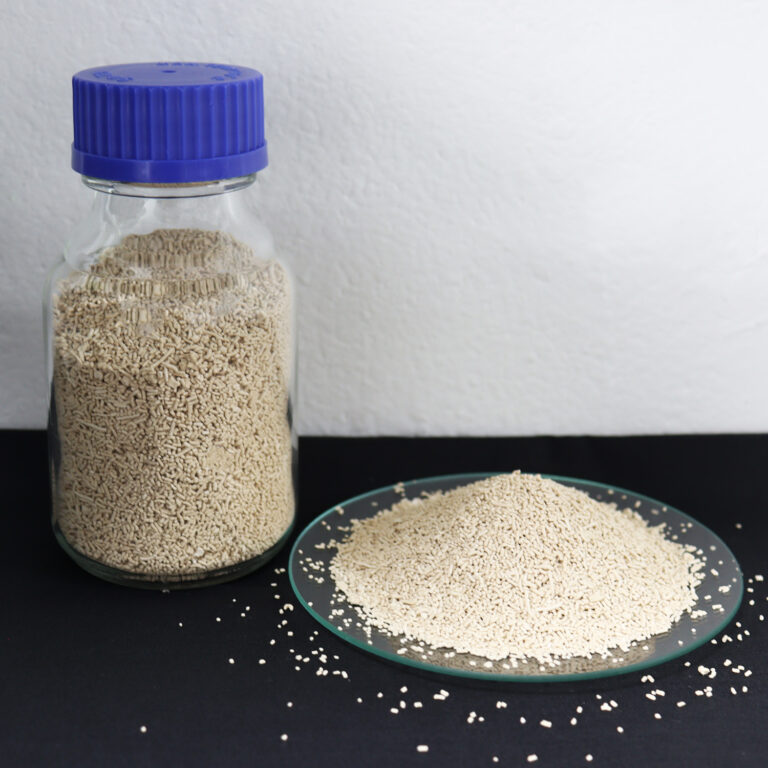
When customers buy clothes, they expect them to look new and smooth even after repeated washes. But pilling—the formation of tiny fuzz balls on the surface—can ruin that experience. Behind the scenes, textile chemists have developed a powerful solution: anti-pilling agents. Unlike simple fabric softeners, these are designed with precise molecular action to protect fibers from mechanical stress and friction.
The Chemistry of Fabric Pilling
To understand how anti-pilling agents work, we first need to examine why pilling happens.
- Fiber Breakage: Short or weak fibers break loose from yarns during abrasion.
- Migration: Loose fibers move to the fabric surface.
- Entanglement: Friction causes these fibers to twist and knot.
- Pill Formation: Over time, tangled fibers harden into visible fuzz balls.
Pilling is not just a cosmetic issue; it also signals reduced fabric strength and premature wear.
How Anti-Pilling Agents Intervene
Anti-pilling agents are chemical finishes applied during textile processing, often in the padding or exhaust stage. Their function is based on fiber modification and surface chemistry:
- Crosslinking: Resin-based agents form chemical bridges between fibers, locking them into place.
- Film Formation: Polymer-based finishes create a thin protective coating, preventing fibers from breaking away.
- Surface Energy Control: Silicone-based agents alter surface properties, reducing friction and making fibers slide smoothly against each other.
- Abrasion Resistance: By reinforcing fiber strength, agents delay the cycle of breakage and pill formation.
In essence, anti-pilling agents don’t just treat the surface—they alter the way fibers interact with each other under stress.
Different Classes of Anti-Pilling Agents
Each category works slightly differently:
- Resin-Type Agents
- Function: Create covalent crosslinks between fibers.
- Best for: Cotton and blends where pill formation is frequent.
- Advantage: Long-lasting effect.
- Polymer Dispersions
- Function: Form a continuous, flexible film on fabric surfaces.
- Best for: Synthetic fibers like polyester.
- Advantage: Strong abrasion resistance.
- Silicone-Based Agents
- Function: Reduce surface friction with a lubricating effect.
- Best for: Soft, smooth hand-feel fabrics.
- Advantage: Maintains comfort while preventing pills.
Manufacturers often combine these agents for maximum performance.
Why This Matters for Textile Innovation
The textile industry is increasingly consumer-driven. End-users demand garments that look new for longer, while manufacturers need cost-effective, scalable solutions. Anti-pilling agents meet these demands by:
- Enhancing product value (higher durability = stronger brand reputation)
- Reducing customer complaints and returns
- Enabling premium finishes without compromising comfort
For global brands, anti-pilling finishing is no longer optional—it’s a competitive necessity.
Future Directions in Anti-Pilling Research
Textile chemistry continues to evolve, with research focused on:
- Bio-based polymers that are biodegradable and eco-friendly.
- Nanotechnology coatings that provide ultra-thin, invisible protection.
- Multi-functional finishes that combine anti-pilling with antibacterial, anti-static, or moisture-wicking properties.
These innovations aim to balance performance, sustainability, and consumer comfort.
Conclusion
The science behind anti-pilling agents reveals how chemistry and textile technology come together to solve everyday fabric challenges. By reinforcing fibers, reducing friction, and preventing pill formation at the molecular level, these agents help clothes stay smooth, new, and wearable for longer.
If you’re a textile professional or brand seeking high-performance anti-pilling solutions, Meixin Biotech can provide tailored support. Contact us at connie.huang@meixinbiotech.com for expert guidance and product information.
Functional Auxiliaries Articles
How Antimicrobial Treatments Extend the Life and Performance of Fabrics
The Role of Antimicrobial Finishing Agents in Healthcare and Sportswear
Antibacterial Textile Chemicals: Ensuring Hygiene and Safety in Modern Fabrics
The Benefits of Wrinkle-Free Fabric Softeners for Everyday Textiles
How Wrinkle-Free Fabric Softeners Work: Chemistry Behind the Comfort
Anti-Pilling Treatments: Key Chemicals and Their Applications in Textiles
The Science Behind Anti-Pilling Agents: Keeping Clothes Smooth and New