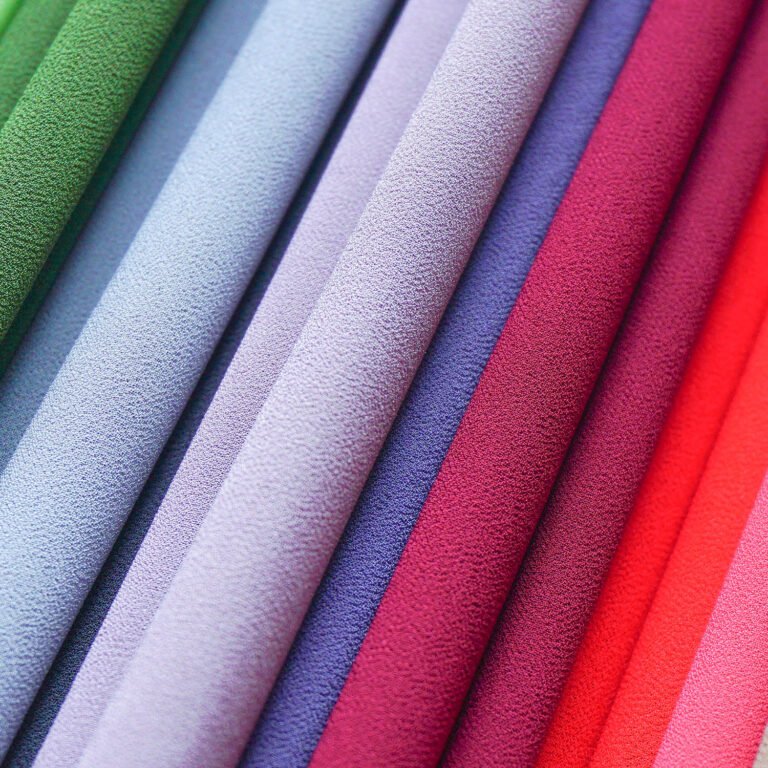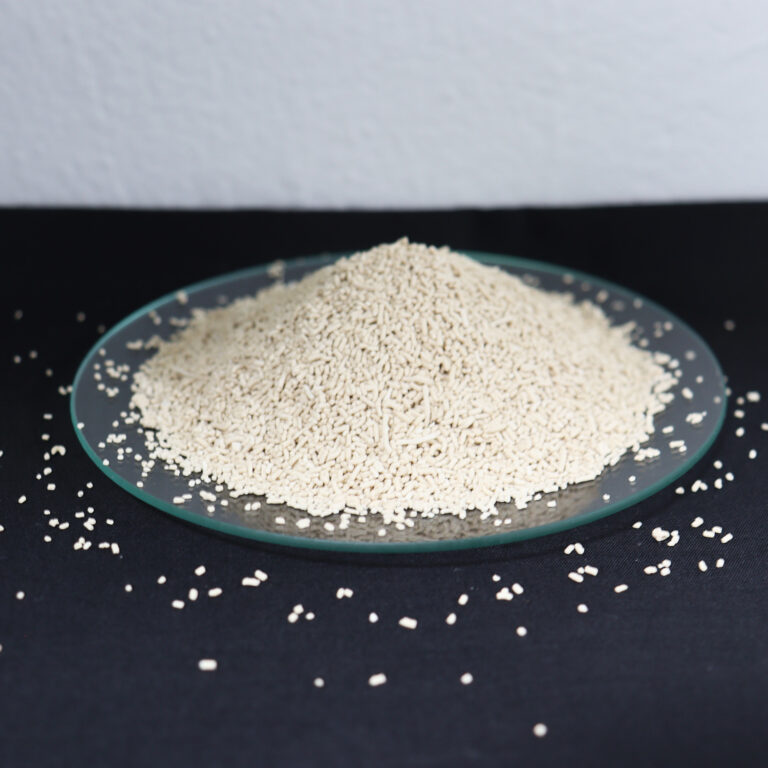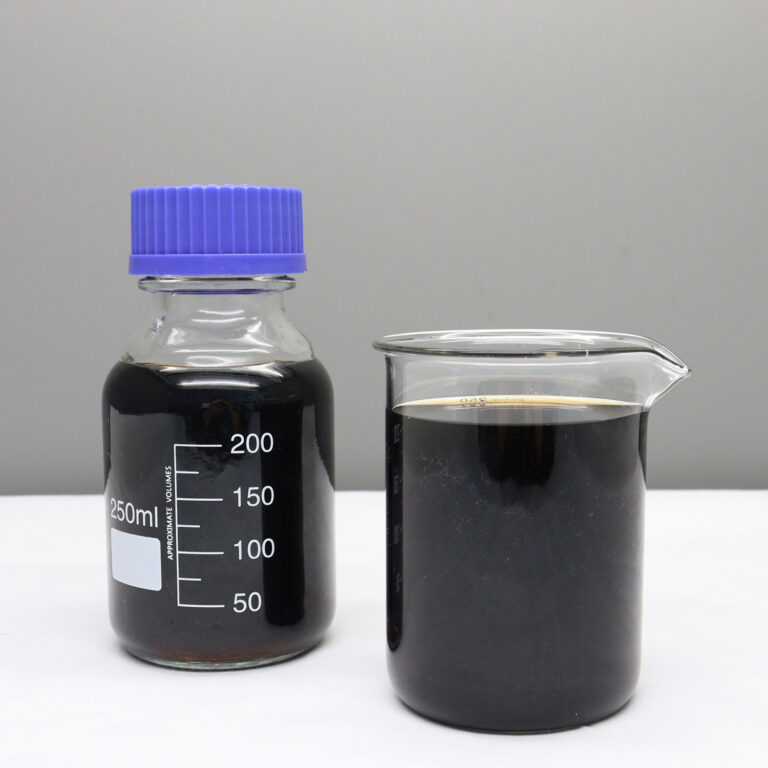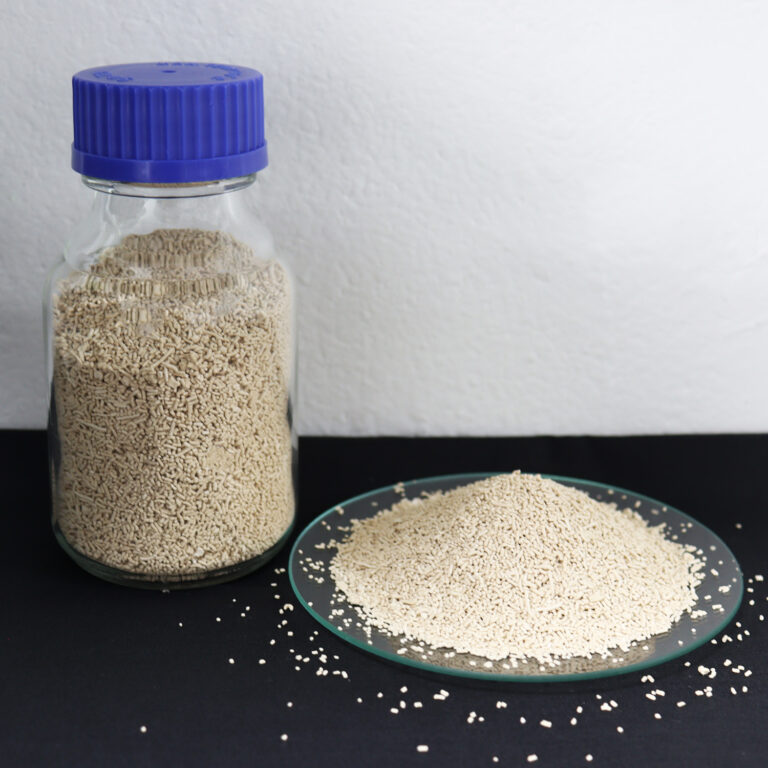
Pilling is one of the most persistent problems in textile manufacturing, affecting both aesthetics and durability. Modern finishing techniques rely on anti-pilling treatments, where specialized chemicals are applied to fabrics to reduce fuzz formation and extend product life. In this article, we’ll explore the key chemicals used in anti-pilling agents, their applications across textiles, and provide a comparison table for easy understanding.
Why Anti-Pilling Treatments Are Needed
Pilling occurs due to fiber breakage and entanglement during wear, washing, or abrasion. Without proper finishing, garments can quickly lose their smoothness and appear worn-out. Anti-pilling treatments are essential for:
- Maintaining a fabric’s “like-new” appearance
- Enhancing consumer satisfaction
- Reducing product returns for apparel brands
- Extending fabric life, especially in high-friction areas
Key Chemicals in Anti-Pilling Agents
1. Resin-Based Anti-Pilling Agents
- How They Work: Create covalent crosslinks between fibers, locking them into place.
- Advantages: Long-lasting performance, durable even after multiple washes.
- Applications: Cotton fabrics, cotton-polyester blends, knitwear.
2. Polymer Dispersions
- How They Work: Form a thin, flexible film over fabric surfaces, increasing abrasion resistance.
- Advantages: High efficiency for synthetics; cost-effective and versatile.
- Applications: Polyester fabrics, sportswear, upholstery.
3. Silicone-Based Anti-Pilling Agents
- How They Work: Act as surface lubricants, reducing friction and fiber entanglement.
- Advantages: Provide softness and smooth hand-feel while minimizing pilling.
- Applications: High-end apparel, delicate knits, wool blends.
Comparison Table of Anti-Pilling Agents
| Type of Agent | Mechanism | Advantages | Best Applications |
|---|---|---|---|
| Resin-Based | Forms covalent crosslinks between fibers | Durable, long-lasting; resists multiple washes | Cotton, cotton-blends, knitwear |
| Polymer-Based | Creates a thin film to increase abrasion resistance | Cost-effective, versatile; excellent for synthetics | Polyester, activewear, home textiles |
| Silicone-Based | Reduces surface friction with lubricating effect | Adds softness, smooth feel; enhances comfort | Luxury apparel, wool, acrylic blends |
| Hybrid Systems | Combination of resin, polymer, and silicone | Balances durability, softness, and abrasion resistance | Premium textiles, multi-functional fabrics |
Applications Across Textile Segments
Anti-pilling treatments are tailored to different textile needs:
- Apparel: Knitwear, T-shirts, sweaters → silicone or hybrid systems for softness + durability.
- Home Textiles: Upholstery, bedding → polymer finishes for abrasion resistance.
- Technical Textiles: Outdoor gear, uniforms → resin/polymer systems for long-lasting wear.
- Luxury Fabrics: High-fashion textiles → silicone or hybrid systems for elegance + comfort.
Future Directions in Anti-Pilling Treatments
The future of textile finishing is moving toward sustainable innovation:
- Bio-based and biodegradable polymers
- Low-formaldehyde resins
- Nanotechnology coatings for ultra-thin, invisible finishes
- Multi-functional agents (anti-pilling + antibacterial, anti-UV, or moisture management)
Conclusion
Anti-pilling treatments rely on carefully formulated chemicals—resins, polymers, and silicones—to protect fabrics from fuzz formation and maintain a “like-new” look. By choosing the right type of agent or hybrid system, manufacturers can ensure fabrics meet both durability and comfort expectations.
If you’re seeking advanced anti-pilling solutions tailored to textile applications, Meixin Biotech offers high-quality products and technical support. Contact us at connie.huang@meixinbiotech.com for more information.
Functional Auxiliaries Articles
How Antimicrobial Treatments Extend the Life and Performance of Fabrics
The Role of Antimicrobial Finishing Agents in Healthcare and Sportswear
Antibacterial Textile Chemicals: Ensuring Hygiene and Safety in Modern Fabrics
The Benefits of Wrinkle-Free Fabric Softeners for Everyday Textiles
How Wrinkle-Free Fabric Softeners Work: Chemistry Behind the Comfort
Anti-Pilling Treatments: Key Chemicals and Their Applications in Textiles
The Science Behind Anti-Pilling Agents: Keeping Clothes Smooth and New