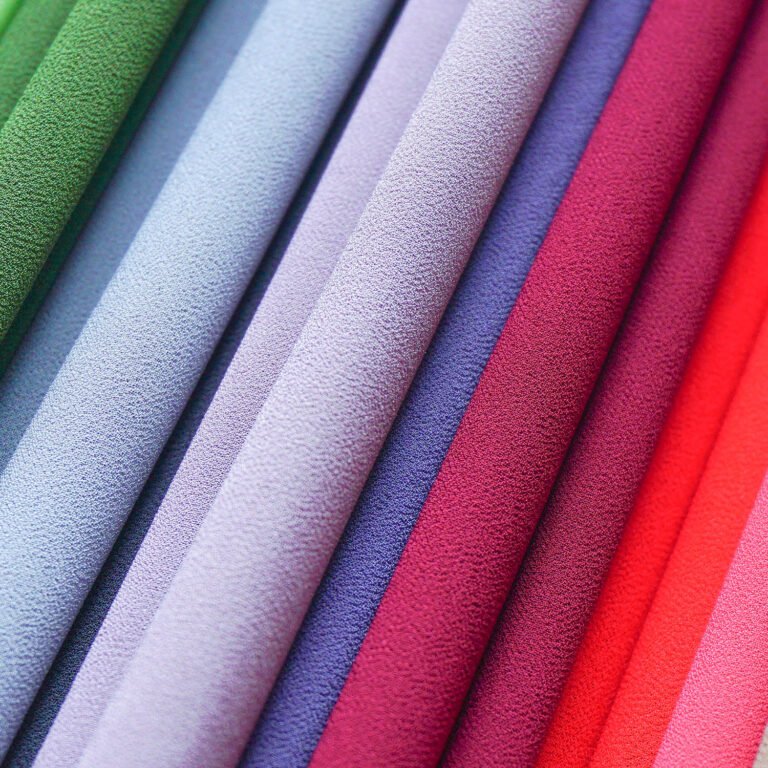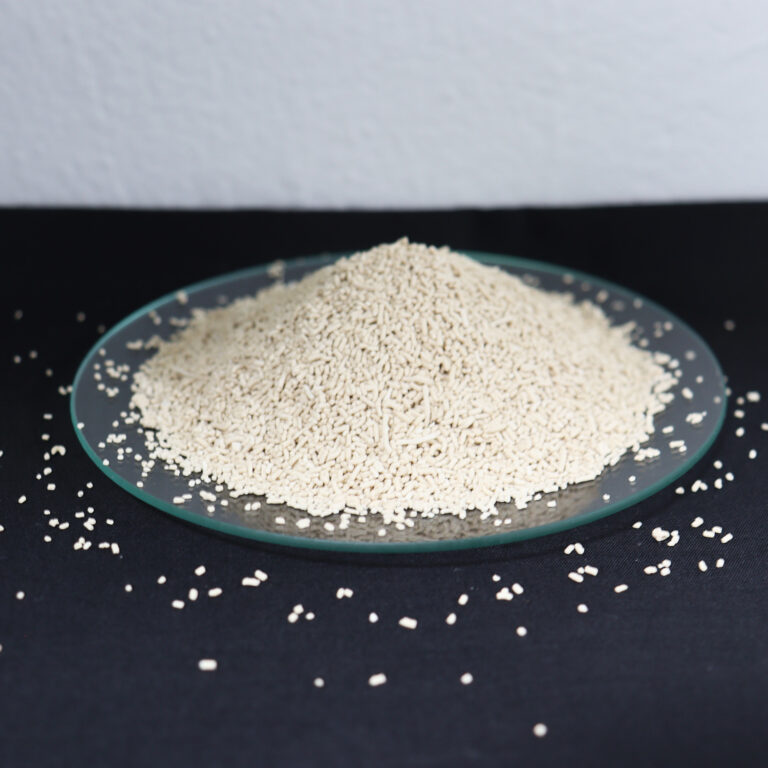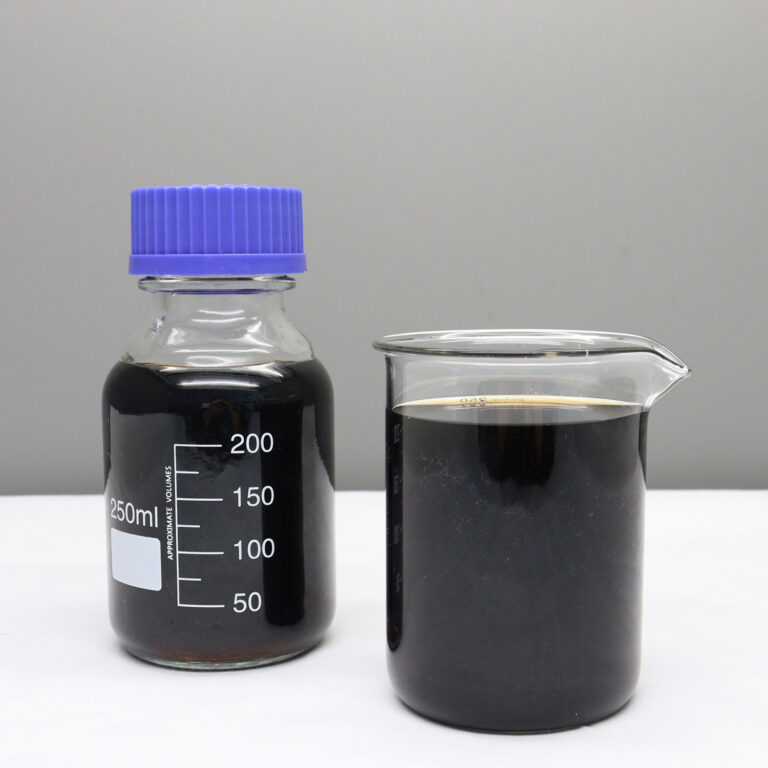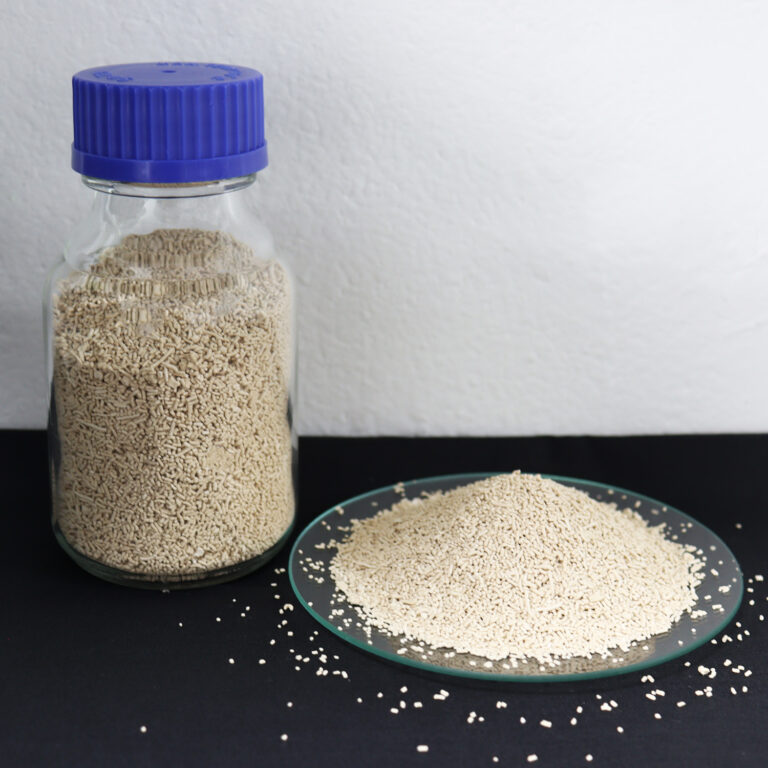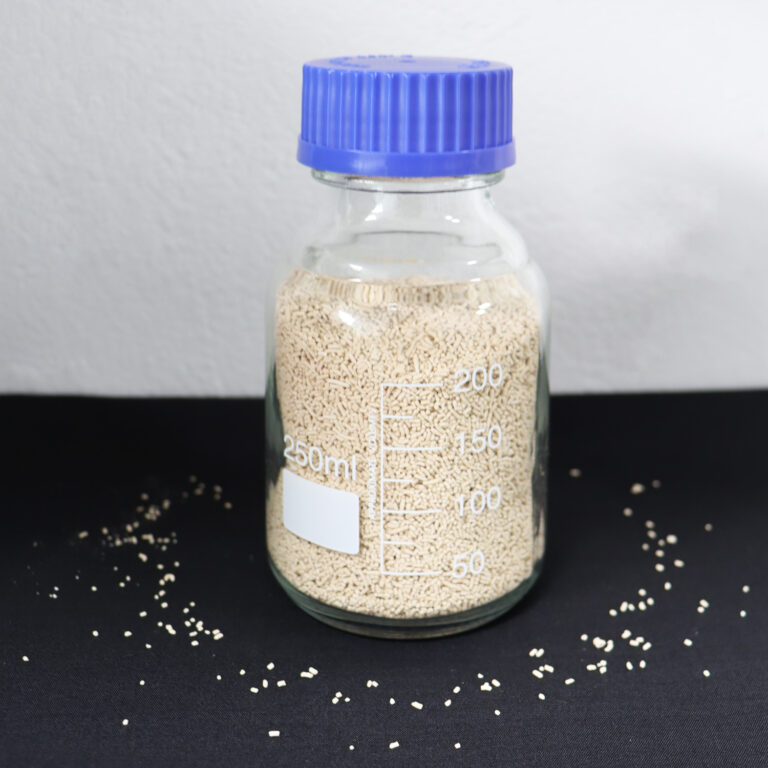
As health and hygiene awareness grows worldwide, consumers increasingly look for fabrics that provide not only comfort and style but also protection. Antibacterial textile chemicals play a crucial role in modern fabric finishing, ensuring garments and home textiles resist harmful microorganisms. This innovation has transformed the textile industry, making fabrics safer, cleaner, and more durable.
1. Why Antibacterial Finishing Matters
Textiles are in constant contact with our skin and environment. Without treatment, fabrics can harbor bacteria, fungi, and unpleasant odors. Antibacterial finishes:
- Prevent microbial growth on fibers.
- Extend fabric freshness even after multiple uses.
- Reduce odor formation caused by sweat and bacteria.
- Improve hygiene in sensitive environments like hospitals and hospitality.
2. The Chemistry of Antibacterial Textile Chemicals
Several types of antibacterial agents are commonly applied in textile finishing:
- Quaternary Ammonium Compounds (QACs): Disrupt bacterial cell membranes, preventing growth.
- Silver Nanoparticles: Release ions that inhibit bacterial activity.
- Triclosan Alternatives: Safer, eco-friendly compounds designed for long-lasting protection.
- Chitosan-Based Agents: Biodegradable options derived from natural sources.
These agents are applied during finishing to form a protective barrier on fibers without compromising softness or breathability.
3. Benefits of Antibacterial Finishing in Textiles
- Improved Hygiene: Reduces risk of bacterial contamination in everyday fabrics.
- Long-Lasting Freshness: Fabrics stay odor-free for longer periods.
- Enhanced Durability: Prevents fiber degradation caused by microorganisms.
- Consumer Safety: Adds value to textiles used in healthcare, sportswear, and hospitality sectors.
4. Key Applications
Antibacterial textile chemicals are used across diverse industries:
- Medical Textiles: Surgical gowns, masks, and hospital linens.
- Sportswear & Activewear: To control odor and maintain freshness.
- Home Textiles: Bedsheets, towels, and upholstery.
- Workwear & Uniforms: For environments requiring high hygiene standards.
Conclusion
Antibacterial textile chemicals represent a powerful intersection of science and consumer need. By incorporating these finishes, manufacturers ensure fabrics remain hygienic, safe, and long-lasting—meeting the modern demand for health-conscious textiles.
For more information on antibacterial textile chemicals and advanced fabric finishing solutions, please contact Meixin Biotech at connie.huang@meixinbiotech.com.
Functional Auxiliaries Articles
How Antimicrobial Treatments Extend the Life and Performance of Fabrics
The Role of Antimicrobial Finishing Agents in Healthcare and Sportswear
Antibacterial Textile Chemicals: Ensuring Hygiene and Safety in Modern Fabrics
The Benefits of Wrinkle-Free Fabric Softeners for Everyday Textiles
How Wrinkle-Free Fabric Softeners Work: Chemistry Behind the Comfort
Anti-Pilling Treatments: Key Chemicals and Their Applications in Textiles
The Science Behind Anti-Pilling Agents: Keeping Clothes Smooth and New