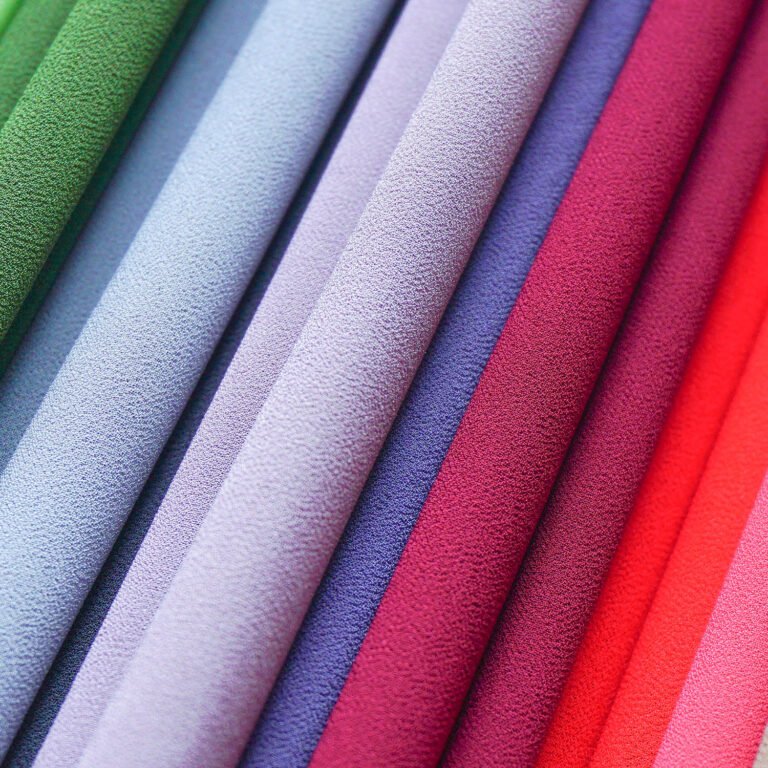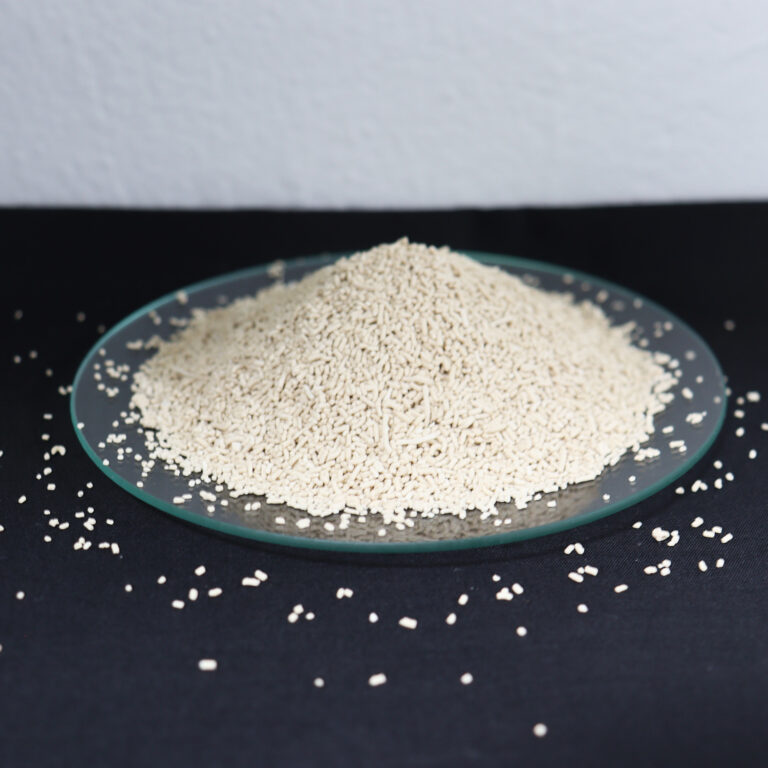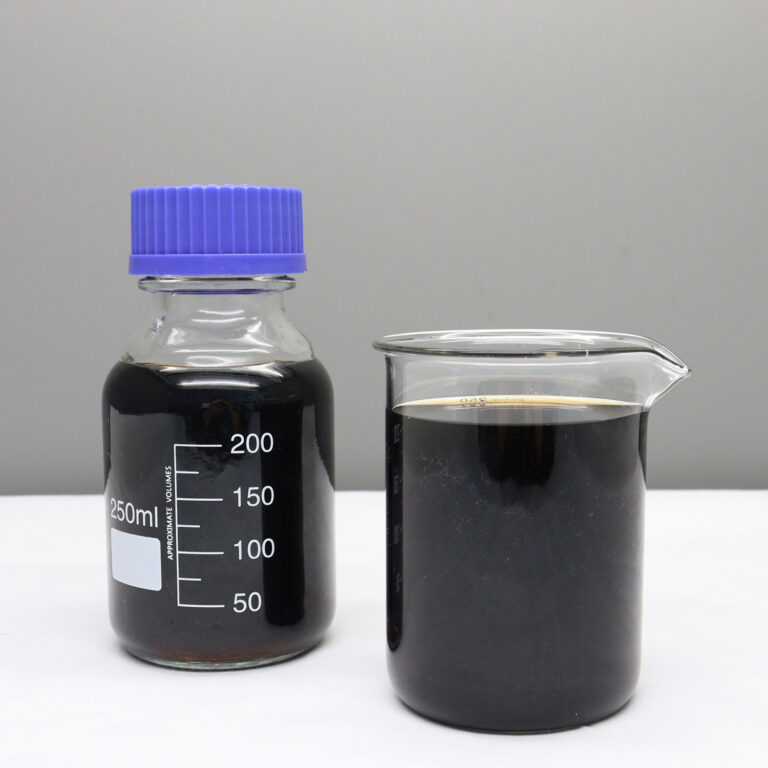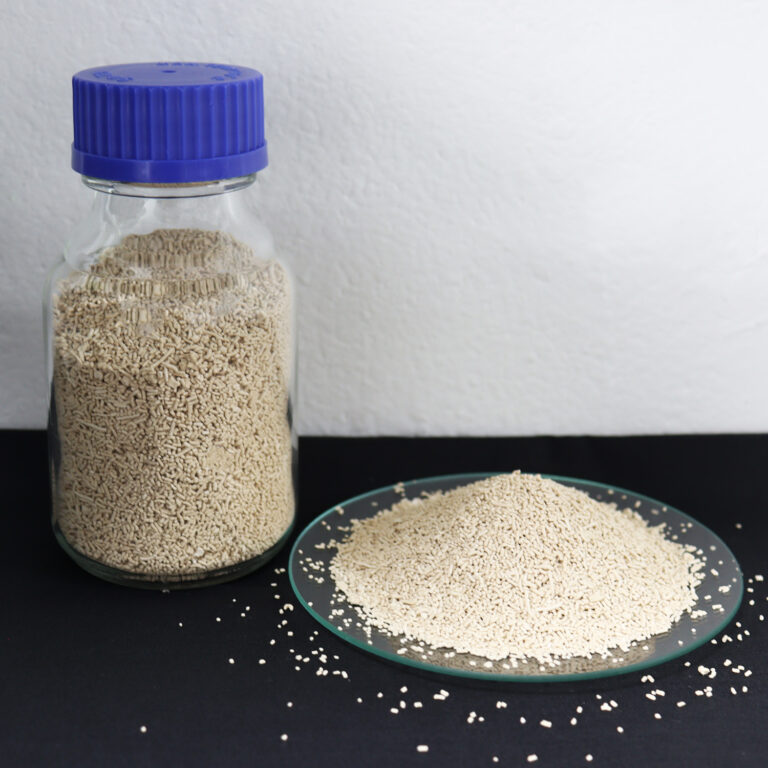
Modern consumers expect fabrics that do more than just look good—they want textiles that stay fresh, resist odors, and last longer. This is where antimicrobial treatments come into play. By preventing microbial growth, these advanced textile finishes enhance both the lifespan and performance of fabrics across a wide range of applications.
1. The Challenge of Microbial Growth in Textiles
Fabrics are naturally prone to harboring bacteria, fungi, and mold due to constant contact with skin, moisture, and the environment. This leads to:
- Unpleasant Odors caused by bacteria feeding on sweat.
- Fiber Damage as microbes break down natural or blended fibers.
- Hygiene Concerns in sensitive settings such as healthcare facilities.
Without protection, textiles wear out faster and require more frequent washing, reducing their overall durability.
2. How Antimicrobial Treatments Work
Antimicrobial treatments are applied during the finishing stage of textile manufacturing. Their action depends on the agent used:
- Silver-Based Finishes: Release ions that disrupt bacterial growth.
- Quaternary Ammonium Compounds (QACs): Break down microbial cell membranes.
- Natural Polymers like Chitosan: Provide eco-friendly antimicrobial properties while being biodegradable.
These finishes bond to fibers, offering long-lasting protection even after multiple wash cycles.
3. Extending Fabric Life
By reducing microbial activity, antimicrobial treatments:
- Prevent Fiber Degradation: Protects against microbial attack that weakens fabrics.
- Reduce Washing Frequency: Fabrics stay fresher for longer, minimizing mechanical wear from repeated laundering.
- Maintain Fabric Integrity: Colors and textures remain intact as fibers are less stressed.
4. Enhancing Fabric Performance
Beyond extending durability, antimicrobial finishes improve performance:
- Odor Control: Keeps sportswear and activewear smelling fresh.
- Improved Hygiene: Essential for hospital linens, uniforms, and masks.
- Greater Comfort: Fabrics feel cleaner and more wearable throughout the day.
5. Key Applications Across Industries
- Healthcare Textiles: Surgical gowns, bed linens, and masks.
- Sportswear & Outdoor Gear: Activewear, socks, and footwear linings.
- Home Textiles: Towels, upholstery, and bedding.
- Workwear & Uniforms: Professional attire requiring long-lasting freshness.
Conclusion
Antimicrobial treatments not only protect fabrics from microbial damage but also ensure long-term freshness, hygiene, and comfort. By incorporating these advanced finishes, textile manufacturers can significantly enhance product quality and meet the growing consumer demand for high-performance fabrics.
For more details on antimicrobial textile solutions, please contact Meixin Biotech at connie.huang@meixinbiotech.com.
Functional Auxiliaries Articles
How Antimicrobial Treatments Extend the Life and Performance of Fabrics
The Role of Antimicrobial Finishing Agents in Healthcare and Sportswear
Antibacterial Textile Chemicals: Ensuring Hygiene and Safety in Modern Fabrics
The Benefits of Wrinkle-Free Fabric Softeners for Everyday Textiles
How Wrinkle-Free Fabric Softeners Work: Chemistry Behind the Comfort
Anti-Pilling Treatments: Key Chemicals and Their Applications in Textiles
The Science Behind Anti-Pilling Agents: Keeping Clothes Smooth and New