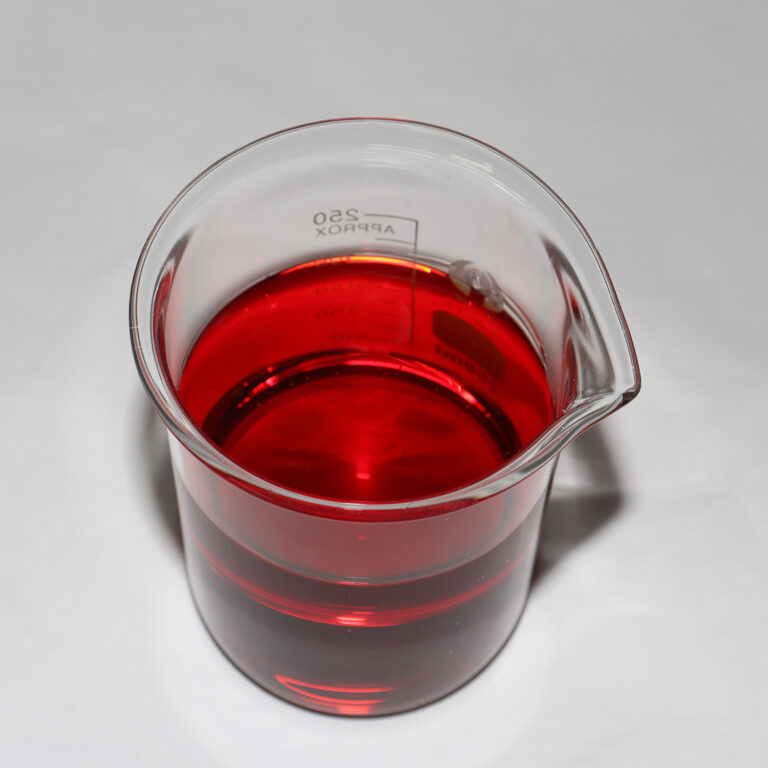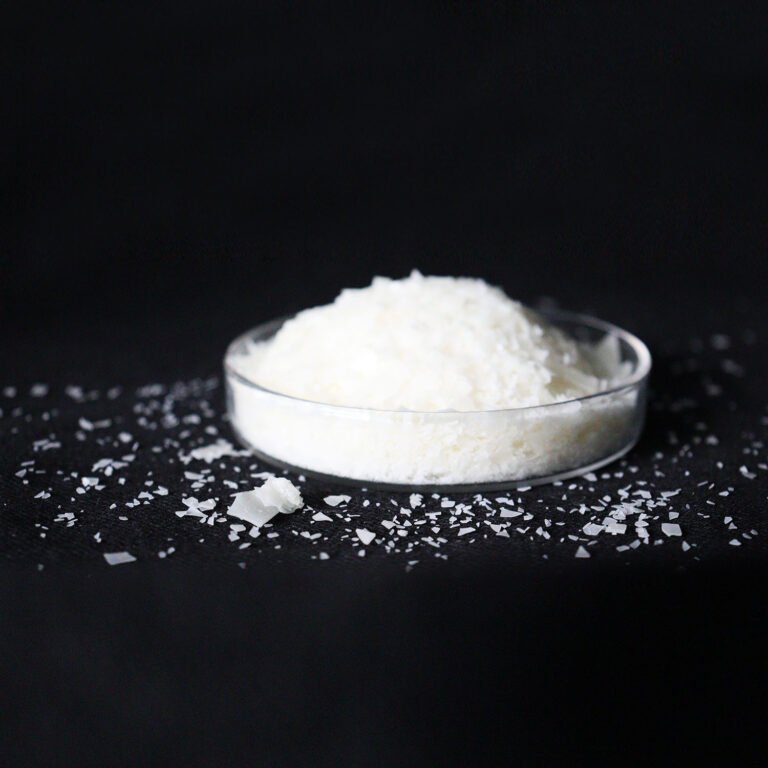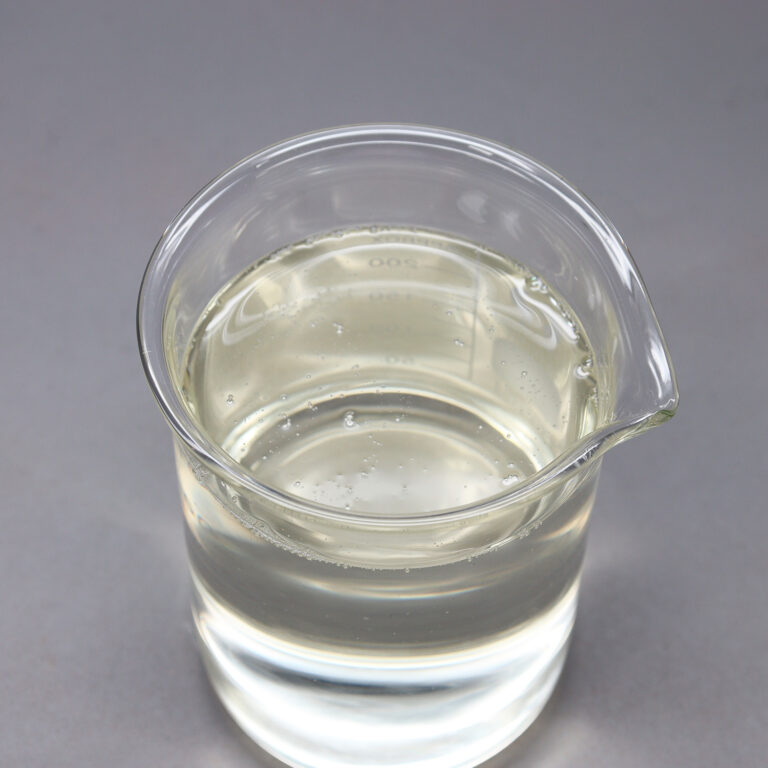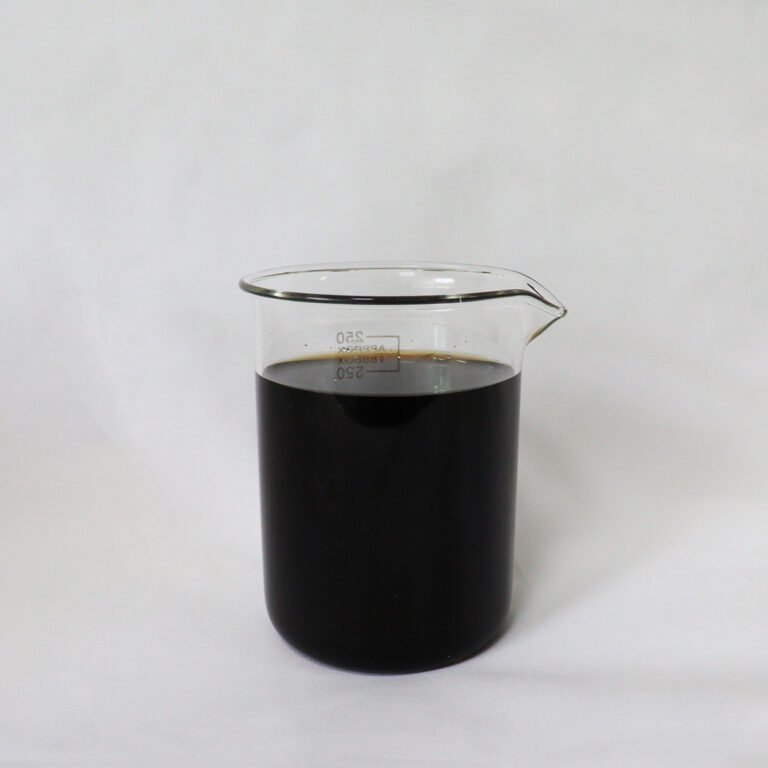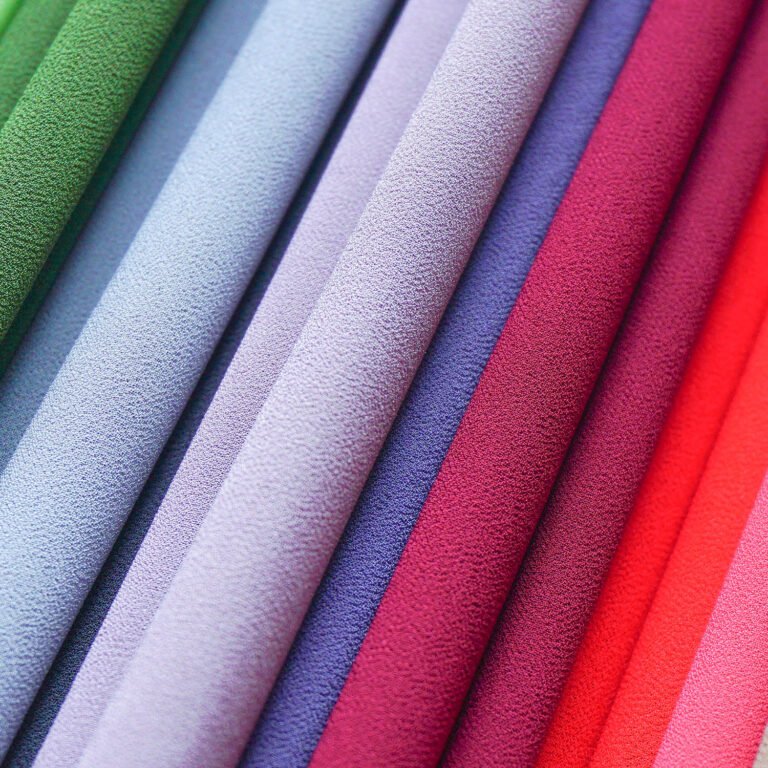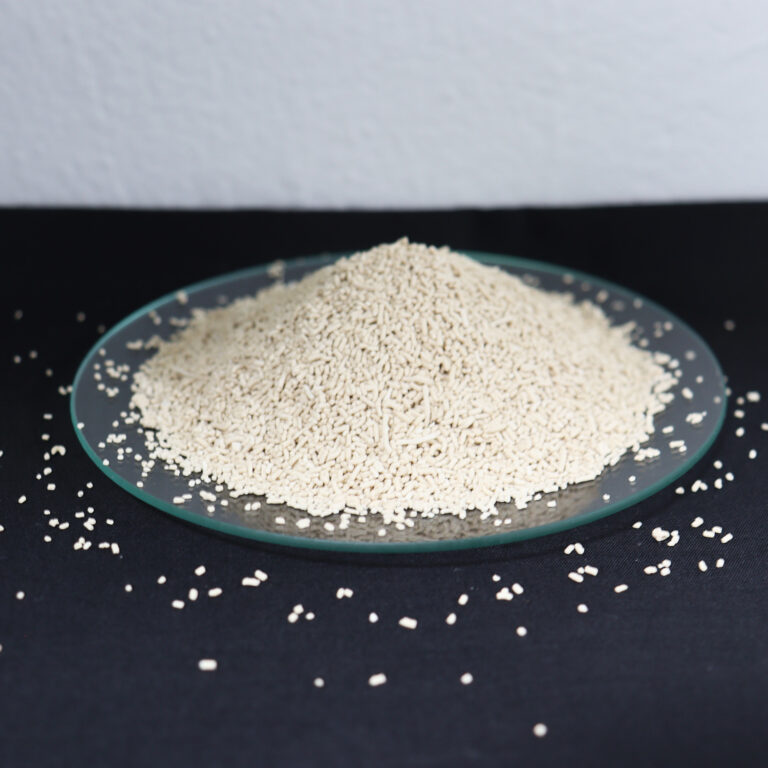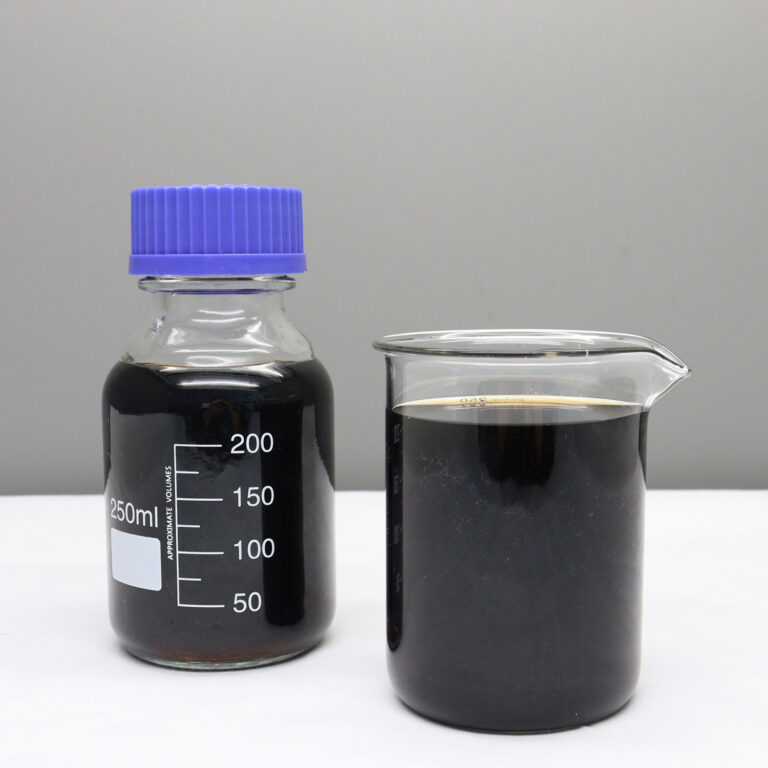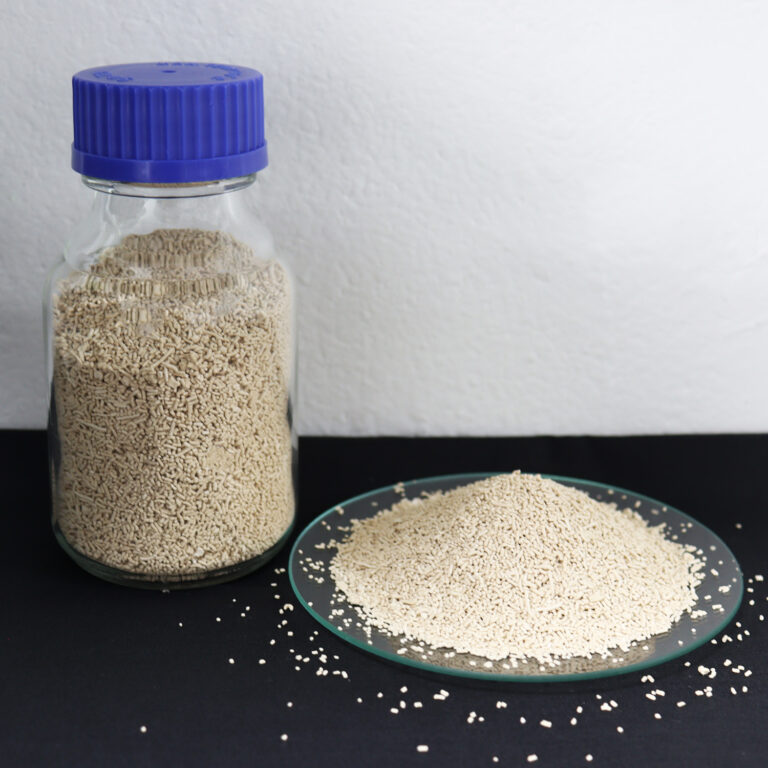
In textile manufacturing, preparing fibers for dyeing and finishing is a critical step. One of the most important processes in this preparation is scouring, which involves removing natural and synthetic impurities from fabrics. Scouring agents, the chemicals used in this process, play a vital role in ensuring fabrics achieve uniformity, softness, and optimal dye absorption. This guide explains their function, types, and applications in textile processing.
1. What Are Scouring Agents?
Scouring agents are chemical compounds used to remove impurities such as:
- Natural waxes and oils present in cotton, wool, and silk
- Residual sizing agents from yarn production
- Dirt, dust, and other contaminants
By eliminating these substances, scouring agents prepare fibers for subsequent processes like bleaching, dyeing, and finishing, ensuring consistent quality and performance.

2. How Scouring Agents Work
The effectiveness of scouring agents depends on their ability to break down and emulsify oils, waxes, and fats in fabrics. Key mechanisms include:
- Saponification: Alkali-based scouring agents react with fats and oils to form soap, which can be washed away.
- Emulsification: Detergent-like compounds suspend oils and waxes in water, preventing re-deposition on fibers.
- Alkalinity Adjustment: High pH levels enhance fiber swelling, increasing accessibility for chemical reactions.
This ensures a clean, hydrophilic fabric surface that improves dye uptake and finishing performance.
3. Types of Scouring Agents
Different scouring agents are used depending on fiber type and processing requirements:
| Type | Mechanism | Applications |
|---|---|---|
| Alkali-Based Agents (NaOH, KOH) | Saponification of fats and oils | Cotton, linen, and blended fabrics |
| Detergent-Based Agents | Emulsify oils and waxes for easy removal | Delicate fabrics, polyester blends |
| Enzymatic Scouring Agents | Biologically break down impurities using enzymes | Cotton and cellulosic fibers; eco-friendly processing |
| Combination Systems | Alkali + detergents or enzymes | Industrial scouring for high efficiency |
4. Benefits of Proper Scouring
Using the right scouring agents ensures:
- Improved Dyeing & Printing: Clean fibers absorb dyes uniformly, resulting in vibrant colors.
- Enhanced Fabric Softness: Residual impurities are removed, making the fabric more comfortable.
- Increased Absorbency: Hydrophilic fabrics improve moisture management and finishing efficiency.
- Longer Fabric Life: Reduced chemical and mechanical stress on fibers during downstream processing.
5. Applications in Modern Textiles
Scouring is essential in various textile segments:
- Apparel Fabrics: Cotton shirts, trousers, and knitwear for uniform color and softness.
- Home Textiles: Bed linens, towels, and curtains to ensure absorbency and durability.
- Industrial Textiles: Nonwoven fabrics and technical textiles where cleanliness is critical.
Conclusion
Scouring agents are a fundamental part of textile processing, ensuring that fibers are clean, hydrophilic, and ready for dyeing, printing, or finishing. By selecting the right chemical treatment, manufacturers can achieve high-quality fabrics with improved color, softness, and performance.
For expert guidance and high-quality scouring agents, contact Meixin Biotech at connie.huang@meixinbiotech.com.
Pre-treatment Articles
Top Mistakes to Avoid When Using Scouring Agents in Cotton Processing
How Scouring Agents Improve Fabric Quality and Dyeing Performance
The Role of Scouring Agents in Textile Processing: A Complete Guide