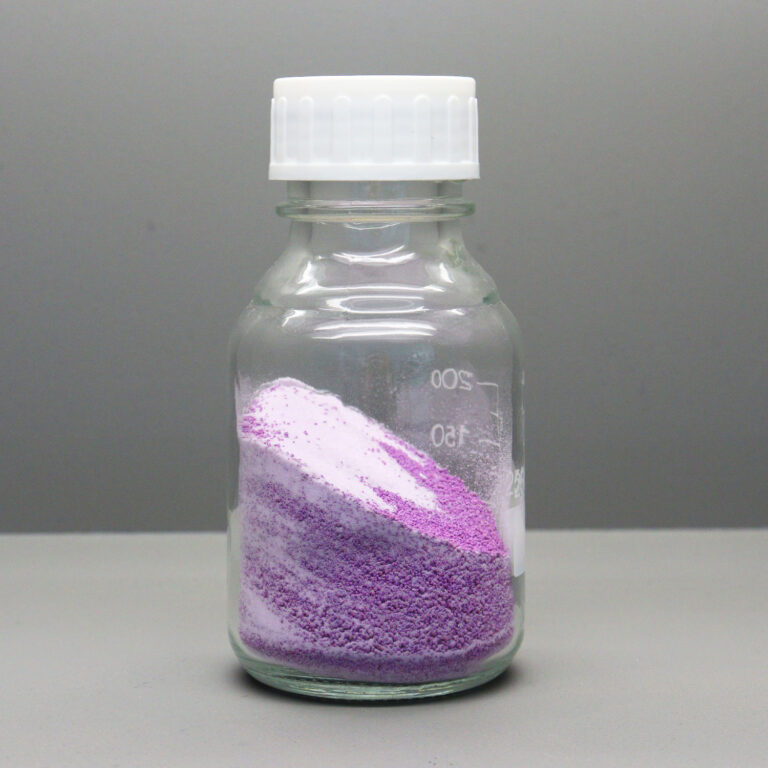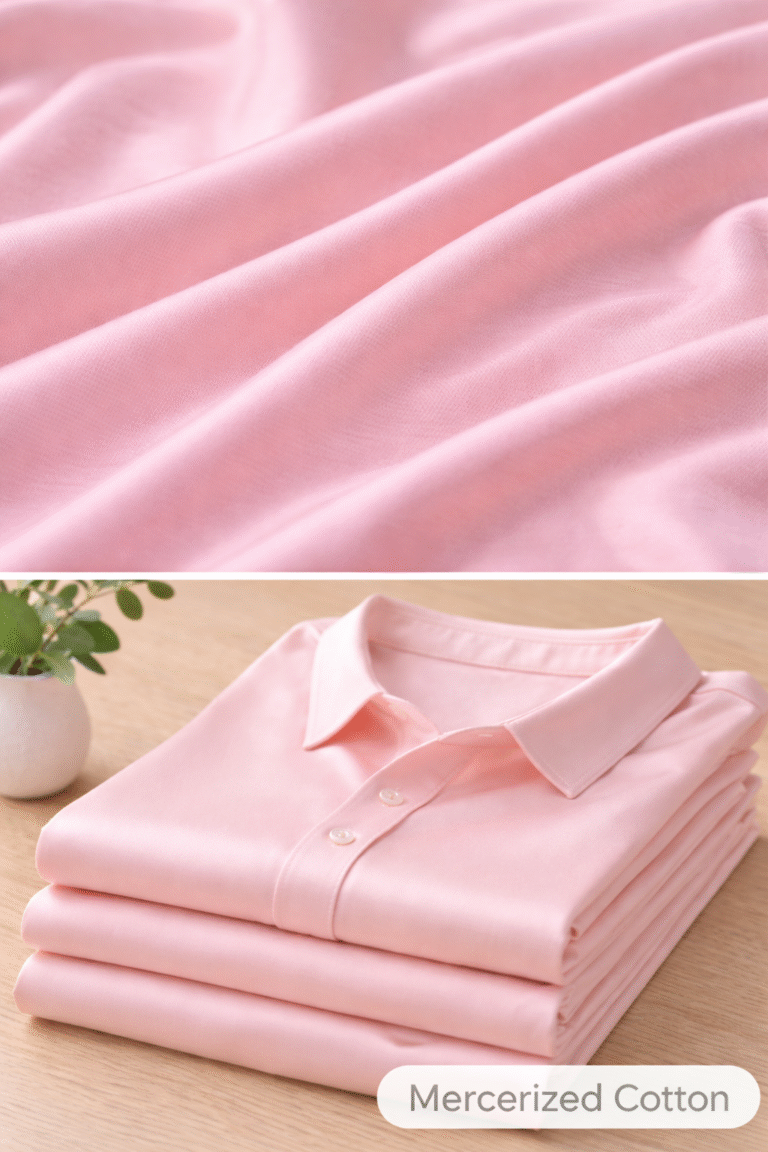
Scouring is a crucial step in cotton textile processing, removing natural oils, waxes, and residual sizing to prepare fibers for dyeing and finishing. However, improper use of scouring agents can negatively affect fabric quality, softness, and absorbency. This guide highlights the most common mistakes and provides tips on how to avoid them for optimal cotton processing results.
1. Using Incorrect Concentration of Scouring Agents
Mistake: Applying too little or too much scouring agent.
- Too Low: Insufficient removal of oils and waxes, resulting in poor absorbency and uneven dyeing.
- Too High: Excessive chemical action can weaken fibers, cause yellowing, or damage delicate cotton fabrics.
Tip: Always follow manufacturer guidelines and perform pilot tests to determine the optimal concentration for each batch.
2. Ignoring Temperature and Time Requirements
Mistake: Skipping proper temperature and treatment duration control.
- Cotton requires specific temperatures and time to allow alkali or enzyme-based scouring agents to effectively remove impurities.
- Too short treatment leads to incomplete scouring; too long can over-process fibers and reduce strength.
Tip: Maintain recommended temperature ranges and monitor process duration carefully for consistent results.
3. Inadequate Fabric-to-Liquor Ratio
Mistake: Using the wrong amount of water or scouring solution relative to fabric weight.
- Low liquor ratio can cause uneven scouring, leaving some fibers untreated.
- Excessive liquor increases water usage and costs without improving performance.
Tip: Calculate and maintain the correct fabric-to-liquor ratio for uniform treatment and cost efficiency.
4. Neglecting Enzymatic Scouring Conditions
Mistake: Improper handling of enzymatic scouring agents.
- Enzymes are highly sensitive to pH, temperature, and mechanical agitation.
- High temperature or harsh alkali can denature enzymes, rendering them ineffective.
Tip: Follow recommended conditions for enzymatic scouring and avoid harsh chemicals that may inactivate enzymes.
5. Skipping Rinse and Neutralization Steps
Mistake: Not thoroughly rinsing or neutralizing fabrics after scouring.
- Residual alkali or enzymes can continue reacting with fibers, causing long-term damage.
- Poor rinsing leads to uneven dyeing and potential skin irritation for consumers.
Tip: Always rinse fabrics thoroughly and neutralize alkalinity when required to ensure safe and uniform fabric quality.
6. Overlooking Fiber Type and Fabric Construction
Mistake: Using a one-size-fits-all approach.
- Different cotton blends, knitwear, or high-density fabrics respond differently to scouring.
- Ignoring fabric type can result in uneven absorbency, shrinkage, or fiber damage.
Tip: Adjust scouring agent type, concentration, and process parameters based on fabric construction and fiber composition.
Conclusion
Proper use of scouring agents is essential to achieve soft, uniform, and dye-ready cotton fabrics. Avoiding common mistakes like incorrect concentration, improper temperature, poor rinsing, and neglect of fabric type ensures optimal fabric quality, absorbency, and performance.
For professional advice and high-quality scouring agents for cotton processing, contact Meixin Biotech at connie.huang@meixinbiotech.com.
Pre-treatment Articles
Top Mistakes to Avoid When Using Scouring Agents in Cotton Processing
How Scouring Agents Improve Fabric Quality and Dyeing Performance
The Role of Scouring Agents in Textile Processing: A Complete Guide