Cotton is one of the most widely used fibers in the textile industry due to its comfort and breathability. However, untreated cotton fabrics can develop fuzz, pills, and an uneven surface over time. Biopolishing, an enzymatic finishing process, has emerged as an eco-friendly and effective solution to enhance the appearance and durability of cotton textiles.
1. What is Biopolishing?
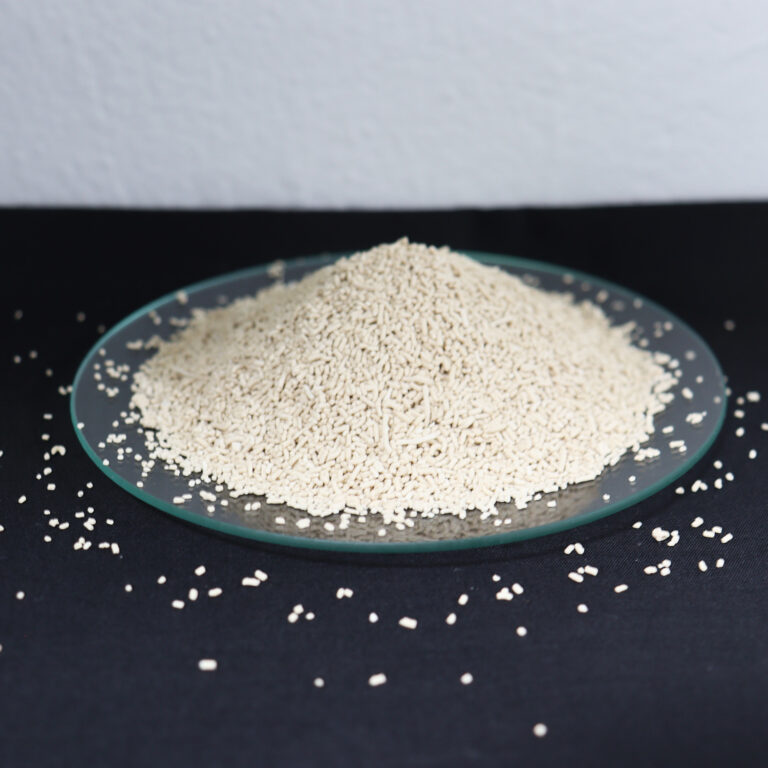
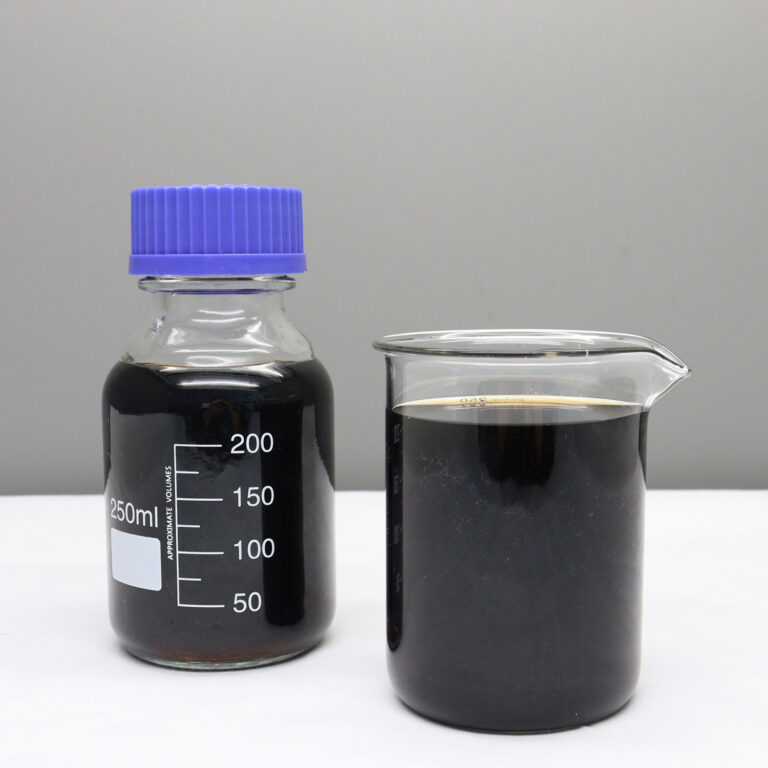
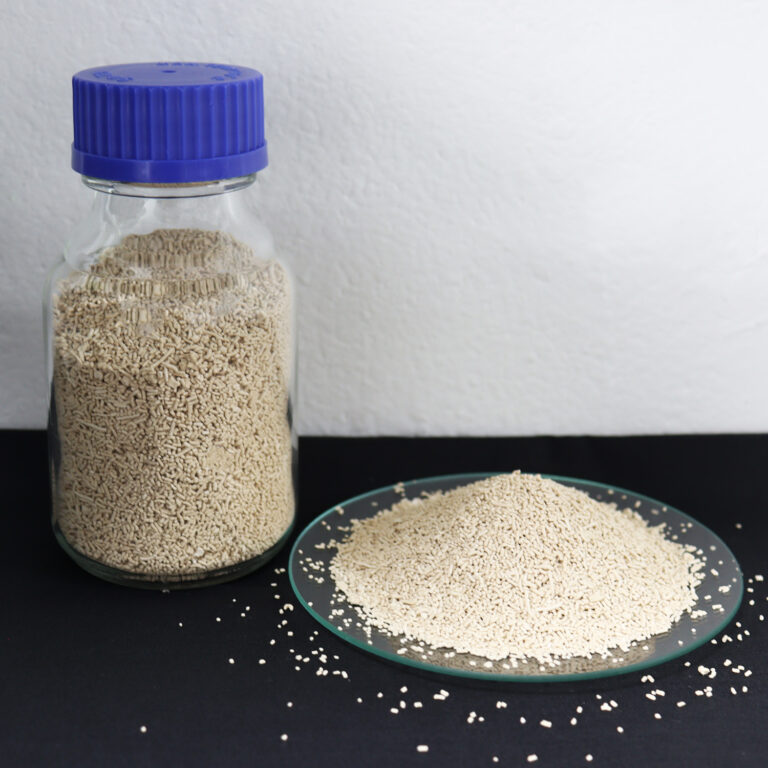
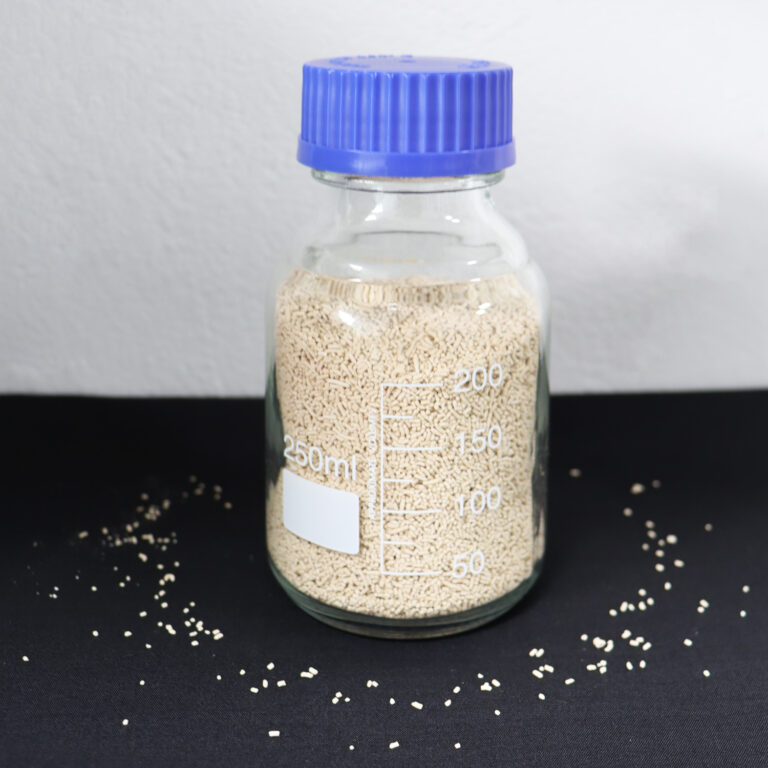
Biopolishing is a controlled enzymatic treatment that removes short fiber ends and protruding fuzz from cotton fabrics. Using specialized cellulase enzymes, this process polishes the fabric surface without compromising the integrity of the main fibers.
- Goal: Reduce pilling, improve smoothness, and enhance luster.
- Eco-Friendly: Uses enzymes instead of harsh chemicals, minimizing environmental impact.
2. How Biopolishing Works
The process involves the following steps:
- Enzymatic Treatment: Cellulase enzymes selectively hydrolyze protruding cellulose fibers on the fabric surface.
- Mechanical Action: Fabrics may undergo mild agitation to assist in removing loosened fibers.
- Rinsing and Neutralization: Enzymes are washed out, leaving a polished, smooth textile.
This targeted removal of surface fibers prevents the formation of pills and fuzz while maintaining the bulk and strength of the fabric.
3. Benefits of Biopolishing
- Smoothness: Fabrics feel softer and more pleasant to the touch.
- Luster: Enzymatic treatment enhances the natural sheen of cotton fibers.
- Pilling Resistance: Reduces fuzz and pills during wear and washing, extending garment life.
- Improved Dyeing and Printing: Smooth fabrics absorb dyes more uniformly for vibrant colors.
- Eco-Friendly Processing: Uses biodegradable enzymes, reducing chemical waste compared to traditional methods.
4. Applications in Cotton Textiles
- Apparel: T-shirts, shirts, and knitwear to maintain softness and appearance.
- Home Textiles: Towels, bed linens, and pillow covers for a polished finish and reduced pilling.
- High-Quality Cotton Blends: Enhances durability and hand-feel of cotton-polyester blends.
5. Best Practices for Biopolishing
- Use enzymes at the recommended concentration and temperature to prevent over-processing.
- Ensure uniform fabric exposure to achieve consistent results.
- Combine with other finishing treatments, like softeners or anti-wrinkle agents, for enhanced textile performance.
Conclusion
Biopolishing of cotton fabrics is a modern, sustainable approach to achieving soft, smooth, lustrous, and pilling-resistant textiles. By integrating enzymatic finishing into cotton processing, manufacturers can enhance fabric quality, longevity, and consumer satisfaction.
For expert advice and enzyme solutions for biopolishing, contact Meixin Biotech at connie.huang@meixinbiotech.com.
Enzyme Preparation Articles
Tips for Choosing the Right Desizing Enzyme for Your Fabric Type
How Desizing Enzymes Revolutionize Cotton Fabric Preparation
Desizing Enzymes: Essential Tools for Cleaner and Softer Fabrics
Enzymatic Desizing of Cotton Fabrics: Improving Dyeing Efficiency and Fabric Softness
The Science of Biopolishing: Enhancing Fabric Quality Through Enzymes
Biopolishing of Cotton Fabrics: Achieving Smooth, Lustrous, and Pilling-Resistant Textiles
The Role of Enzymes and Green Chemistry in Sustainable Textile Processing