In modern textile processing, achieving clean, soft, and dye-ready fabrics is essential for producing high-quality cotton garments. One critical step in preparing cotton fabrics is desizing, the process of removing starch-based sizing agents applied during weaving. These agents provide strength to yarns but can interfere with dye uptake and fabric feel. Desizing enzymes have become indispensable tools for achieving cleaner, softer, and more uniform fabrics in an eco-friendly way.
What Are Desizing Enzymes?
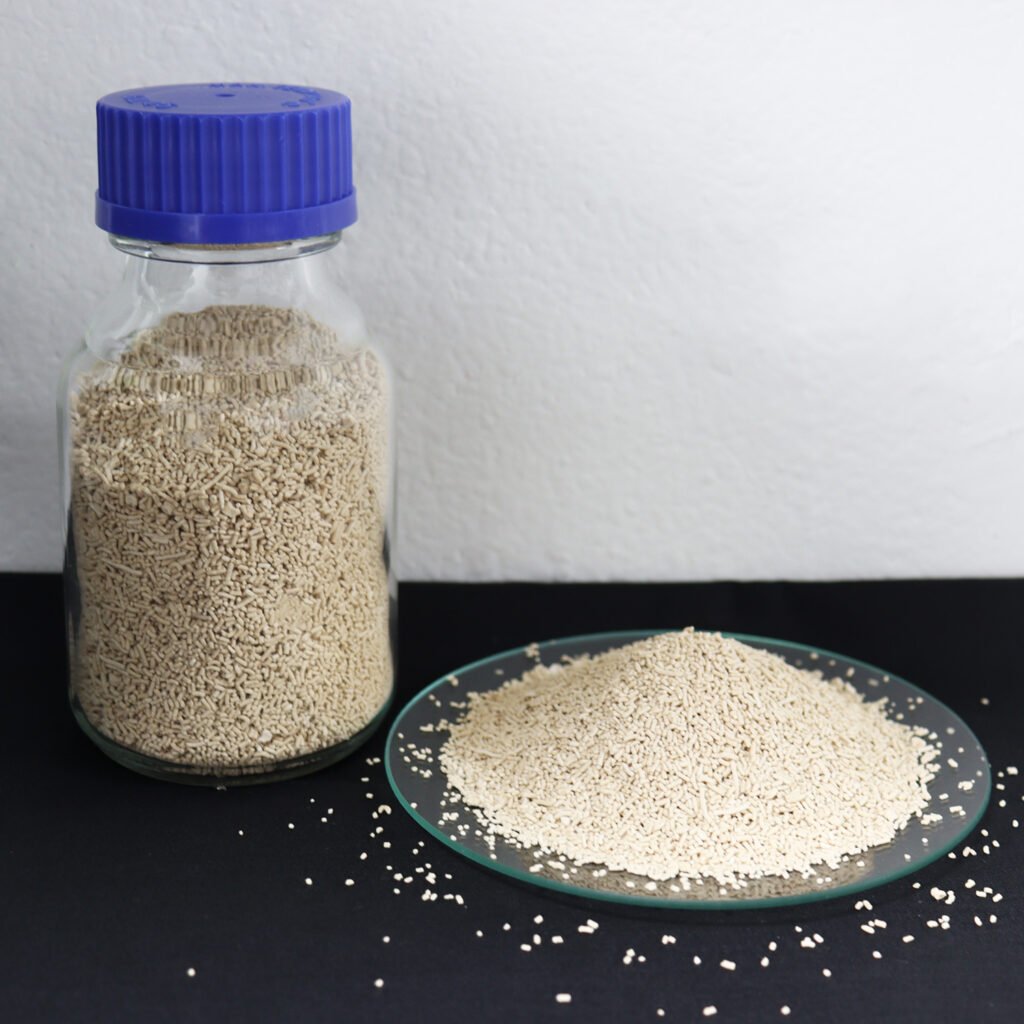
Desizing enzymes are biological catalysts, primarily amylases, that specifically break down starch molecules applied to cotton fabrics during weaving. Unlike traditional chemical desizing methods, enzymatic treatments work under mild conditions—moderate temperatures and near-neutral pH—reducing the risk of fiber damage while ensuring complete removal of sizing agents.
Key Benefits of Using Desizing Enzymes
1. Cleaner Cotton Fabrics
Residual starch can trap dirt, dyes, or finishing chemicals, causing uneven fabric quality. Desizing enzymes ensure complete removal of starch, resulting in a clean surface that is ready for uniform dyeing and finishing.
2. Improved Dyeing Efficiency
When fabrics are properly desized, dyes penetrate fibers more evenly. This leads to:
- Consistent color across the fabric
- Reduced dye consumption and waste
- Better color fastness and overall appearance
3. Enhanced Fabric Softness
Chemical desizing can sometimes leave fibers stiff or rough. Enzymatic desizing is gentle, preserving the natural softness of cotton and improving the handfeel and drape of the fabric.
4. Environmentally Friendly Processing
Enzymatic desizing consumes less water and energy compared to harsh chemical treatments. By producing biodegradable byproducts, it helps textile manufacturers reduce their environmental footprint and meet sustainability goals.
5. Cost-Effective Solution
While enzyme costs may seem higher initially, savings in water, energy, and reduced chemical handling costs often make enzymatic desizing economically advantageous over time.
Best Practices for Enzymatic Desizing
- Control Temperature and pH: Follow enzyme manufacturer guidelines to maintain optimal activity without harming fibers.
- Use Proper Enzyme Dosage: Correct dosing ensures efficient starch removal while protecting fabric integrity.
- Thorough Washing: Rinse thoroughly after desizing to remove degraded starch residues.
- Integrate with Dyeing Process: Enzymatic desizing can be combined with pre-treatment and bleaching steps to optimize production efficiency.
Conclusion
Desizing enzymes are essential for textile processors aiming to achieve cleaner, softer, and dye-ready cotton fabrics. By adopting enzymatic desizing, manufacturers can enhance fabric quality, reduce environmental impact, and improve overall production efficiency. For expert guidance and high-quality desizing enzyme solutions, contact Meixin Biotech at connie.huang@meixinbiotech.com.
Enzyme Preparation Articles
Tips for Choosing the Right Desizing Enzyme for Your Fabric Type
How Desizing Enzymes Revolutionize Cotton Fabric Preparation
Desizing Enzymes: Essential Tools for Cleaner and Softer Fabrics
Enzymatic Desizing of Cotton Fabrics: Improving Dyeing Efficiency and Fabric Softness
The Science of Biopolishing: Enhancing Fabric Quality Through Enzymes
Biopolishing of Cotton Fabrics: Achieving Smooth, Lustrous, and Pilling-Resistant Textiles
The Role of Enzymes and Green Chemistry in Sustainable Textile Processing