Cotton is one of the most widely used natural fibers in the textile industry, valued for its softness, durability, and versatility. However, before cotton fabrics can be dyed or finished, they must undergo a crucial step known as desizing. This process removes starch-based sizing agents applied during weaving to strengthen the yarn. Traditionally, chemical methods were used for desizing, but today, desizing enzymes are revolutionizing fabric preparation by offering cleaner, softer, and more sustainable results.
What Are Desizing Enzymes?
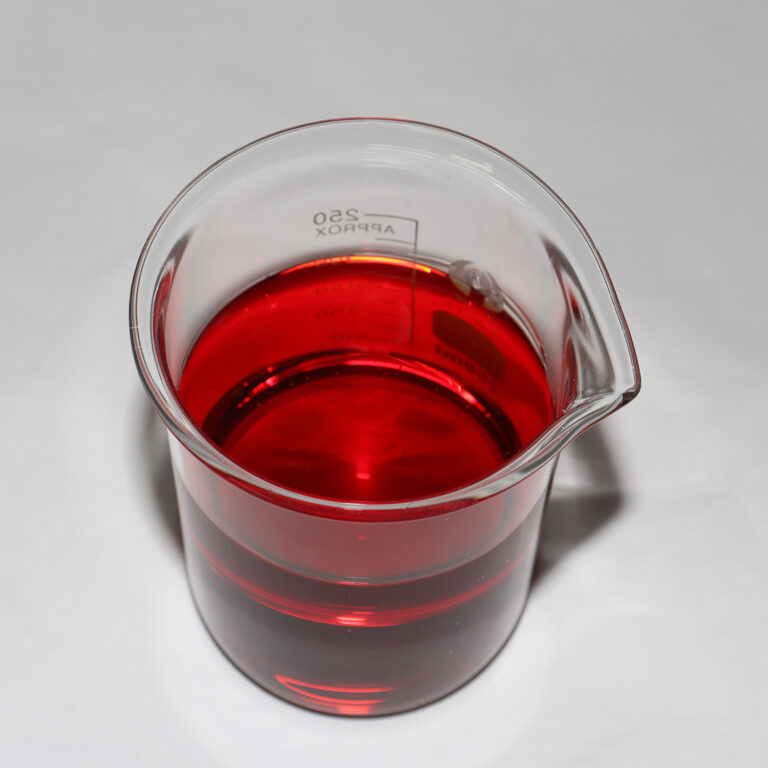
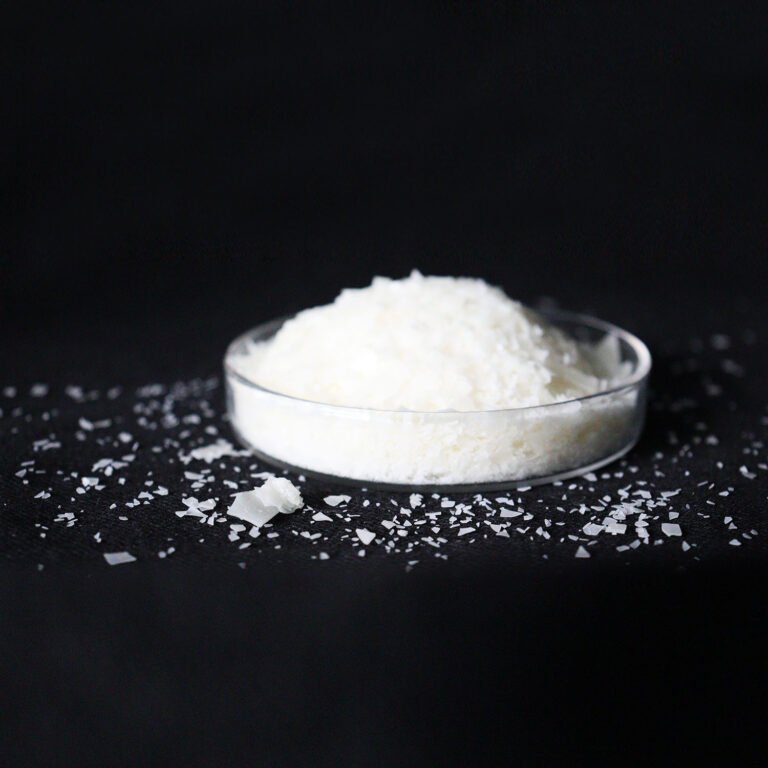
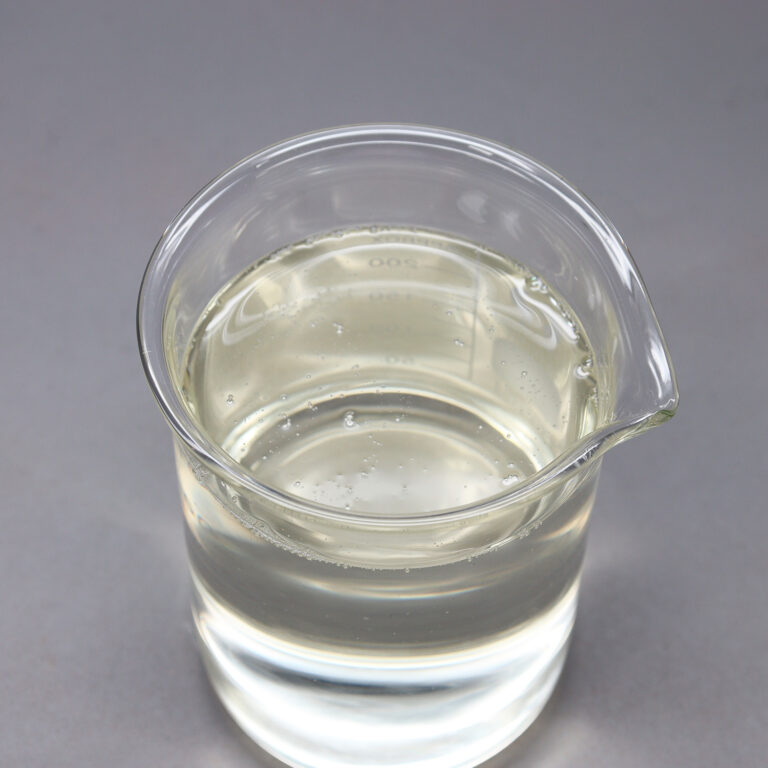
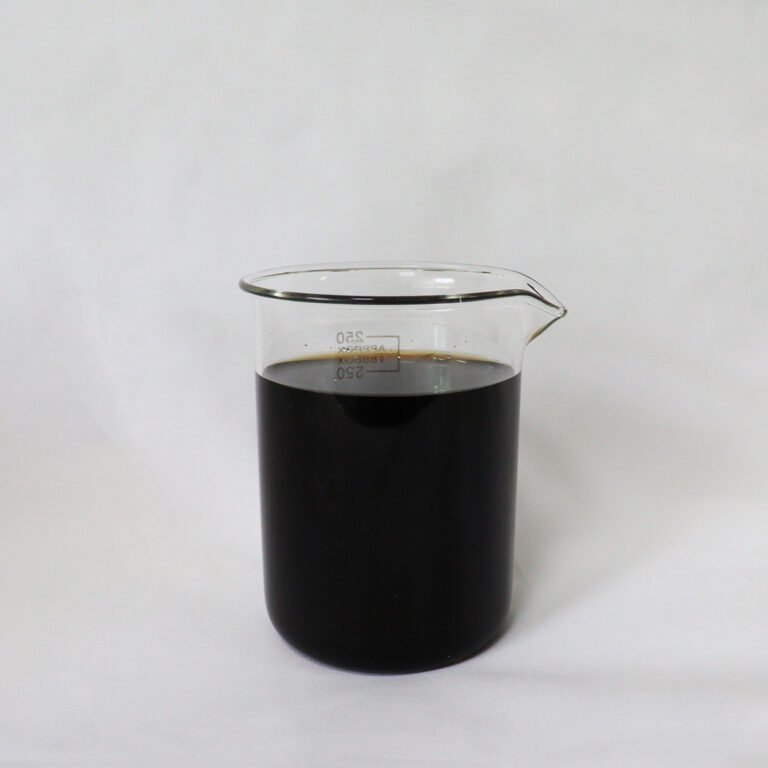
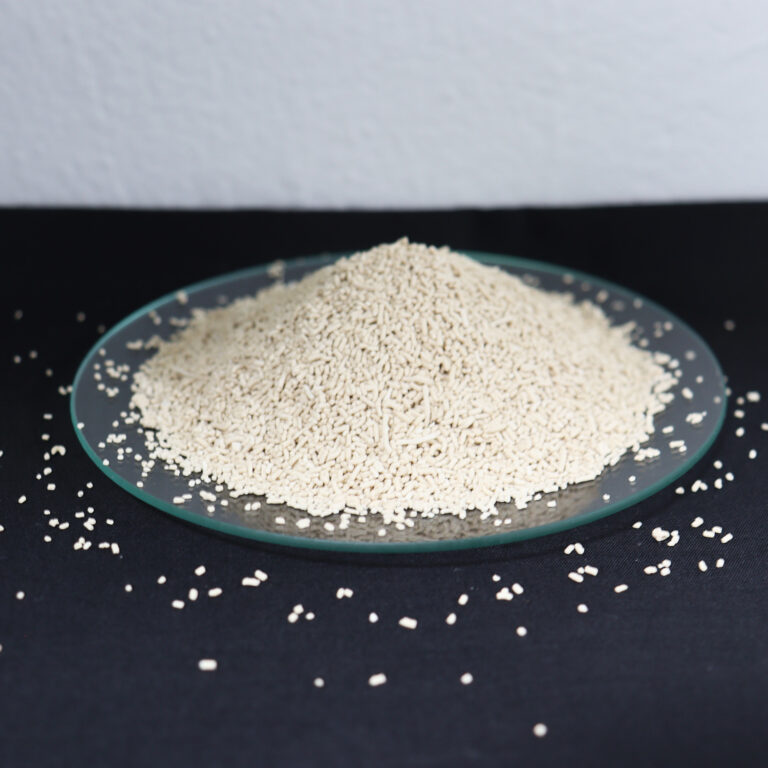
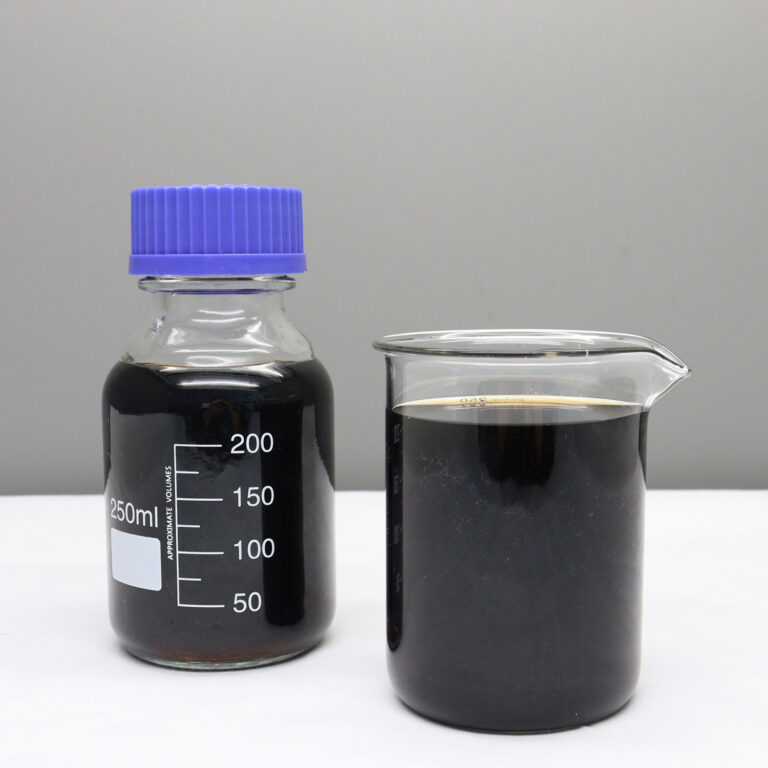
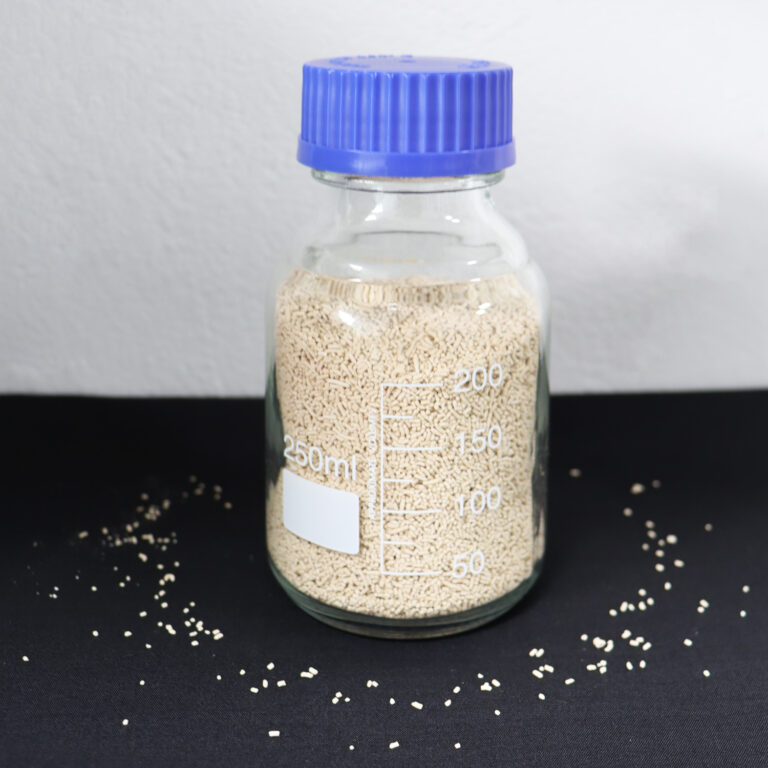
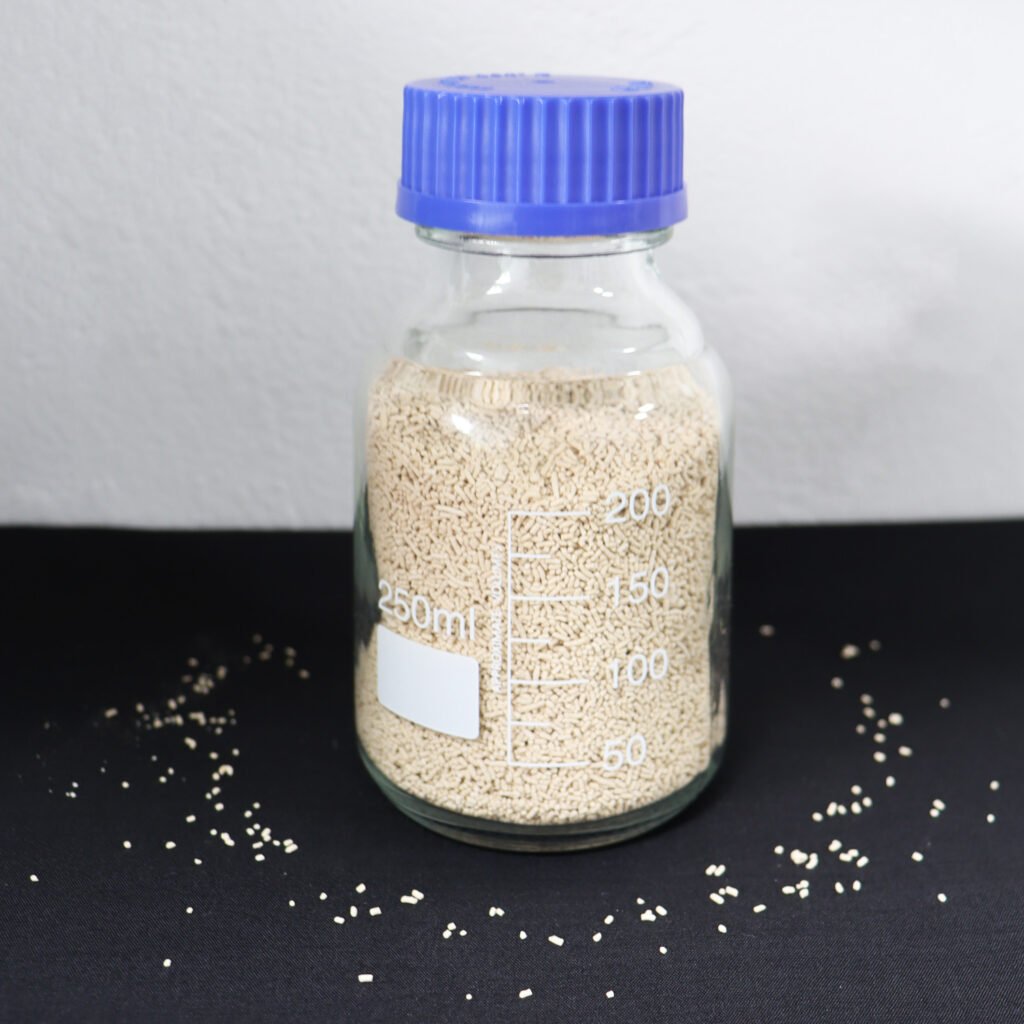
Desizing enzymes, primarily amylases, are biological catalysts that break down starch molecules into soluble fragments, which can then be easily washed away. Unlike harsh chemicals, enzymes act selectively on starch without damaging the cotton fibers. This makes enzymatic desizing both efficient and environmentally friendly.
Why Desizing Is Important in Cotton Processing
Sizing agents serve their purpose during weaving but pose challenges later:
- They interfere with dye penetration, leading to uneven coloring.
- They attract dirt and cause spots or stains.
- They can make fabric stiff and less comfortable.
By removing these agents with enzymes, cotton fabrics are prepared for smooth dyeing, bleaching, and finishing.
How Desizing Enzymes Revolutionize Fabric Preparation
1. Cleaner Fabric Surfaces
Enzymatic desizing ensures the complete removal of starch residues, leaving fabrics free of contaminants. This provides an ideal base for further wet processing steps like scouring, bleaching, and dyeing.
2. Improved Dyeing Efficiency
When fabrics are properly desized, dyes penetrate evenly into the fibers. The result is:
- Vibrant, consistent shades
- Reduced dye wastage
- Enhanced color fastness
3. Enhanced Fabric Softness and Comfort
Unlike chemicals that may damage fibers, desizing enzymes are gentle, preserving the natural feel of cotton. Fabrics treated with enzymes exhibit better softness, drape, and comfort.
4. Eco-Friendly and Sustainable Processing
Enzymatic desizing requires less water, energy, and harsh chemicals compared to conventional methods. Since enzymes are biodegradable, they minimize environmental pollution and align with the textile industry’s move toward greener practices.
5. Cost and Process Efficiency
Although enzyme products may initially seem more costly, they reduce overall expenses by cutting down on water, energy, and chemical use. They also shorten processing time when integrated with other textile preparation steps.
Best Practices for Using Desizing Enzymes
- Maintain Proper Temperature and pH: Enzymes work best under specific conditions—check supplier recommendations.
- Use Correct Dosage: Balanced dosing ensures complete desizing while protecting fibers.
- Rinse Thoroughly: Adequate washing after desizing helps eliminate all broken-down starch particles.
- Integrate with Pretreatment: Enzymatic desizing can be combined with scouring and bleaching for streamlined processing.
Conclusion
Desizing enzymes are revolutionizing cotton fabric preparation by providing cleaner fabrics, enhancing dyeing performance, preserving softness, and promoting sustainable practices. For textile manufacturers looking to improve efficiency and product quality while reducing environmental impact, enzymatic desizing is the ideal solution.
For more information or to explore high-quality desizing enzyme solutions, contact Meixin Biotech at connie.huang@meixinbiotech.com.
Enzyme Preparation Articles
Tips for Choosing the Right Desizing Enzyme for Your Fabric Type
How Desizing Enzymes Revolutionize Cotton Fabric Preparation
Desizing Enzymes: Essential Tools for Cleaner and Softer Fabrics
Enzymatic Desizing of Cotton Fabrics: Improving Dyeing Efficiency and Fabric Softness
The Science of Biopolishing: Enhancing Fabric Quality Through Enzymes
Biopolishing of Cotton Fabrics: Achieving Smooth, Lustrous, and Pilling-Resistant Textiles
The Role of Enzymes and Green Chemistry in Sustainable Textile Processing