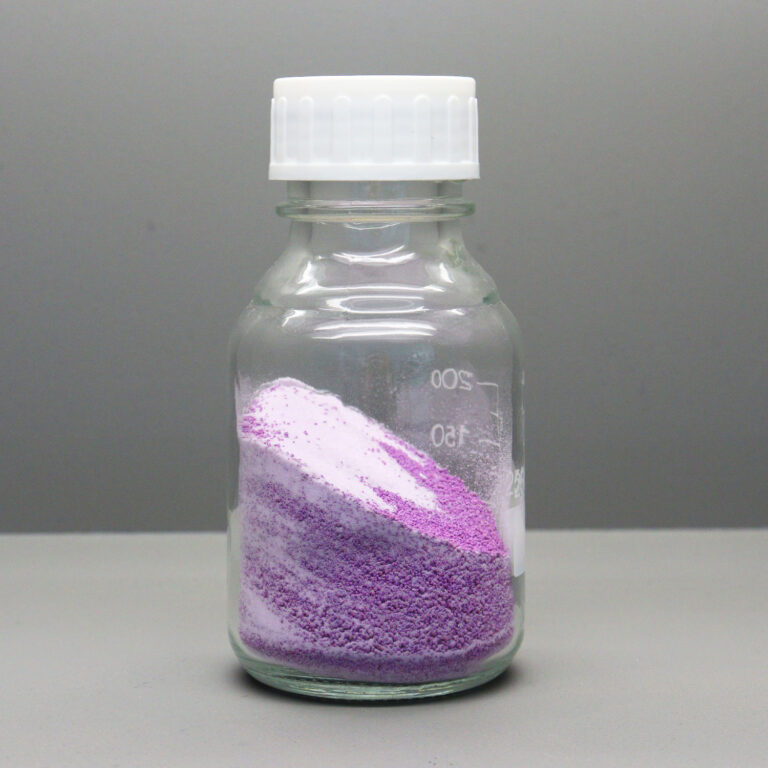
Permethrin treated clothing is widely used around the world for insect protection, but safety is often a key concern for consumers and brands alike. When properly manufactured and used as intended, permethrin-treated textiles are generally considered safe for humans, skin contact, and everyday wear. However, understanding how permethrin behaves in different contexts is essential.
Safety for Humans
Permethrin has been extensively studied and approved for use in textiles by multiple international regulatory bodies when applied at controlled levels. In permethrin treated clothing, the active ingredient is bonded to fabric fibers, not designed to be absorbed through the skin in significant amounts.
Unlike topical insect repellents, which are applied directly to the skin, permethrin-treated garments act as a contact repellent on the fabric surface. This significantly reduces direct exposure while still providing effective insect protection. As a result, such clothing is commonly used by outdoor workers, travelers, and even military personnel.
Skin Contact and Sensitivity
For most people, permethrin treated clothing is skin-friendly and non-irritating. The treatment is odorless, invisible, and does not affect fabric breathability or comfort. Because the chemical is fixed within the textile structure, skin contact is minimal compared to sprays or lotions.
That said, individuals with extremely sensitive skin may wish to wash new garments before first use, which is a common recommendation for all functional textiles. Reputable manufacturers carefully control dosage and fixation to ensure compliance with safety standards.
Safety Around Pets
This is where distinction is important.
- For dogs, permethrin is commonly used in veterinary flea and tick treatments and is generally considered safe when used correctly.
- For cats, however, permethrin can be toxic if directly applied, as cats lack the enzymes needed to break it down.
That said, permethrin treated clothing is not intended for pets, and normal human wear does not pose a risk to animals when garments are used properly. Problems typically arise only from direct exposure to liquid permethrin products, not finished textiles.
To be cautious, avoid allowing pets—especially cats—to chew on or sleep on treated clothing.
Environmental and Use Considerations
Modern textile processing focuses on low-dosage application, strong fiber binding, and wash durability, which helps reduce environmental release during laundering. High-quality textile chemical solutions ensure that permethrin remains effective on the fabric while minimizing unnecessary exposure.
Conclusion
When manufactured and used correctly, permethrin treated clothing is widely recognized as a safe and effective solution for insect protection. By bonding permethrin to textile fibers rather than applying it directly to the skin, these garments minimize human exposure while delivering long-lasting performance. For most users, they are comfortable, skin-friendly, and suitable for regular wear.
While special care should be taken around pets—particularly cats—normal use of treated clothing does not pose a risk when basic precautions are followed. Ultimately, the safety of permethrin treated textiles depends on responsible formulation, precise application, and adherence to recognized textile and regulatory standards. When these factors are in place, permethrin treated clothing offers a reliable balance of protection, comfort, and peace of mind.
For technical inquiries or collaboration opportunities, Meixin can be reached at connie.huang@meixinbiotech.com.
Permethrin Articles
Permethrin Treated Clothing: What It Is, Benefits & How It Works
Is Permethrin Treated Clothing Safe? (Humans, Skin & Pets)