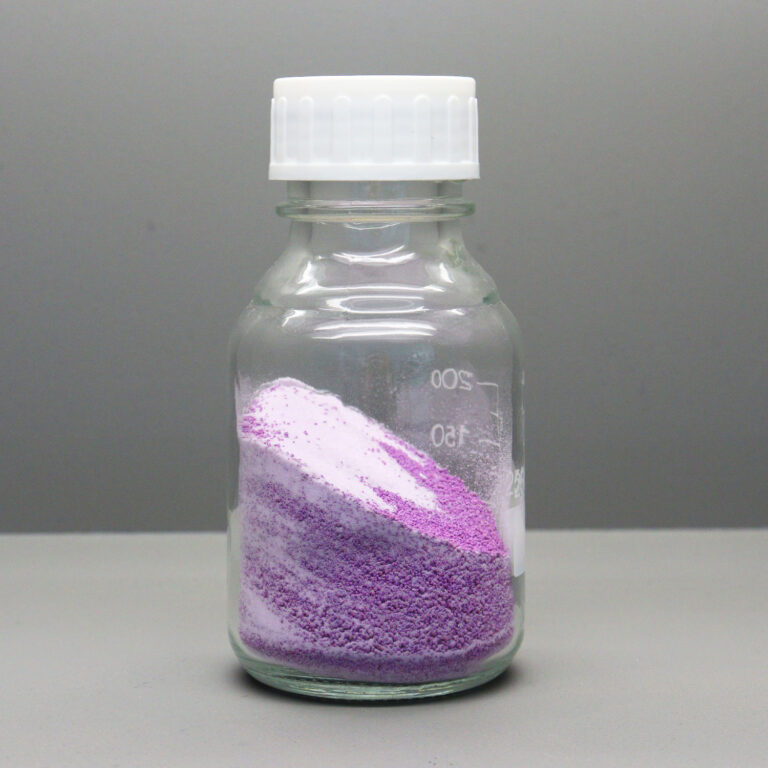
Textile pretreatment, or preparatory processing, is the first essential step in fabric production. Its main goal is to remove impurities, enhance fiber absorbency, and prepare textiles for dyeing, printing, or functional finishing. Proper pretreatment ensures high-quality, uniform results and improves the durability of any subsequent treatment, including functional chemicals like permethrin.
Key Pretreatment Steps
| Step | Purpose | Typical Method / Chemicals |
|---|---|---|
| Singeing | Remove protruding fibers, prevent pilling | Gas flame, copper roller, or heat plates |
| Desizing | Remove sizing agents from weaving | Enzymatic, acid, or alkaline treatment |
| Scouring | Eliminate natural and added impurities; improve absorbency | Hot alkaline solutions, detergents, wetting agents |
| Bleaching | Achieve uniform whiteness, enhance dye uptake | Hydrogen peroxide, sodium hypochlorite, or peracetic acid |
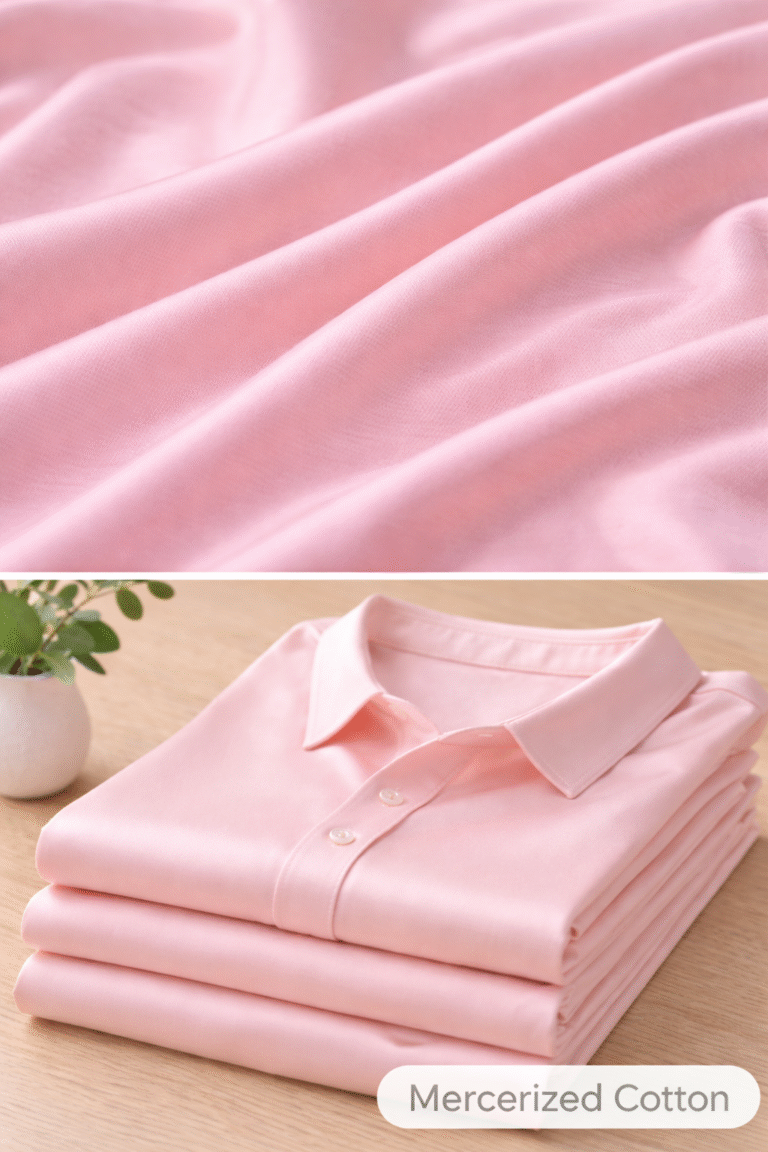
| Mercerization (optional) | Enhance luster, strength, and dye affinity (cotton) | Alkali treatment with NaOH under tension |
| Washing / Rinsing | Remove residual chemicals | Hot or cold water, multiple rinses |
| Drying / Relaxing | Prepare fabric for finishing or functional treatment | Stenter frame, tentering, or air drying |
Why Pretreatment Matters
- Uniform Dyeing & Printing: Prevents streaks or uneven color.
- Effective Finishing: Ensures functional treatments like water repellency, flame retardancy, or insect repellents bond properly.
- Enhanced Fabric Quality: Strengthens fibers, reduces shrinkage, and prolongs garment life.
- Efficiency & Sustainability: Proper pretreatment reduces chemical and water usage and improves fixation in later processes.
Special Considerations
- Fiber Type: Cotton, wool, silk, polyester, or blended fabrics require different chemicals and temperatures.
- Functional Textiles: Pretreatment is critical for advanced applications like permethrin-treated clothing, ensuring chemical adhesion and wash durability.
- Eco-Friendly Practices: Modern methods use enzymes, lower temperatures, and optimized water usage to minimize environmental impact.
Conclusion
Textile pretreatment is the foundation of high-quality fabric processing. By carefully preparing fibers, manufacturers can ensure consistent dyeing, reliable finishing, and durable functional treatments. For companies seeking functional textile solutions or technical support, professionals like Meixin Biotech provide expertise in textile auxiliaries and chemical treatments.
For inquiries or technical assistance, contact: connie.huang@meixinbiotech.com.