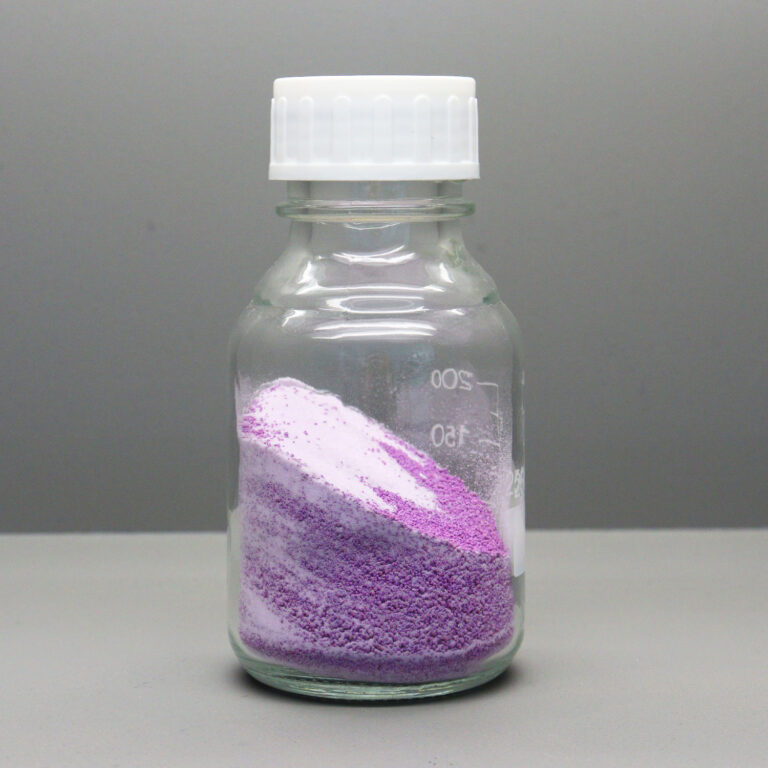
Sequestering agents, also known as chelating agents, are essential chemicals used in textile processing, water treatment, cleaning products, and other industries. They work by binding metal ions, such as calcium, magnesium, iron, and copper, which can otherwise interfere with chemical reactions or cause undesirable deposits. Selecting the right sequestering agent is crucial to ensure product performance, process efficiency, and environmental safety.
What Is a Sequestering Agent?
A sequestering agent forms stable complexes with metal ions, preventing them from:
- Interfering with dye uptake in textiles
- Forming scale or deposits on equipment
- Reducing the efficacy of soaps, detergents, or bleaches
Common sequestering agents include EDTA, NTA, citric acid, phosphonates, and polycarboxylates. Each has specific properties and applications.
Factors to Consider When Choosing a Sequestering Agent
| Factor | Consideration | Examples / Notes |
|---|---|---|
| Metal Ions to Target | Identify which ions are present and at what concentration | Hard water: Ca²⁺, Mg²⁺; Iron-rich water: Fe³⁺ |
| Application Temperature & pH | Ensure the agent remains effective under processing conditions | EDTA stable across wide pH; phosphonates perform better in alkaline environments |
| Compatibility with Other Chemicals | Check interactions with dyes, detergents, or bleaching agents | Avoid agents that react with bleaching peroxide or reactive dyes |
| Environmental Impact | Consider biodegradability and regulatory restrictions | Citric acid and some polycarboxylates are more eco-friendly than EDTA or NTA |
| Cost & Availability | Optimize for production scale and budget | EDTA widely available; newer biodegradable agents may cost more |
| Required Concentration & Efficiency | Evaluate metal-binding capacity | Some agents require lower doses to achieve the same effect |
| Intended Industry Use | Textile, water treatment, cleaning, or industrial applications | Textile finishing may prioritize color fastness and fabric compatibility |
Common Sequestering Agents in Textile Applications
| Sequestering Agent | Key Characteristics | Advantages in Textile Processing | Typical Applications |
|---|---|---|---|
| EDTA (Ethylenediaminetetraacetic Acid) | Strong chelating ability; stable across wide pH range | Excellent metal ion control; prevents iron-catalyzed dyeing and bleaching defects | Dyeing, bleaching, washing processes |
| Citric Acid | Biodegradable; mild chelating power | Eco-friendly; suitable for light to medium water hardness | Pretreatment, washing, sustainable textile processing |
| Phosphonates | Highly effective under alkaline and high-temperature conditions | Low dosage required; strong scale inhibition | Peroxide bleaching, continuous dyeing systems |
| Polycarboxylates | Biodegradable; strong dispersing and anti-scaling properties | Good environmental profile; compatible with modern textile auxiliaries | Dyeing, finishing, sustainable production lines |
| NTA (Nitrilotriacetic Acid) | Moderate to strong chelation; good water softening | Cost-effective alternative to EDTA | Washing and pretreatment processes |
Tips for Selection
- Analyze Water Hardness: Test for calcium, magnesium, and iron levels before choosing an agent.
- Match Agent to Process Conditions: pH, temperature, and chemical interactions affect performance.
- Consider Sustainability: Biodegradable and eco-friendly options help meet environmental standards.
- Evaluate Cost vs. Efficiency: Sometimes a slightly more expensive agent reduces overall chemical consumption.
- Test on Small Scale: Always trial new agents on sample fabrics or water systems before full-scale use.
Conclusion
Choosing the right sequestering agent is essential for consistent textile quality, process efficiency, and environmental compliance. Understanding the type of metal ions, operating conditions, and compatibility with other chemicals will help you select the most suitable agent. For professional textile applications, companies like Meixin Biotech, with over 20 years of experience in textile auxiliaries, can provide technical guidance and high-performance sequestering solutions.
For inquiries or technical support, contact: connie.huang@meixinbiotech.com.