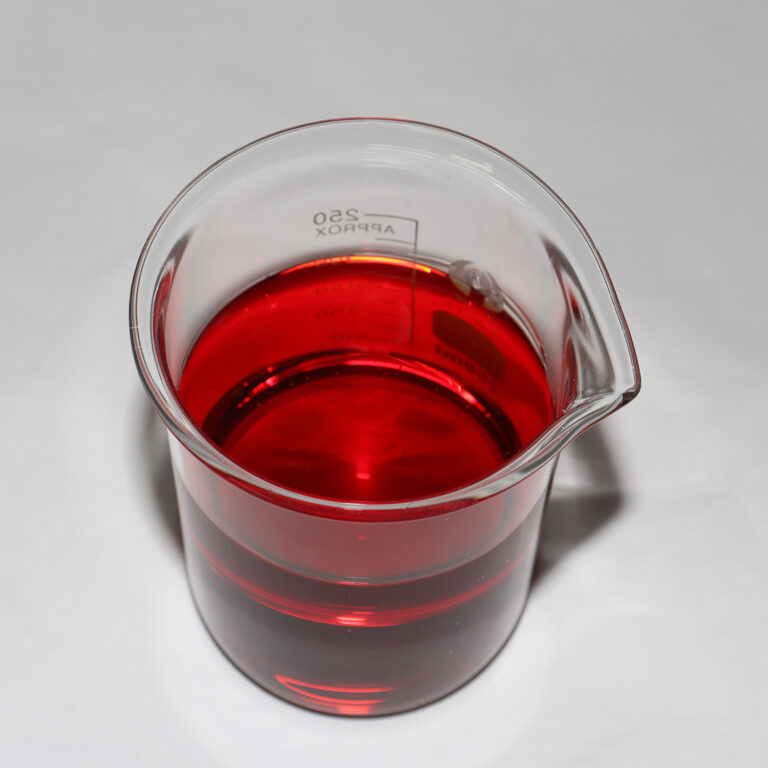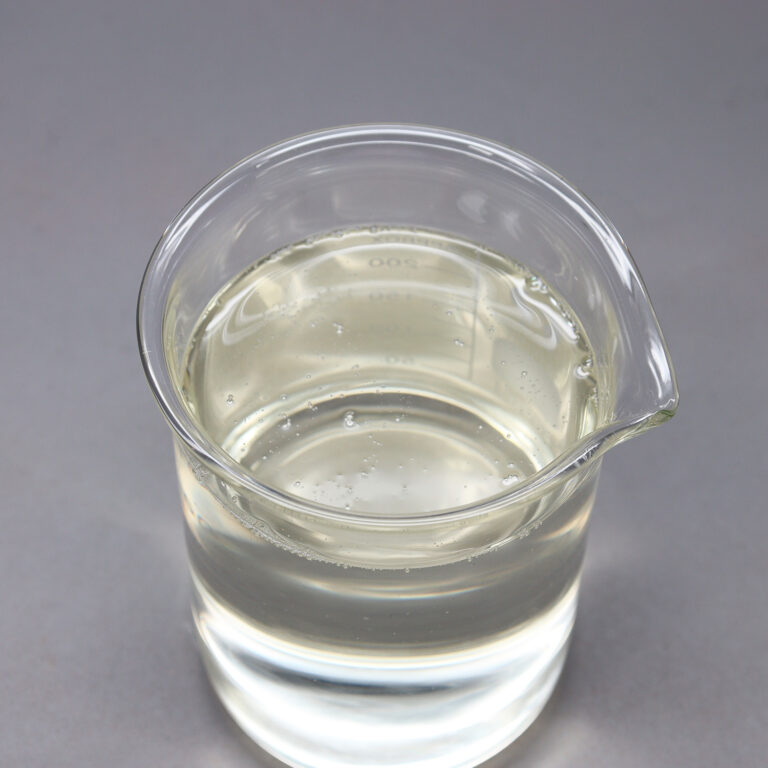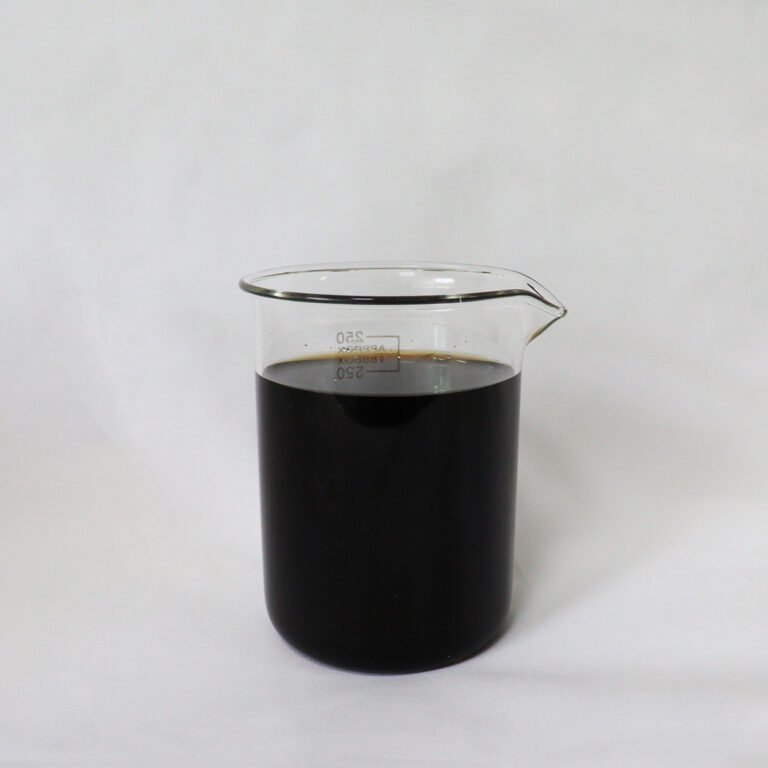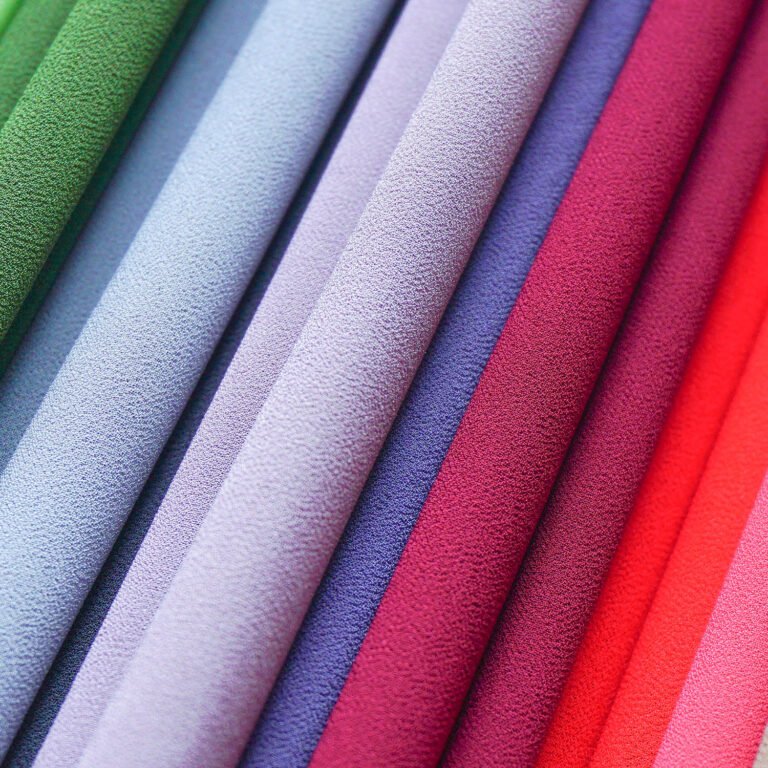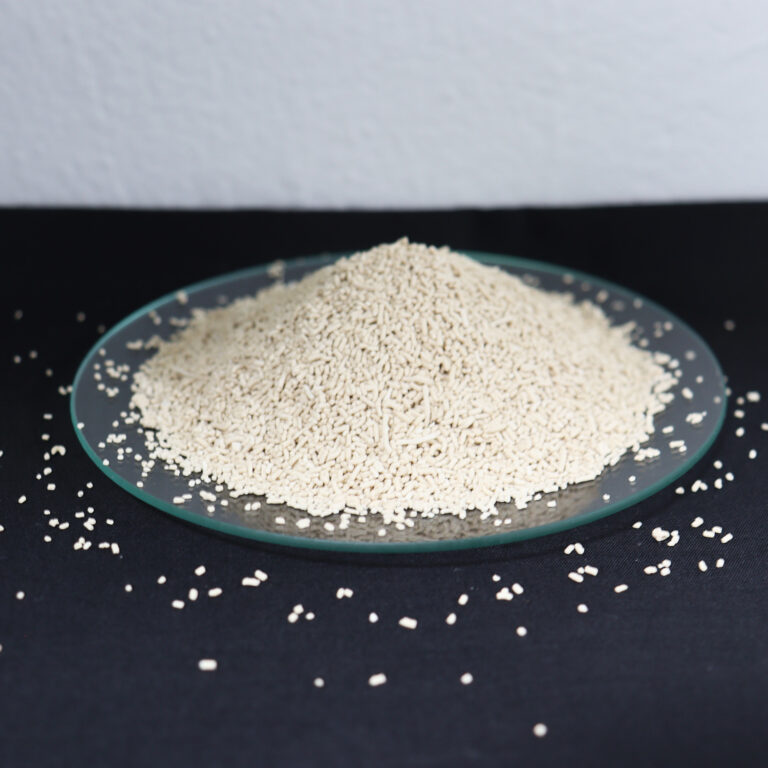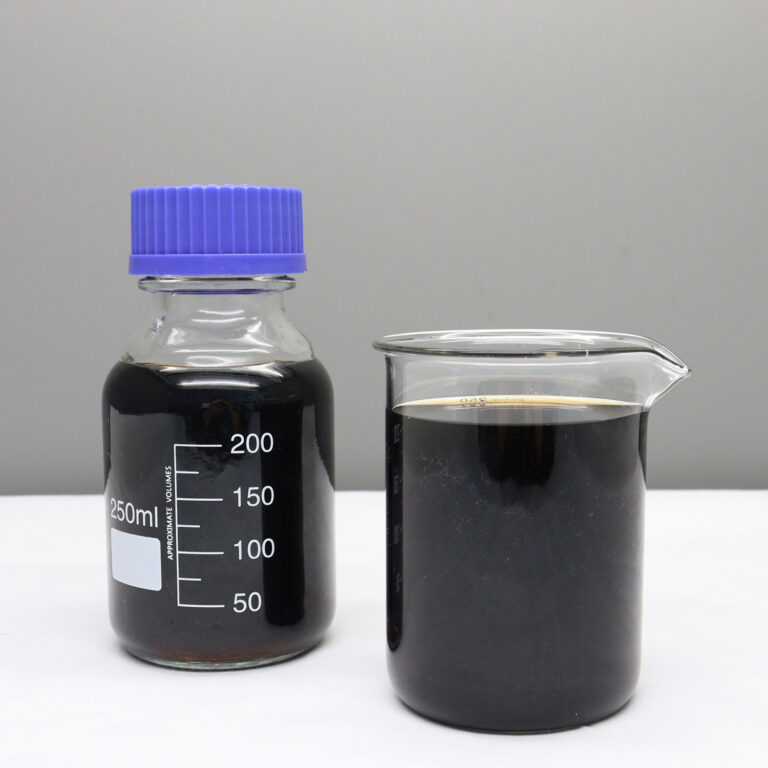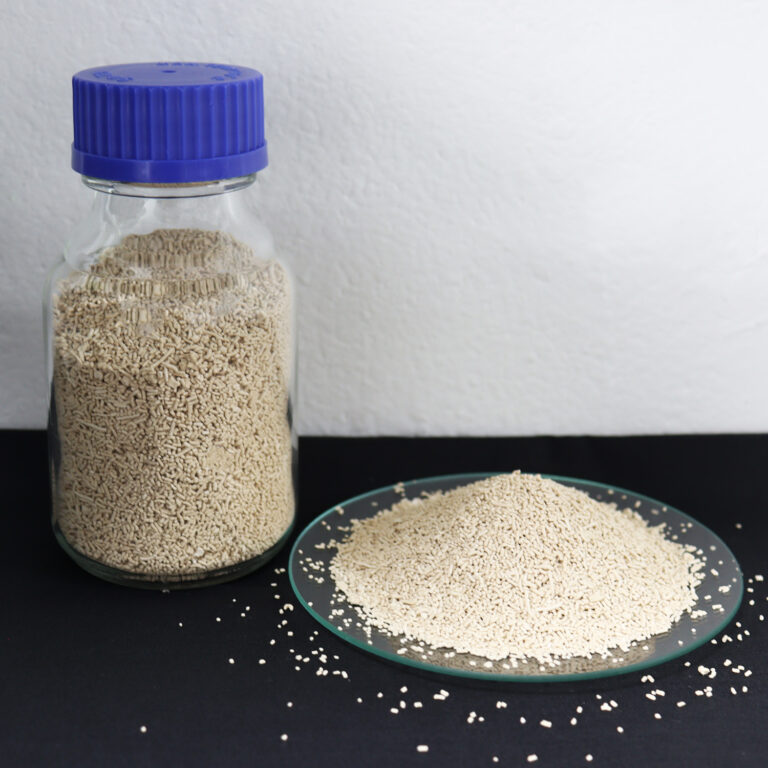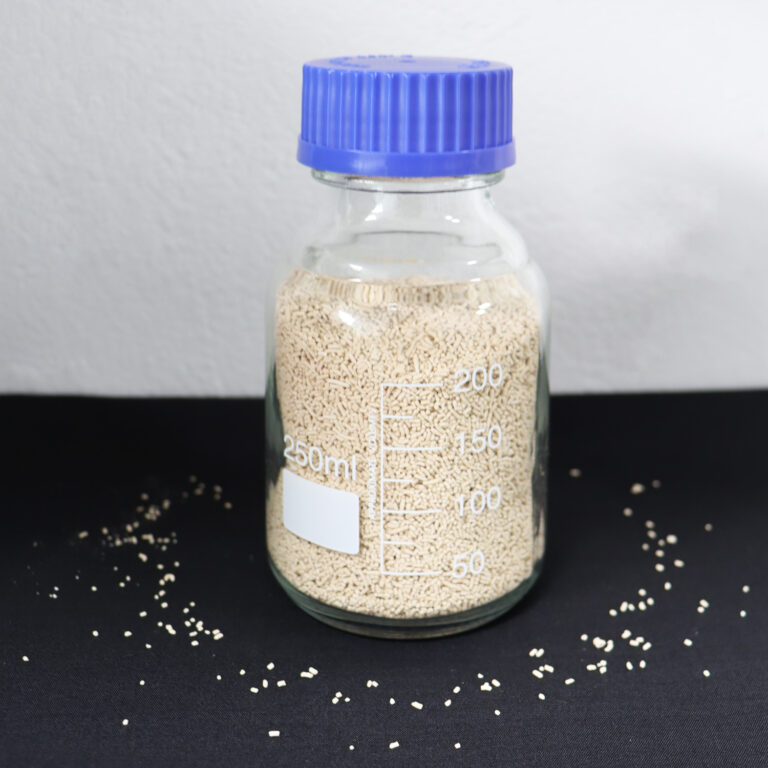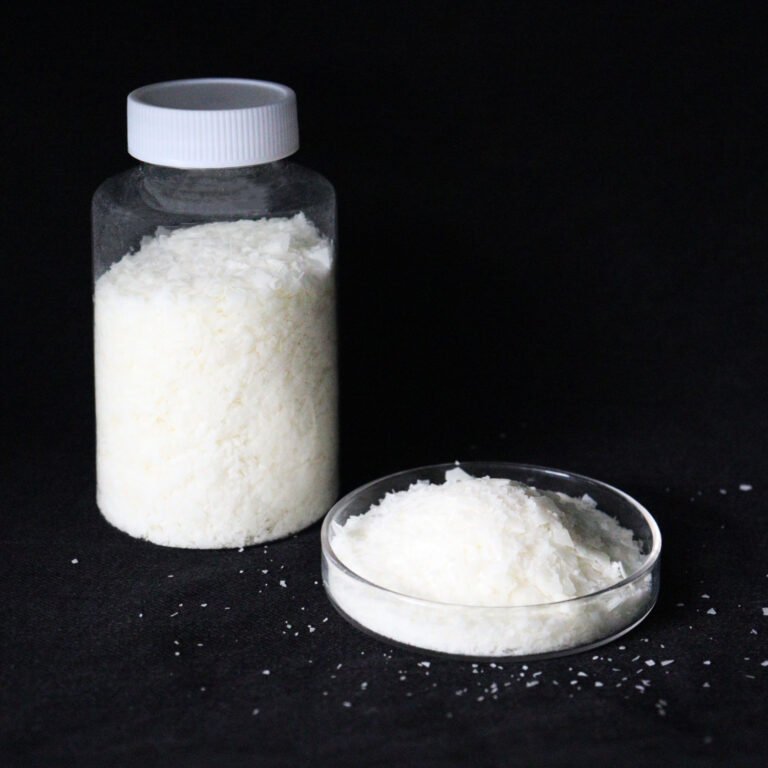
Textile auxiliary chemicals are essential components in modern textile manufacturing. Unlike dyes that provide color, textile auxiliaries are mainly used to improve processing efficiency, fabric quality, and final product performance.
During textile production, auxiliary chemicals are applied in various stages, including fiber preparation, pretreatment, dyeing, printing, and finishing. They help achieve better dye penetration, improved color fastness, enhanced fabric softness, and specialized textile properties.
Depending on their functions, textile auxiliary chemicals can be classified into several categories, such as wetting agents, scouring agents, leveling agents, fixing agents, softeners, and finishing auxiliaries.
What Are Textile Auxiliary Chemicals?
Textile auxiliary chemicals are specialty chemicals added during textile processing to improve the effectiveness of manufacturing operations. They usually do not contribute color directly but help optimize chemical reactions, improve fabric properties, and ensure consistent production quality.
The main roles of textile auxiliary chemicals include:
- Improving fiber wetting and chemical penetration
- Removing impurities before dyeing
- Enhancing dye absorption and color uniformity
- Improving color fastness
- Providing softness and functional properties
- Increasing production efficiency
Main Types of Textile Auxiliary Chemicals
| Type of Textile Auxiliary Chemical | Main Function | Application Stage |
|---|---|---|
| Wetting Agents | Improve water penetration and chemical absorption | Pretreatment, dyeing |
| Scouring Agents | Remove oils, waxes, and impurities | Pretreatment |
| Leveling Agents | Ensure even dye distribution | Dyeing |
| Fixing Agents | Improve color fastness | Post-dyeing |
| Softeners | Enhance fabric hand feel | Finishing |
| Defoamers | Control foam formation | Dyeing and finishing |
| Dispersing Agents | Improve dye dispersion and stability | Dyeing |
| Sequestering Agents | Control metal ions and improve processing stability | Pretreatment, dyeing |
Wetting Agents: Improving Chemical Penetration
Wetting agents reduce the surface tension of water and help chemicals penetrate fibers more effectively.
Functions:
- Improve fabric absorbency
- Accelerate chemical penetration
- Ensure uniform processing
Applications:
- Cotton pretreatment
- Fabric scouring
- Dyeing preparation
Wetting agents are especially important for fabrics that require fast and even chemical absorption.
Scouring Agents: Removing Fabric Impurities
Natural fibers often contain oils, waxes, and other impurities that can affect dyeing performance. Scouring agents help clean fibers and prepare them for subsequent processes.
Functions:
- Remove oils and waxes
- Improve fabric whiteness
- Enhance dye uptake
Applications:
- Cotton fabrics
- Linen textiles
- Cellulose fibers

Leveling Agents: Achieving Uniform Dyeing
Leveling agents help dyes distribute evenly throughout fabrics, preventing uneven shades and improving color consistency.
Functions:
- Control dye absorption rate
- Prevent uneven coloration
- Improve dyeing quality
Applications:
| Fiber Type | Common Use |
|---|---|
| Cotton | Reactive dyeing |
| Polyester | Disperse dyeing |
| Nylon | Acid dyeing |
Fixing Agents: Improving Color Fastness
After dyeing, fixing agents are used to strengthen the connection between dyes and fibers.
Benefits:
- Improve washing fastness
- Reduce color fading
- Maintain fabric appearance
Applications:
- Garments
- Towels
- Bedding
- Fashion textiles
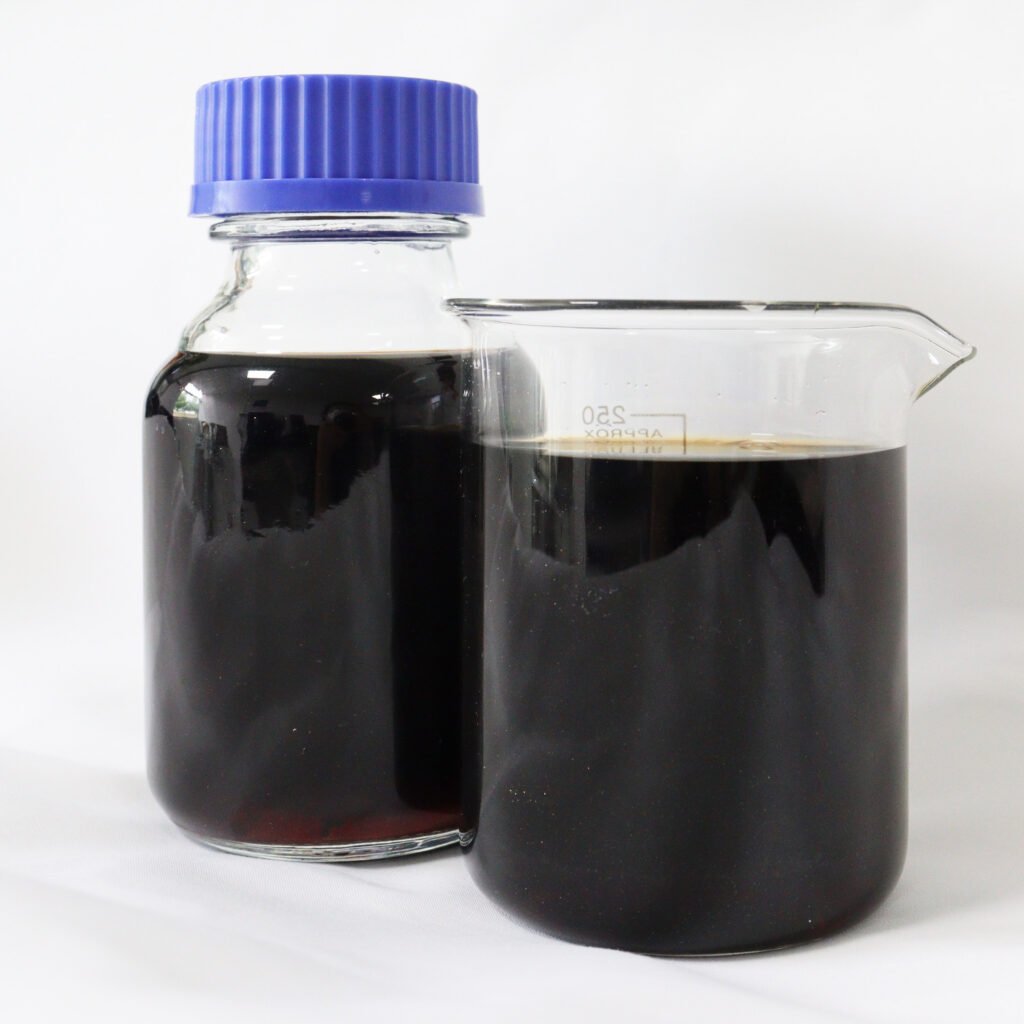
Textile Softeners: Enhancing Fabric Feel
Softeners are finishing chemicals designed to improve the softness, smoothness, and comfort of fabrics.
Functions:
- Improve hand feel
- Reduce fabric friction
- Enhance wearing comfort
Applications:
- Clothing
- Home textiles
- Baby fabrics
- Knitted fabrics
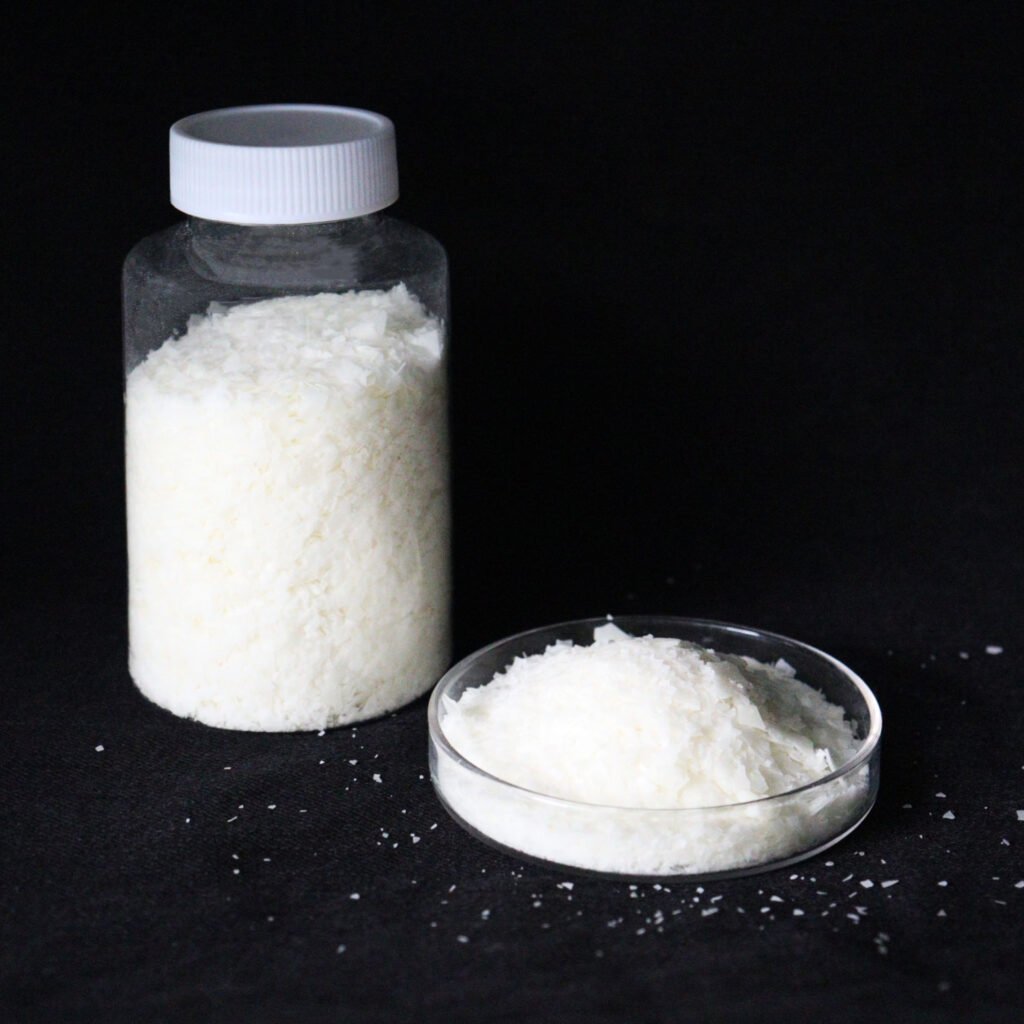
Defoamers: Controlling Foam During Processing
Foam formation can affect textile production efficiency and product quality. Defoamers help control excessive foam during wet processing.
Applications:
- Dyeing processes
- Finishing operations
- Continuous textile production
Dispersing Agents: Improving Dye Stability
Dispersing agents help maintain uniform dye particles in dyeing solutions, especially when processing synthetic fibers.
Functions:
- Prevent dye aggregation
- Improve dye distribution
- Enhance dyeing stability
Applications:
- Polyester dyeing
- Synthetic textile production
Textile Auxiliary Chemicals in Dyeing and Finishing Processes
| Textile Process | Common Auxiliary Chemicals | Purpose |
|---|---|---|
| Pretreatment | Wetting agents, scouring agents, sequestering agents | Clean and prepare fibers |
| Dyeing | Leveling agents, dispersing agents, fixing agents | Improve color quality |
| Printing | Thickeners, binders, washing agents | Improve printing performance |
| Finishing | Softeners, functional finishing agents | Add special properties |
How Textile Auxiliary Chemicals Improve Fabric Performance
The proper use of textile auxiliary chemicals helps manufacturers achieve:
Better Color Quality
Auxiliaries improve dye absorption and color uniformity.
Higher Fabric Comfort
Softeners and finishing chemicals create smoother and softer fabrics.
Improved Durability
Fixing agents and finishing chemicals enhance resistance to washing and wear.
More Efficient Production
Processing auxiliaries reduce defects and improve manufacturing consistency.
Conclusion
Textile auxiliary chemicals play a critical role in modern textile dyeing and finishing processes. Although they do not directly provide color, they significantly influence dyeing efficiency, fabric quality, and final textile performance.
From wetting agents and scouring agents to leveling agents, fixing agents, and softeners, each type of textile auxiliary chemical serves a specific purpose in textile production.
For textile manufacturers seeking reliable and high-performance chemical solutions, Meixin Biotech provides professional textile auxiliary products and technical support to help improve production efficiency and fabric quality.
Contact Meixin Biotech: connie.huang@meixinbiotech.com