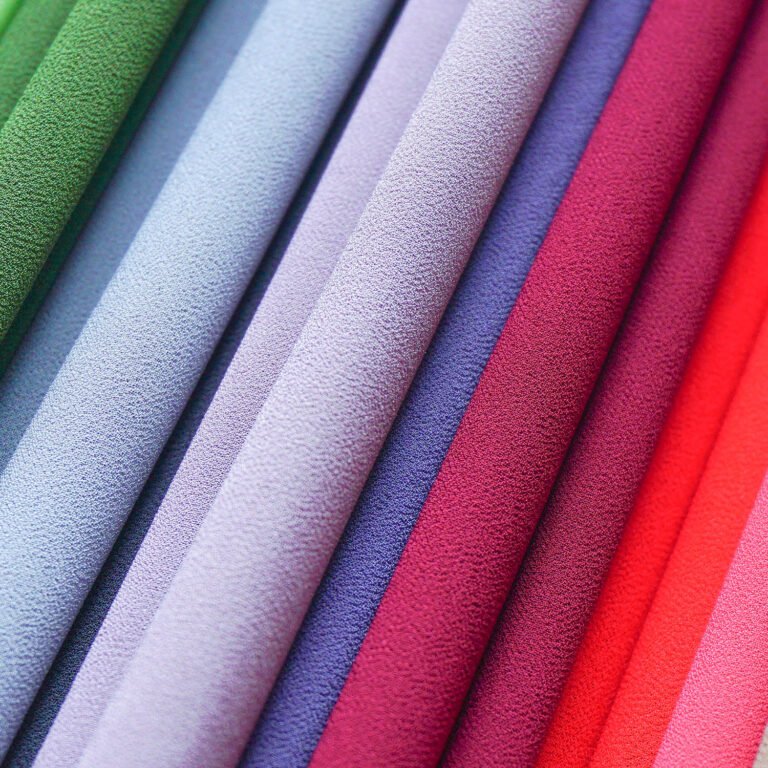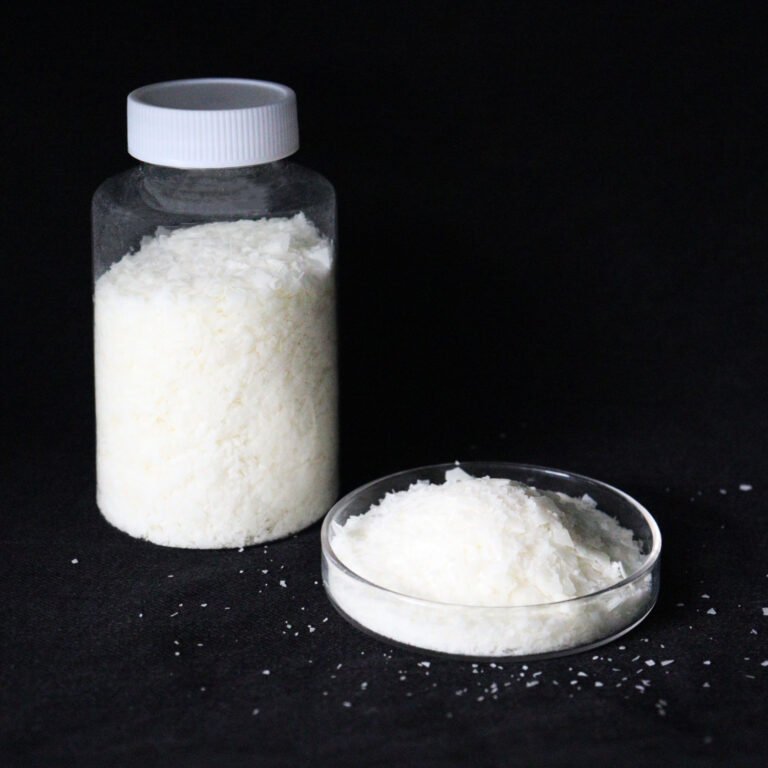
Dyeing is one of the most important processes in textile manufacturing, directly affecting fabric color, appearance, and quality. However, achieving uniform colors, excellent color fastness, and stable dyeing performance requires more than just dyes.
Dye auxiliaries are specialized textile chemicals used during the dyeing process to improve dye absorption, color uniformity, processing efficiency, and final fabric performance.
Unlike dyes, which mainly provide color, dye auxiliaries support the dyeing process by controlling chemical reactions, improving dye penetration, and enhancing the interaction between dyes and fibers.
Dye auxiliaries are widely used in the dyeing of cotton, polyester, nylon, wool, and blended fabrics.
Main Types of Dye Auxiliaries
The following table summarizes common types of dye auxiliaries used in textile dyeing.
| Type of Dye Auxiliary | Main Function | Common Applications |
|---|---|---|
| Leveling Agents | Ensure even dye distribution and prevent uneven coloring | Cotton, polyester, nylon dyeing |
| Dispersing Agents | Keep dye particles evenly dispersed | Polyester and synthetic fibers |
| Dye Fixing Agents | Improve color fastness and reduce fading | Reactive dyeing and direct dyeing |
| Wetting Agents | Improve fabric wetting and dye penetration | Pretreatment and dyeing |
| pH Regulators | Maintain suitable dyeing conditions | Various dyeing processes |
| Sequestering Agents | Remove metal ions and improve dyeing stability | Cotton and synthetic fiber dyeing |
| Retarding Agents | Control dye absorption rate | Wool, nylon, and acrylic dyeing |
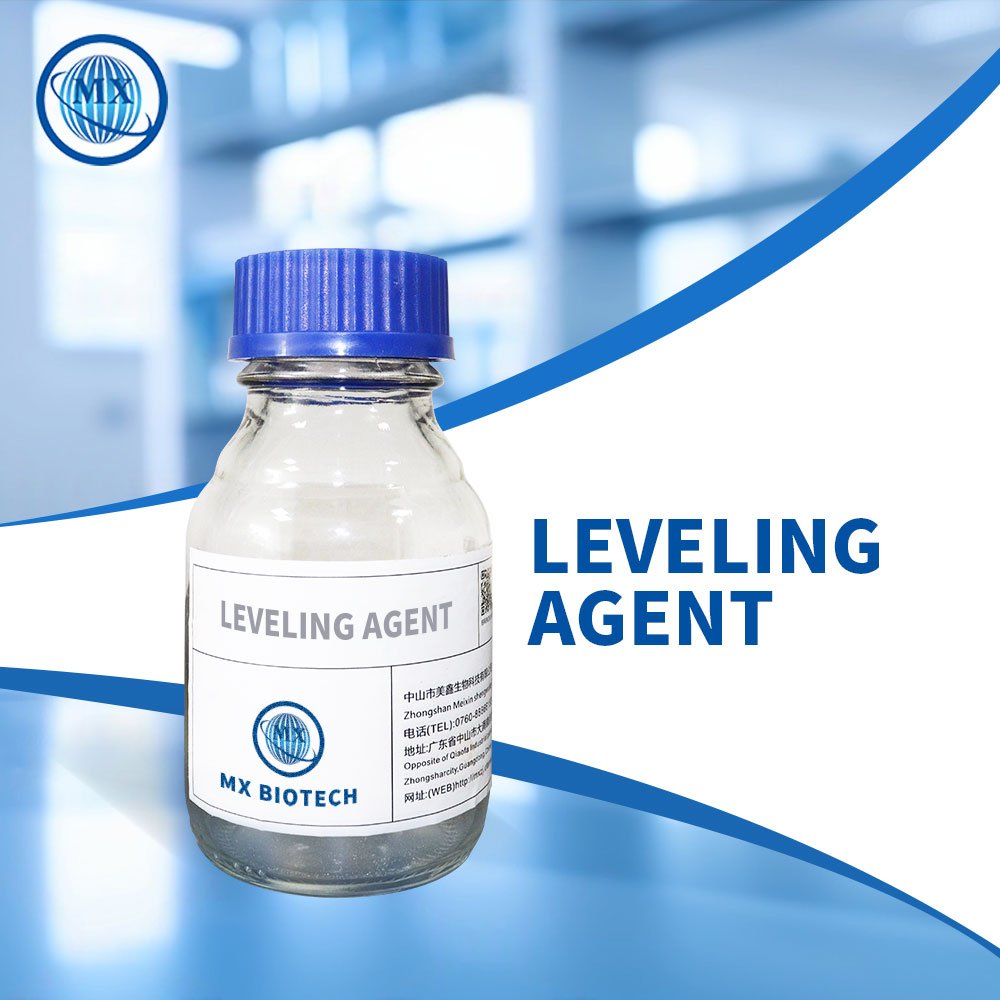
Leveling Agents: Achieving Uniform Dyeing Results
Leveling agents are among the most commonly used dye auxiliaries. They help control the dye absorption rate and allow dyes to distribute evenly throughout the fabric.
Functions:
- Prevent uneven dyeing
- Improve shade consistency
- Reduce color variation between batches
Applications:
Leveling agents are widely used in:
- Cotton reactive dyeing
- Polyester disperse dyeing
- Nylon acid dyeing
They are especially important for producing high-quality fabrics that require precise color matching.
Dispersing Agents: Improving Dye Stability
Dispersing agents are mainly used in synthetic fiber dyeing, especially polyester dyeing with disperse dyes.
Functions:
- Prevent dye particle aggregation
- Improve dye dispersion in dye baths
- Enhance color uniformity
Applications:
- Polyester fabrics
- Microfiber textiles
- Synthetic blended fabrics
Proper use of dispersing agents helps achieve stable dyeing performance and better color reproducibility.
Dye Fixing Agents: Enhancing Color Fastness
After dyeing, unfixed dyes may cause color bleeding or fading. Dye fixing agents help improve the bonding between dyes and fibers.
Functions:
- Improve washing fastness
- Reduce color migration
- Maintain fabric appearance
Applications:
- Cotton garments
- Towels
- Bedding products
- Fashion textiles
Wetting Agents: Improving Dye Penetration
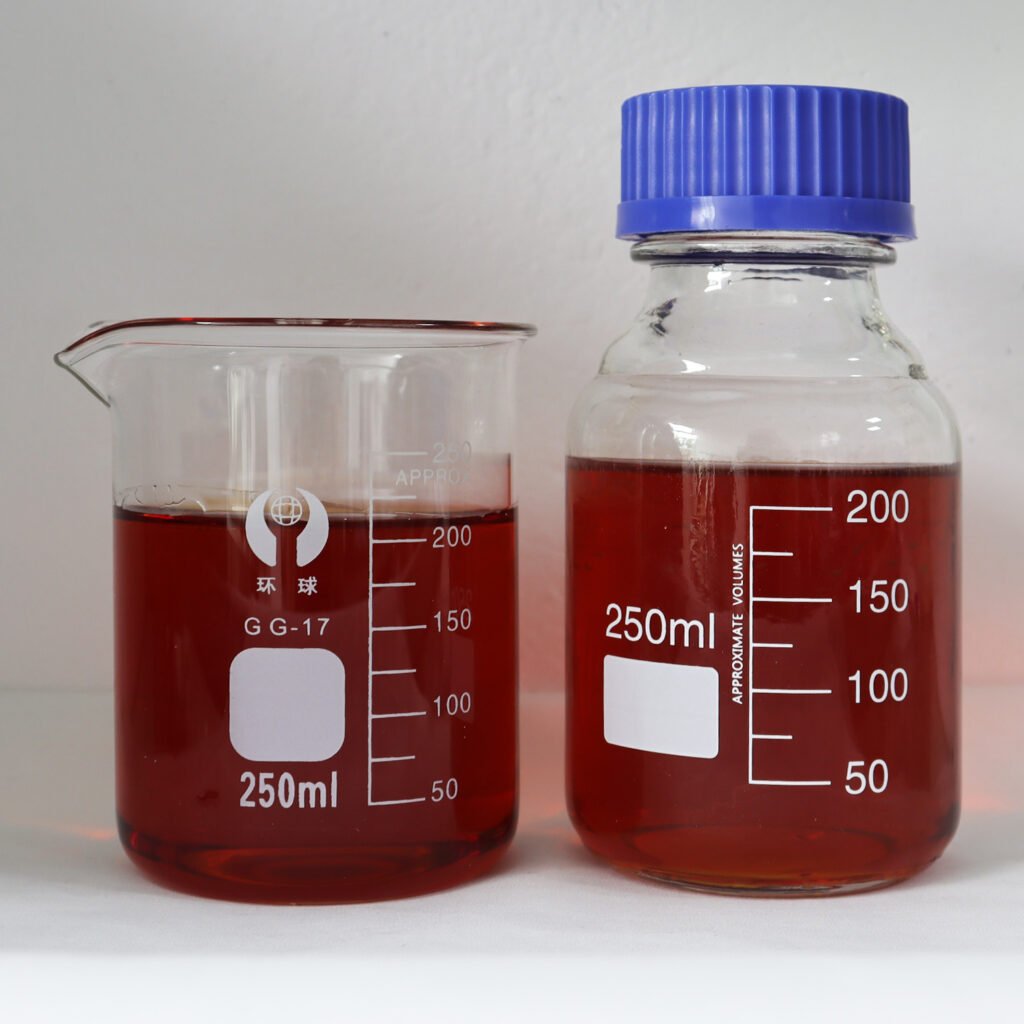
Wetting agents help fabrics absorb dye solutions more effectively by reducing surface tension.
Functions:
- Improve fabric wetting
- Increase dye penetration
- Promote uniform dye absorption
Applications:
- Cotton pretreatment
- Fabric dyeing
- Blended textile processing
Sequestering Agents: Improving Dyeing Stability
Metal ions in water can interfere with dyeing reactions and affect color quality. Sequestering agents help control these unwanted effects.
Functions:
- Bind metal ions
- Improve dye bath stability
- Reduce dyeing defects
Applications:
- Cotton dyeing
- Reactive dyeing processes
- High-quality textile production
Retarding Agents: Controlling Dye Absorption
Retarding agents slow down dye absorption, allowing dyes to distribute more evenly.
Functions:
- Control dye uptake speed
- Prevent uneven coloration
- Improve dyeing accuracy
Applications:
- Wool dyeing
- Nylon dyeing
- Acrylic fiber dyeing
Applications of Dye Auxiliaries in Different Dyeing Processes
Different fibers and dyes require specific dye auxiliary solutions.
| Dyeing Process | Common Dye Auxiliaries | Purpose |
|---|---|---|
| Reactive Dyeing | Leveling agents, fixing agents, wetting agents | Improve cotton dyeing quality |
| Disperse Dyeing | Dispersing agents, leveling agents | Improve polyester color uniformity |
| Acid Dyeing | Leveling agents, retarding agents | Improve wool and nylon dyeing |
| Direct Dyeing | Fixing agents, wetting agents | Enhance color fastness |
| Pigment Dyeing | Binders, dispersing agents | Improve pigment adhesion |
Benefits of Using Dye Auxiliaries
The proper use of dye auxiliaries provides several advantages for textile manufacturers:
Improved Color Quality
Dye auxiliaries help achieve consistent shades and reduce uneven coloring.
Better Color Fastness
Fixing agents improve resistance to washing, rubbing, and light exposure.
Higher Production Efficiency
Optimized dyeing processes reduce defects and improve productivity.
Enhanced Fabric Performance
Dye auxiliaries contribute to better fabric appearance and quality.
Conclusion
Dye auxiliaries play an essential role in modern textile dyeing processes. Although they do not directly provide color, they significantly improve dye penetration, color uniformity, fastness, and production efficiency.
From leveling agents and dispersing agents to fixing agents and wetting agents, each type of dye auxiliary serves a specific purpose in achieving high-quality dyed fabrics.
For textile manufacturers looking for reliable dye auxiliary solutions, Meixin Biotech provides professional textile chemical products and technical support to help improve dyeing performance and production efficiency.
Contact Meixin Biotech: connie.huang@meixinbiotech.com