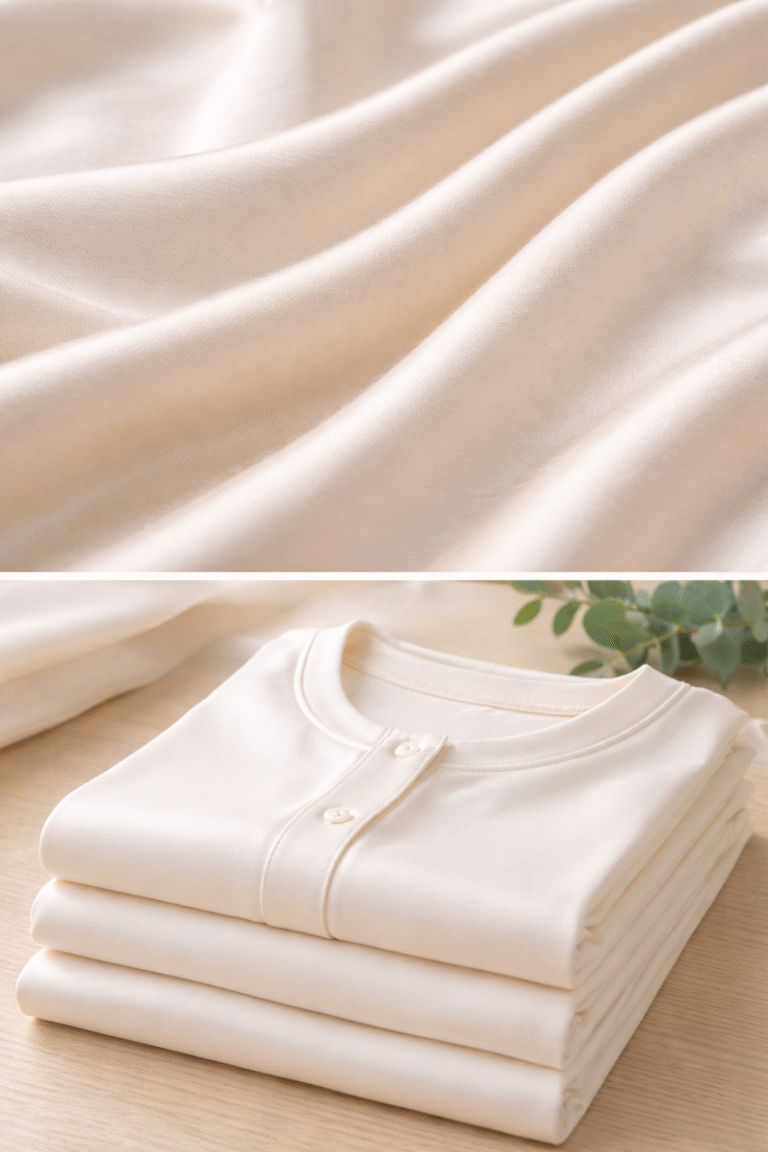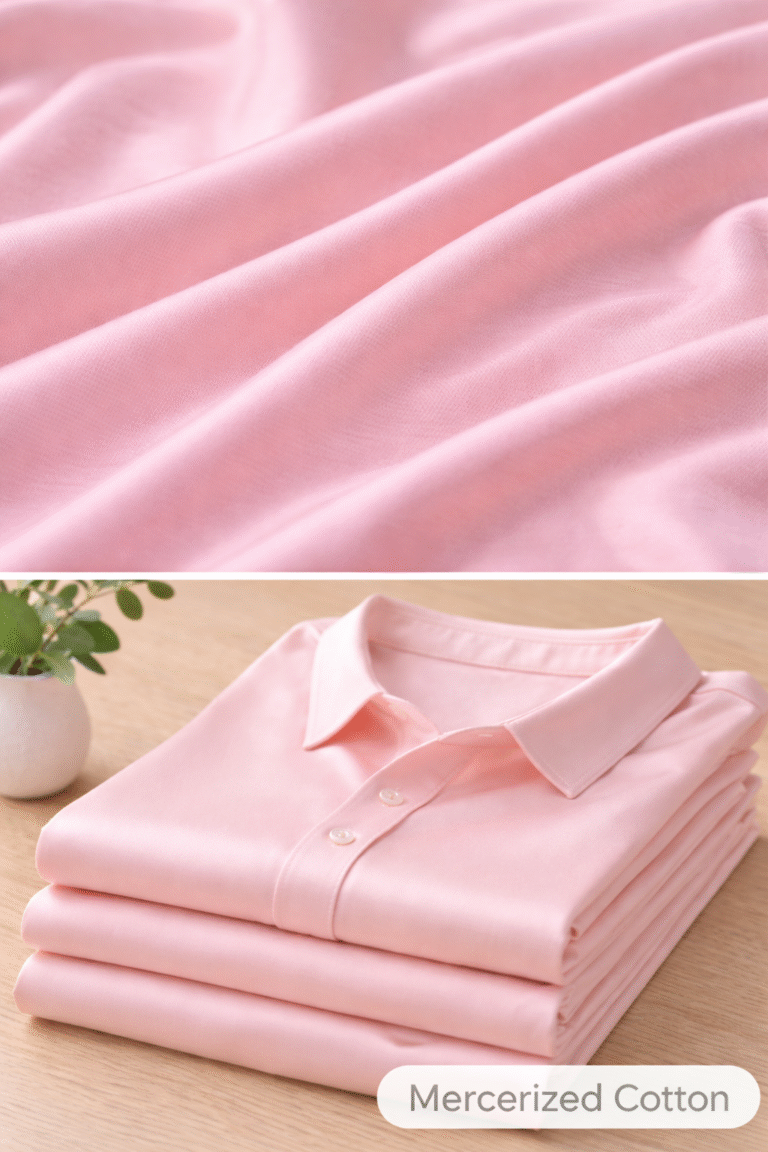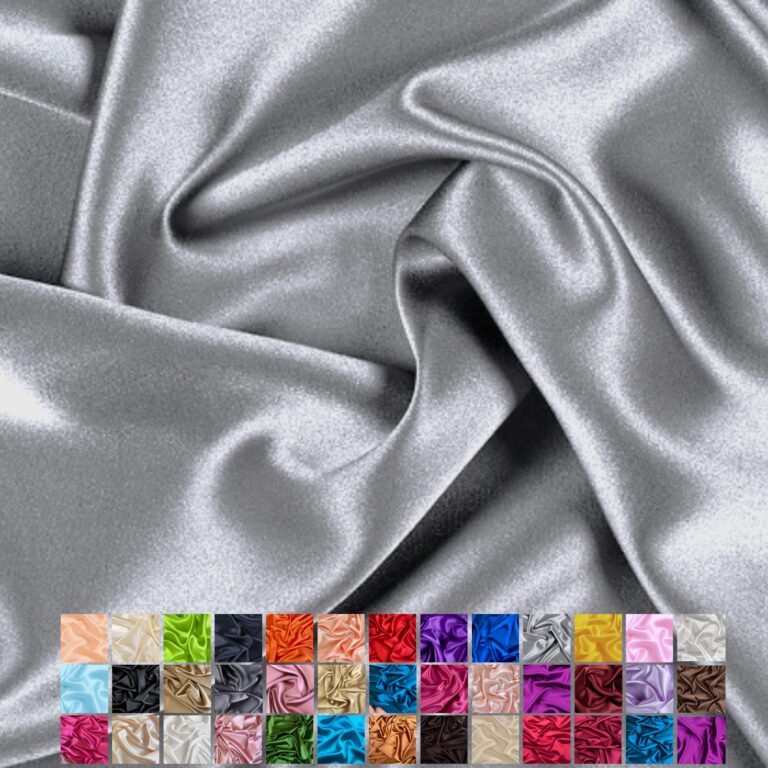
In textile manufacturing, achieving high-quality fabrics with vibrant and uniform colors begins with proper preparation. One of the most critical steps is scouring, a process that uses specialized chemicals known as scouring agents to clean fibers and enhance their properties. By understanding how scouring agents work, manufacturers can significantly improve both fabric quality and dyeing performance.
1. The Purpose of Scouring Agents
Scouring agents are designed to remove natural and synthetic impurities from textiles. These include:
- Natural waxes and oils present in cotton, wool, or silk fibers
- Residual sizing agents from yarn production
- Dust, dirt, and other foreign particles
Removing these substances prepares the fabric for downstream processes like bleaching, dyeing, and finishing, resulting in improved color uniformity and overall textile performance.
2. How Scouring Agents Enhance Fabric Quality
Clean fibers are key to high-quality textiles. Scouring agents improve fabric quality in several ways:
- Increased Absorbency: By eliminating hydrophobic impurities, scoured fabrics absorb water and dyes more effectively.
- Improved Softness: Removal of waxes and oils reduces stiffness, producing a smoother hand-feel.
- Enhanced Strength: Proper scouring prevents fiber damage during subsequent processing.
- Uniform Surface: Clean fibers allow consistent finishing and smoother fabric appearance.
3. How Scouring Agents Improve Dyeing Performance
Dyeing requires fibers to be receptive to coloring agents. Scouring agents contribute to better dye uptake by:
- Removing Impurities That Hinder Dye Penetration: Oils and waxes block dyes from bonding with fibers.
- Creating Hydrophilic Fiber Surfaces: Clean, hydrophilic fibers allow even dispersion and absorption of dyes.
- Reducing Color Variation: Uniform scouring prevents uneven patches, streaks, or color spots.
- Supporting Faster and More Efficient Dyeing: Well-prepared fabrics reduce the need for repeated dyeing cycles.
4. Types of Scouring Agents for Optimal Performance
Different fibers and applications require tailored scouring solutions:
| Type | Mechanism | Applications |
|---|---|---|
| Alkali-Based Agents (NaOH, KOH) | Saponification of fats and oils | Cotton, linen, and blends |
| Detergent-Based Agents | Emulsification of oils and waxes | Delicate fabrics and synthetics |
| Enzymatic Scouring Agents | Enzymatic removal of impurities | Cotton, eco-friendly processing |
| Combination Systems | Alkali + detergent or enzyme | Industrial scale for efficiency |
Selecting the appropriate agent ensures maximum fabric quality and dyeing consistency.
5. Applications in Modern Textiles
Scouring is essential across many textile segments:
- Apparel Fabrics: Shirts, trousers, knitwear with consistent color and smooth texture.
- Home Textiles: Bed linens, towels, and curtains for improved absorbency and appearance.
- Industrial Textiles: Technical fabrics and nonwovens requiring clean and uniform fibers.
Conclusion
Scouring agents are fundamental to achieving high-quality fabrics and superior dyeing results. By removing impurities and enhancing fiber properties, they ensure that textiles are soft, absorbent, and ready for vibrant, uniform coloration. Proper scouring not only improves performance but also extends fabric life.
For expert guidance and high-quality scouring agents, contact Meixin Biotech at connie.huang@meixinbiotech.com.
Pre-treatment Articles
Top Mistakes to Avoid When Using Scouring Agents in Cotton Processing
How Scouring Agents Improve Fabric Quality and Dyeing Performance
The Role of Scouring Agents in Textile Processing: A Complete Guide