When choosing clothing or textiles, one common question arises: Is 100% polyester better than cotton? These two fabrics dominate the global textile market, yet they serve very different purposes. Rather than declaring a single winner, understanding how each fabric performs in real-world use helps determine which one is “better” for specific needs.
Understanding the Two Fabrics
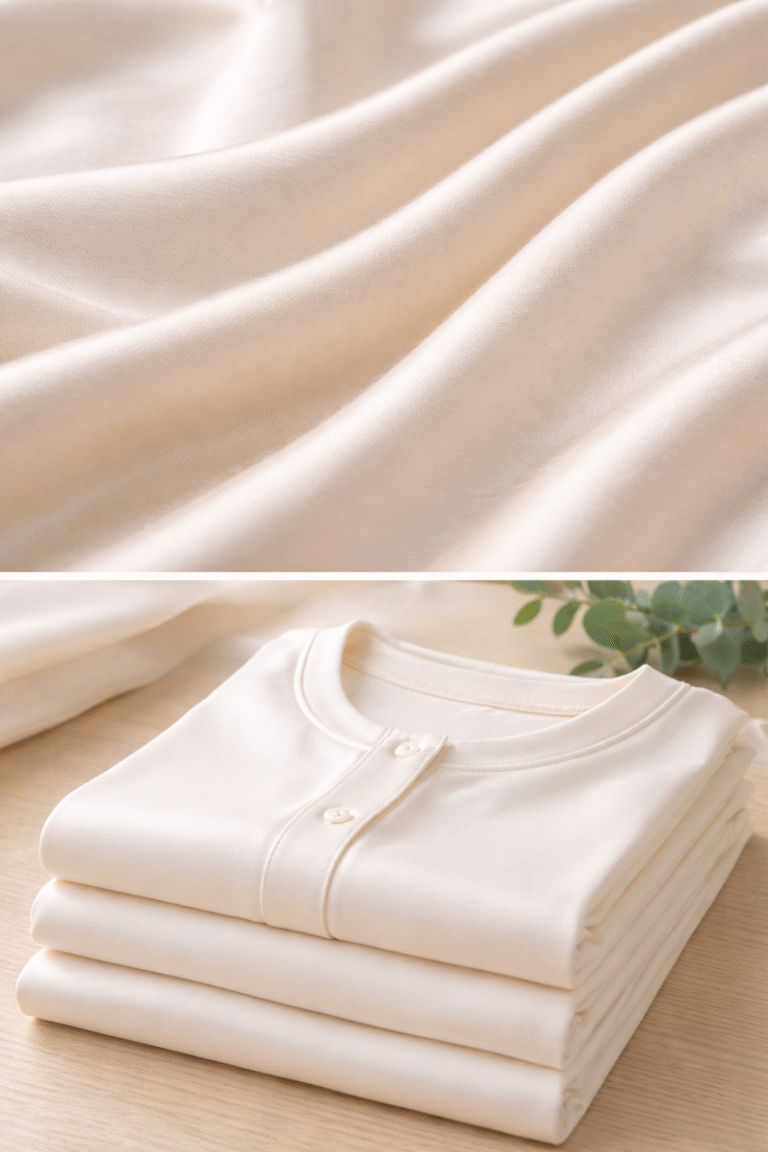
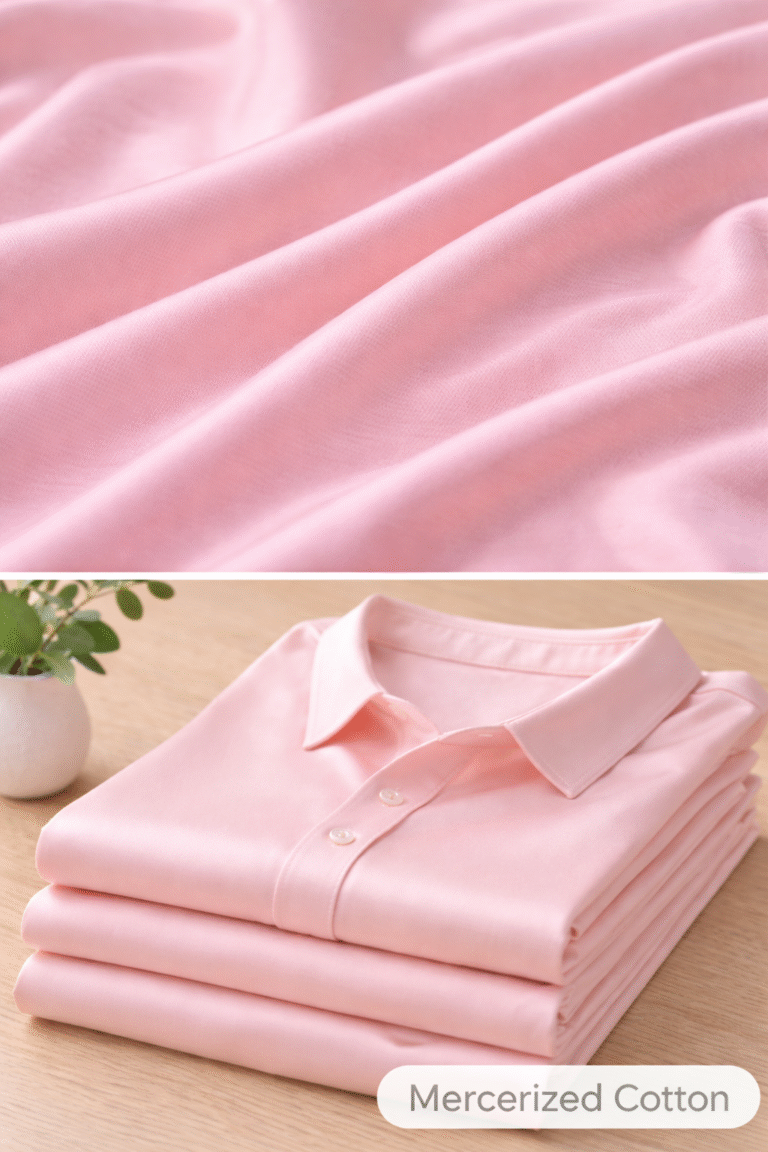
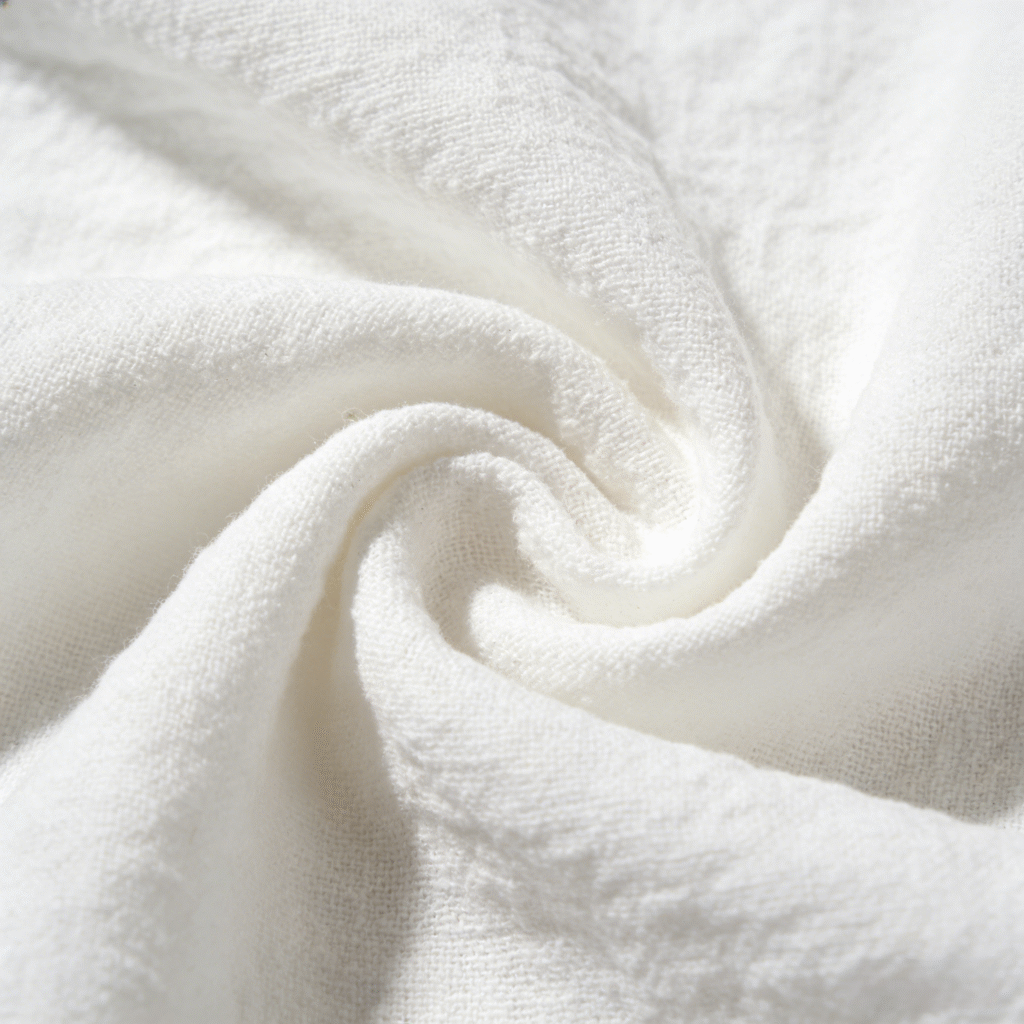
Cotton is a natural fiber harvested from cotton plants. It has been used for thousands of years and is valued for its softness, breathability, and comfort.
Polyester, on the other hand, is a synthetic fiber made from petroleum-based polymers. It was developed to offer durability, shape retention, and easy care—qualities that natural fibers often lack.
Comfort and Wearability
Cotton is widely considered more comfortable for everyday wear. It is breathable, absorbs moisture, and feels soft against the skin, making it ideal for hot weather, sleepwear, and casual clothing.
100% polyester does not absorb moisture in the same way. Instead, it moves sweat away from the body and dries quickly. While this makes it suitable for activewear, it can feel warmer and less breathable than cotton in humid conditions.
Verdict: Cotton wins for natural comfort; polyester excels in performance-driven comfort.
Durability and Longevity
Polyester is significantly stronger than cotton. It resists stretching, shrinking, and tearing, and it maintains its shape even after repeated washing. Cotton fibers gradually weaken over time, especially with frequent laundering.
For garments that need to withstand heavy use—such as uniforms, sportswear, or workwear—100% polyester often lasts longer than cotton.
Verdict: Polyester is superior in durability.
Maintenance and Care
One of polyester’s biggest advantages is easy maintenance. It is wrinkle-resistant, quick-drying, and usually does not require ironing. Cotton wrinkles easily, dries more slowly, and may shrink if not properly treated.
For people who prioritize low-maintenance clothing, polyester offers a clear advantage.
Verdict: Polyester is easier to care for than cotton.
Breathability and Temperature Regulation
Cotton allows air to circulate freely, helping regulate body temperature naturally. This makes it especially comfortable in hot climates.
Polyester tends to trap heat unless it is engineered with breathable structures or special finishes. While modern polyester fabrics have improved significantly, they still cannot fully match cotton’s natural airflow.
Verdict: Cotton performs better in warm and humid environments.
Environmental Impact
Cotton is biodegradable and made from renewable resources, but it requires large amounts of water, pesticides, and land during cultivation.
Traditional polyester is made from non-renewable petroleum and is not biodegradable. However, recycled polyester (rPET) and cleaner production technologies are helping reduce its environmental footprint.
Verdict: Both have environmental drawbacks, but sustainable innovations are improving polyester’s impact.
Cost and Practicality
Polyester is generally more affordable to produce and offers consistent quality. Cotton prices can fluctuate based on harvest conditions and quality grades.
For mass production and cost-sensitive applications, polyester is often the more practical option.
Conclusion
So, is 100% polyester better than cotton?
The answer depends on how the fabric is used:
- Choose 100% polyester for durability, easy care, and performance applications such as sportswear, uniforms, and travel clothing.
- Choose cotton for breathability, softness, and everyday comfort, especially in warm climates.
In many cases, polyester–cotton blends provide the best balance of comfort and performance.
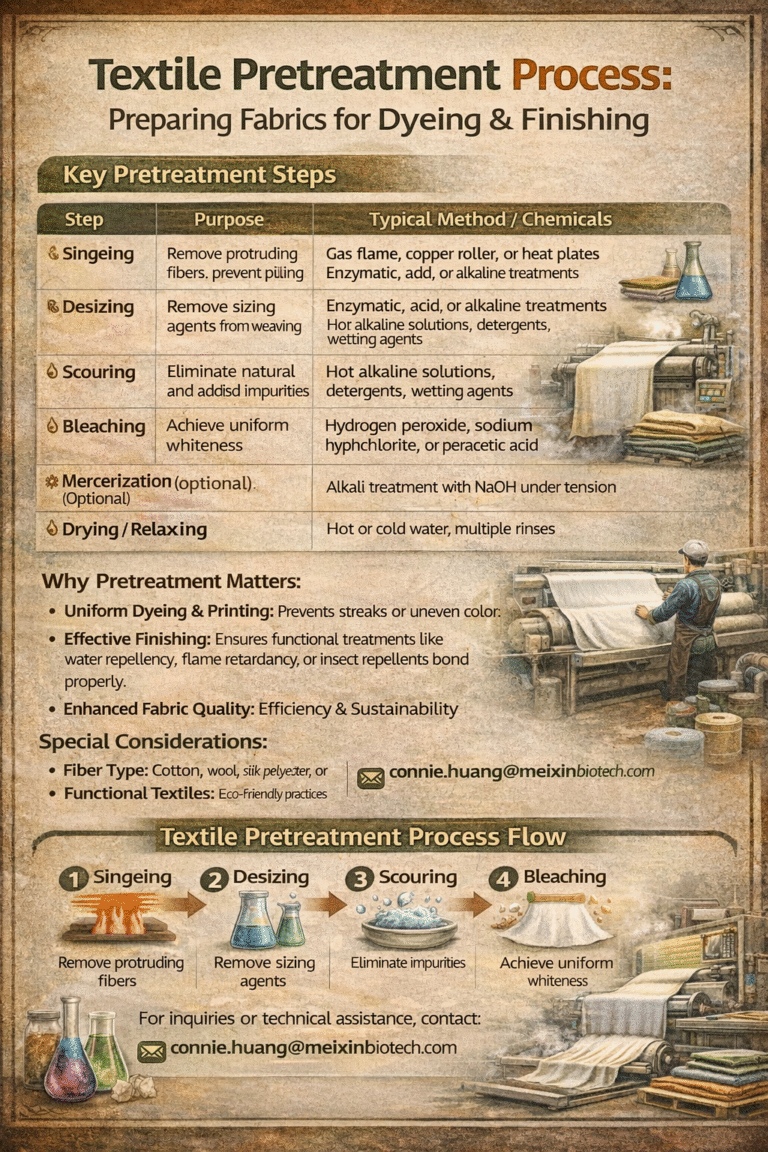
Advanced textile chemical technologies play an important role in improving both fabrics. Meixin Biotech, founded in 2005 and based in Zhongshan, Guangdong, specializes in textile chemicals that enhance fabric comfort, functionality, and sustainability. For professional support or customized solutions, contact connie.huang@meixinbiotech.com.