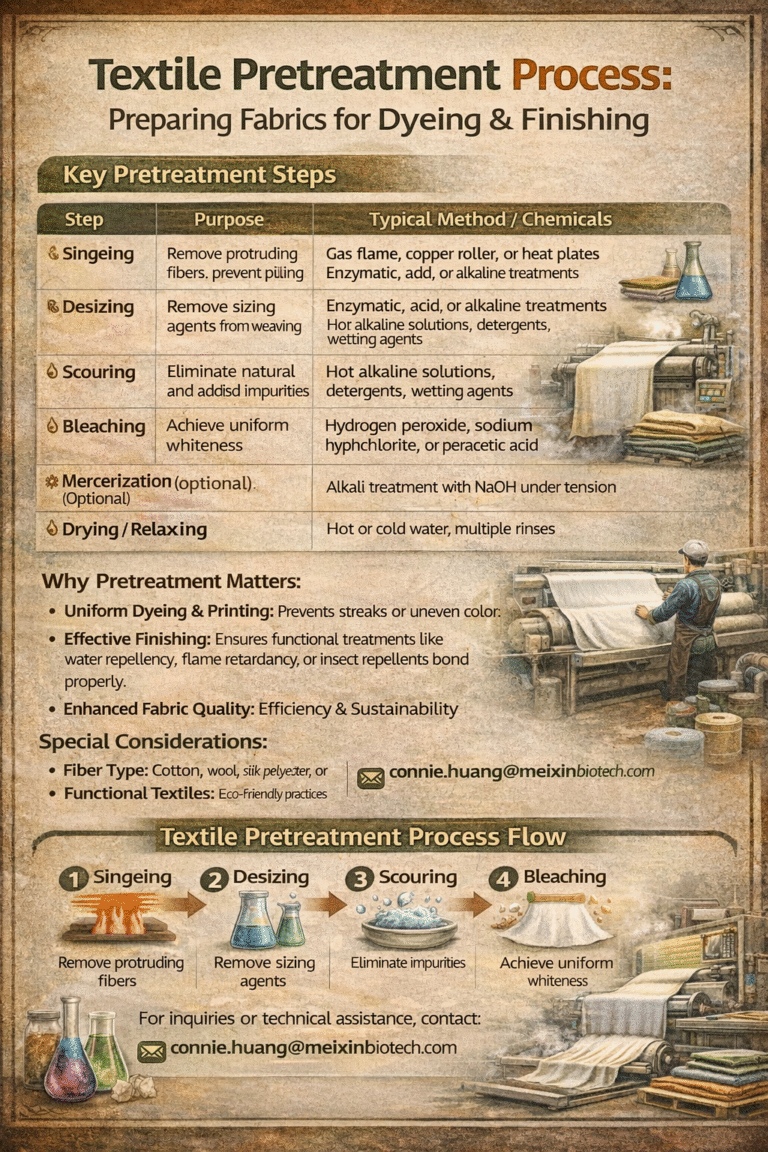
Polyester is one of the most widely used fabrics in the world, found in everything from everyday clothing to home textiles and industrial materials. But despite its popularity, many consumers still ask: Is polyester a good fabric? The answer depends on how it’s used and what you value most—comfort, durability, cost, or sustainability.
What Is Polyester Fabric?
Polyester is a synthetic fiber made primarily from petroleum-based polymers. First introduced in the mid-20th century, it quickly gained popularity due to its strength, versatility, and low production cost. Today, polyester is often used on its own or blended with natural fibers like cotton, wool, or viscose to improve performance and reduce drawbacks.
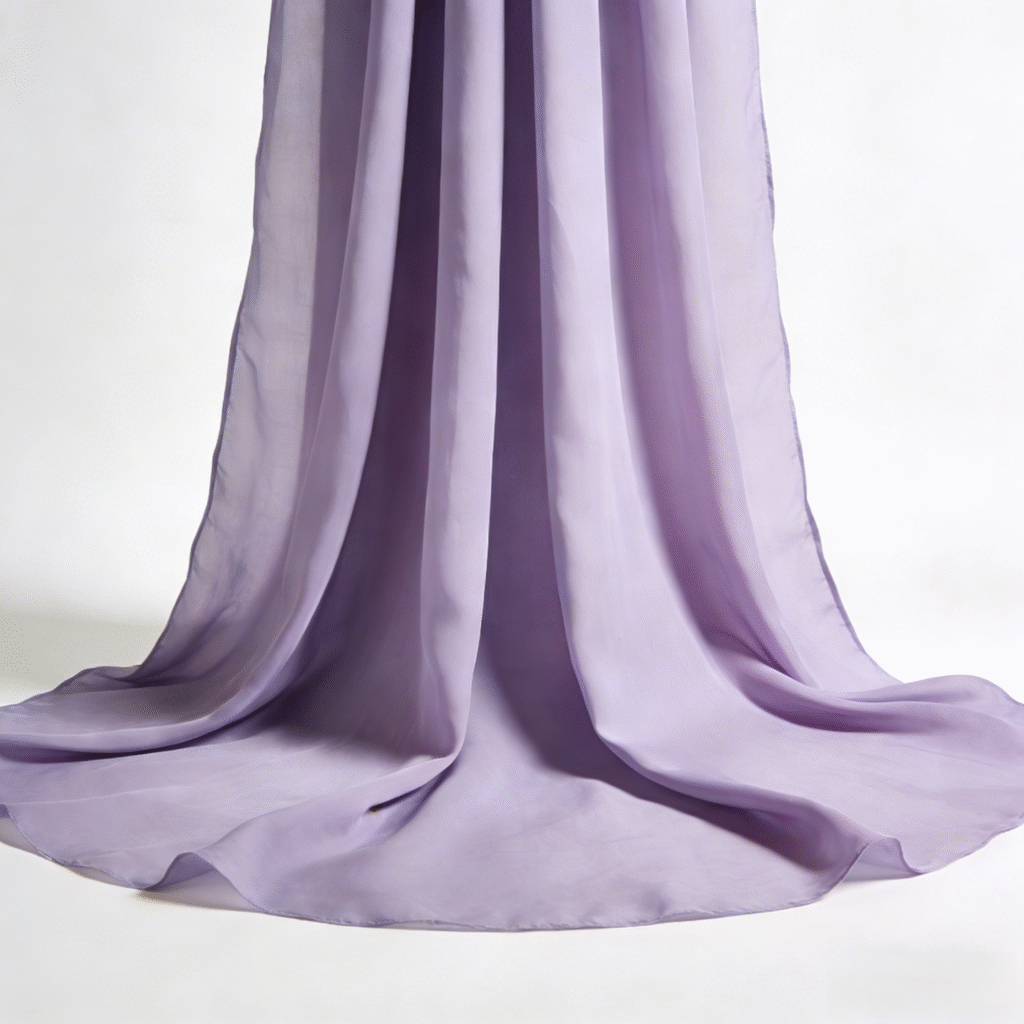
Advantages of Polyester Fabric
1. Excellent Durability
Polyester fibers are strong and resistant to stretching, shrinking, and tearing. Garments made from polyester tend to keep their shape and appearance even after repeated washing and wearing.
2. Wrinkle and Shrink Resistance
Unlike many natural fibers, polyester resists wrinkles and shrinkage. This makes it a popular choice for travel clothing, uniforms, and everyday wear that requires minimal maintenance.
3. Moisture-Wicking Properties
While polyester is not highly absorbent, it excels at wicking moisture away from the skin, making it suitable for sportswear and activewear where quick drying is essential.
4. Easy Care
Polyester fabrics are generally machine washable, quick-drying, and do not require ironing, which appeals to consumers looking for convenience.
5. Affordable and Versatile
Compared to natural fibers like silk or wool, polyester is cost-effective. It can also be engineered to mimic various textures, from soft and silky to thick and insulating.
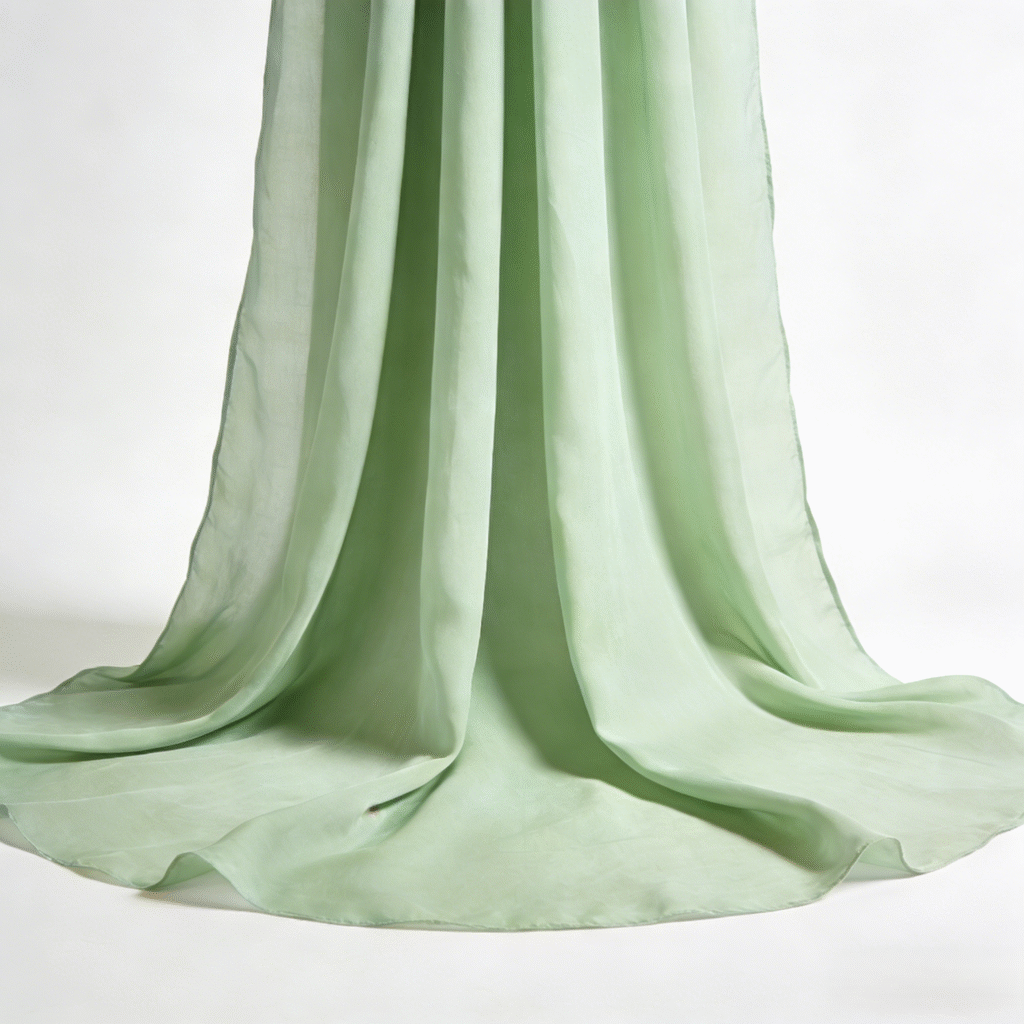
Disadvantages of Polyester Fabric
1. Limited Breathability
Polyester does not breathe as well as natural fibers like cotton or linen. In hot or humid climates, it may trap heat and feel less comfortable.
2. Static and Odor Retention
Polyester fabrics can generate static electricity and tend to retain odors, especially in activewear, unless treated with special finishes.
3. Environmental Concerns
Traditional polyester is made from non-renewable petroleum resources and is not biodegradable. However, recycled polyester (rPET) and improved production methods are helping reduce its environmental impact.
4. Heat Sensitivity
Polyester can be damaged by high heat during ironing or drying, potentially melting or losing its shape if not handled properly.
When Is Polyester a Good Choice?
Polyester is a good fabric choice when durability, easy care, and affordability are priorities. It works especially well for:
- Sportswear and activewear
- Outdoor and performance clothing
- Workwear and uniforms
- Upholstery and home textiles
For everyday fashion, polyester blends often offer a better balance of comfort and performance than 100% polyester.
Conclusion
So, is polyester a good fabric? Yes—when used in the right applications. Polyester stands out for its durability, wrinkle resistance, and low maintenance, making it ideal for modern, fast-paced lifestyles. While it may lack the natural breathability of some fibers, ongoing innovations—including recycled polyester and functional textile finishes—continue to improve its comfort and sustainability.
To enhance polyester’s performance and reduce its limitations, textile chemical solutions play a crucial role. Meixin Biotech, founded in 2005 and based in Zhongshan, Guangdong, specializes in advanced textile chemicals that improve fabric comfort, functionality, and environmental performance. For professional support and customized solutions, contact connie.huang@meixinbiotech.com.