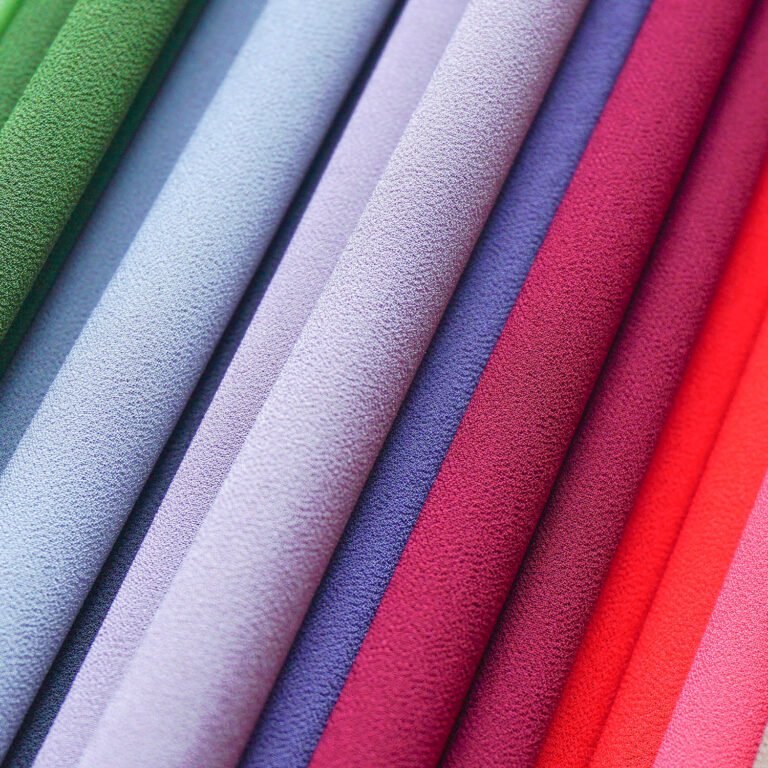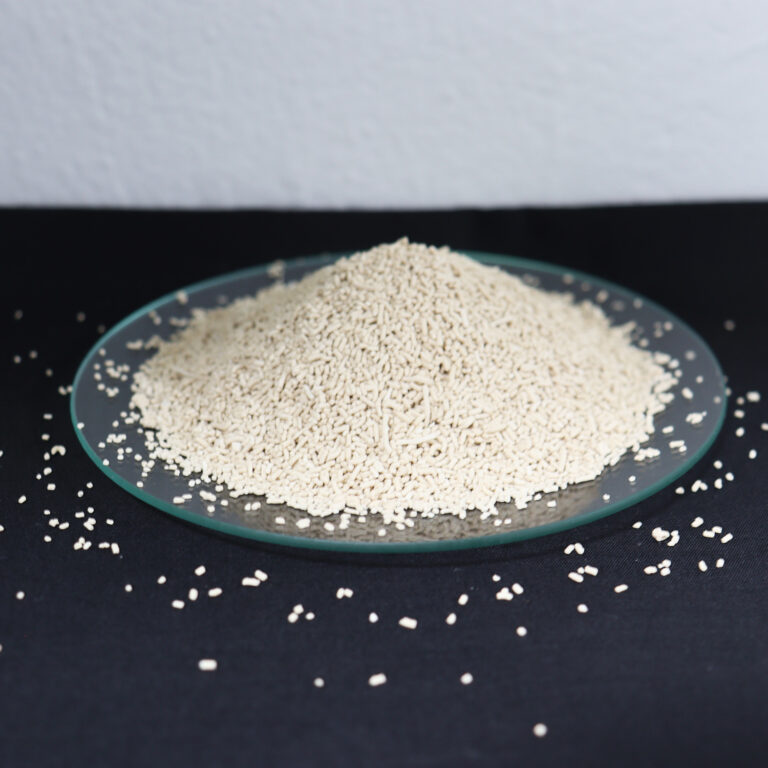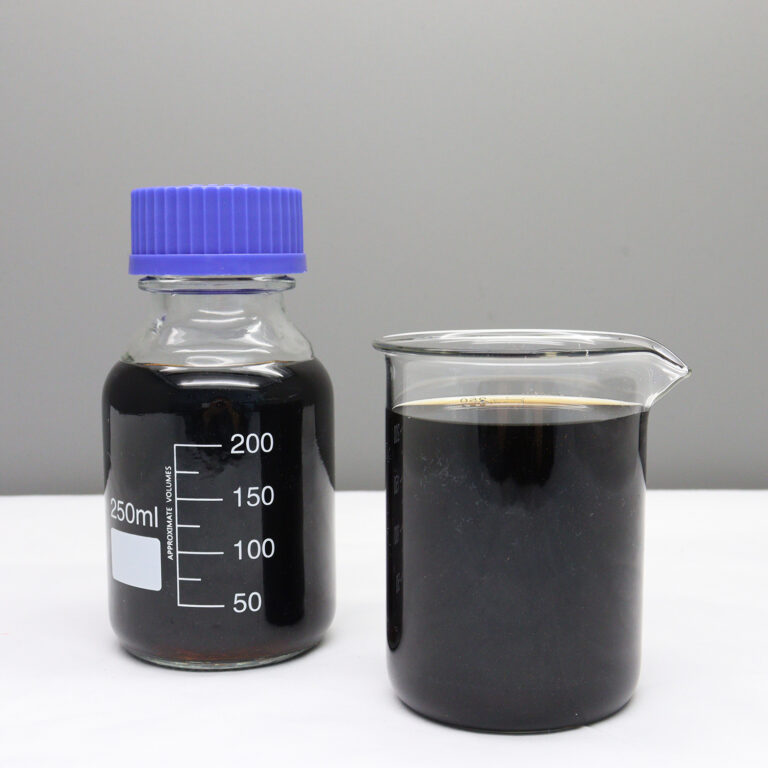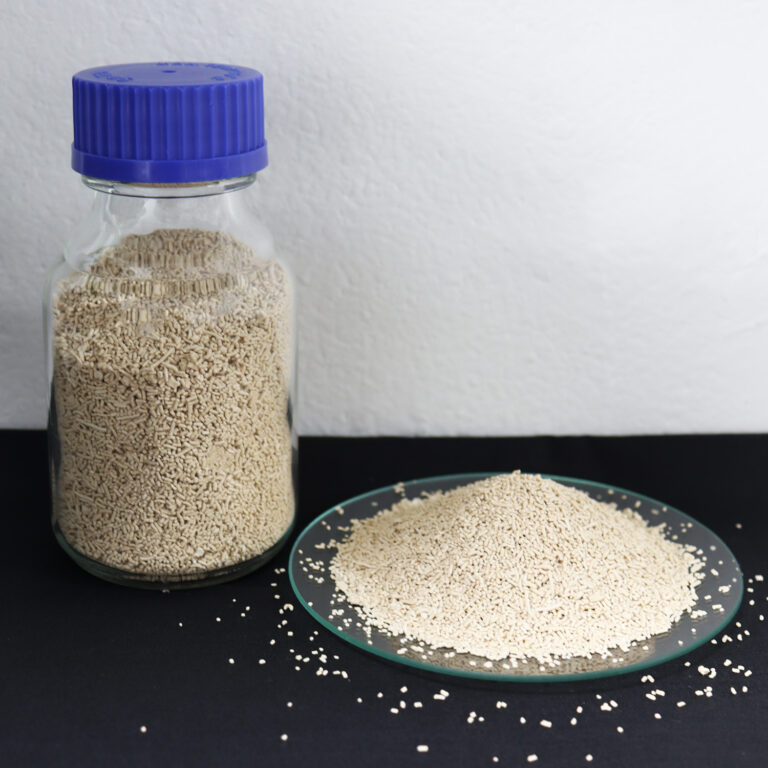
Textile pretreatment is one of the most important stages in textile manufacturing. Before dyeing, printing, and finishing, fabrics must be properly cleaned and prepared to ensure better color absorption, improved fabric quality, and consistent production results.
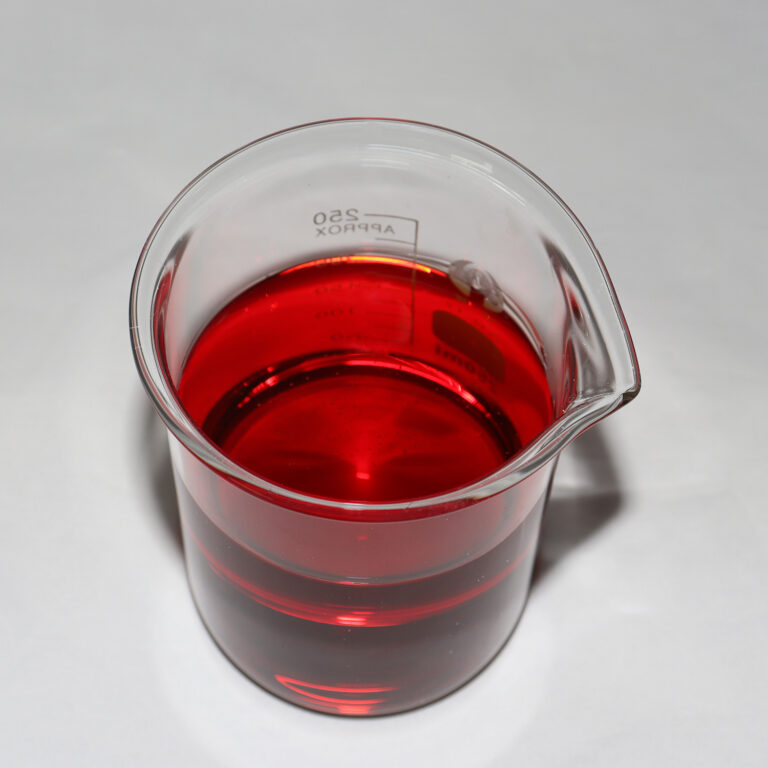
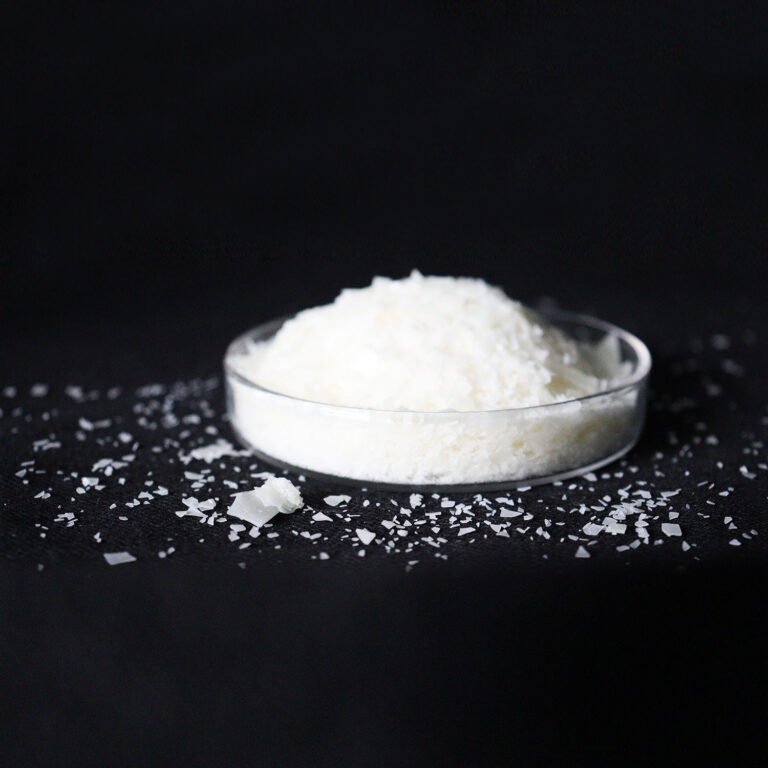
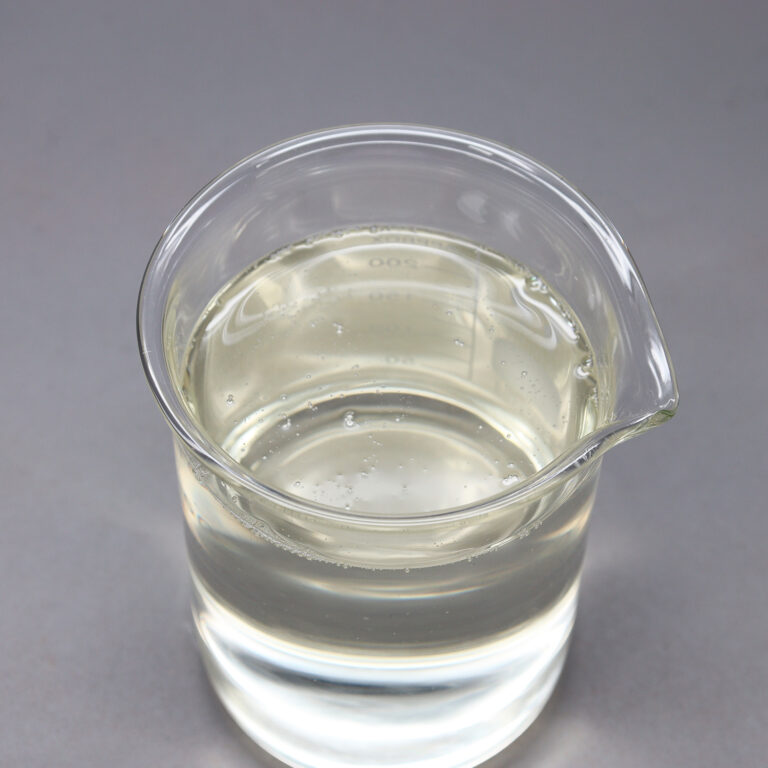
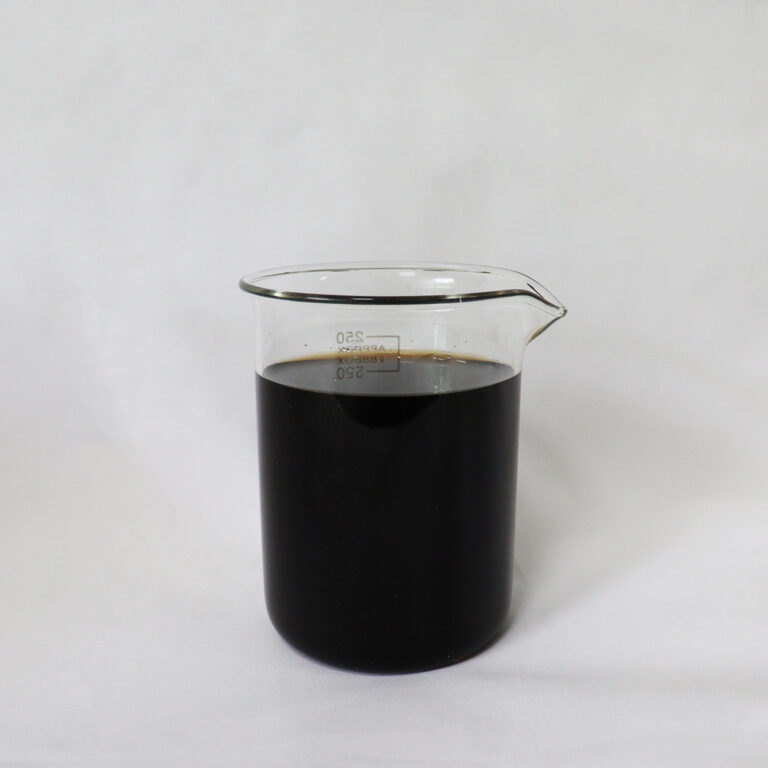
Textile pretreatment chemicals are specialized chemicals used to remove impurities, improve fiber absorbency, and prepare textiles for subsequent processing.
Without effective pretreatment, fabrics may experience problems such as uneven dyeing, poor color fastness, and inconsistent fabric performance.
Common textile pretreatment chemicals include wetting agents, scouring agents, bleaching agents, chelating agents, and desizing agents. Each type plays a specific role in preparing fibers and fabrics for high-quality textile production.
What Are Textile Pretreatment Chemicals?
Textile pretreatment chemicals are auxiliary chemicals applied before dyeing or finishing processes. They help remove natural and manufacturing impurities from fibers while improving the chemical and physical properties of textiles.
During textile production, raw fibers and fabrics may contain:
- Natural oils and waxes
- Dust and dirt
- Sizing materials
- Pectin and other impurities
- Residual processing chemicals
Pretreatment chemicals help eliminate these unwanted substances and create a clean, uniform surface for dyeing and finishing.
Why Is Textile Pretreatment Important?
Effective pretreatment provides several benefits:
| Benefit | Description |
|---|---|
| Better Dye Absorption | Clean fibers absorb dyes more evenly |
| Improved Color Uniformity | Reduces uneven shades and dyeing defects |
| Enhanced Fabric Quality | Improves fabric appearance and performance |
| Higher Production Efficiency | Reduces processing problems and rework |
| Better Finishing Results | Helps finishing chemicals work effectively |
Main Types of Textile Pretreatment Chemicals
| Type of Pretreatment Chemical | Main Function | Common Applications |
|---|---|---|
| Wetting Agents | Improve fabric wetting and chemical penetration | Cotton, polyester, blended fabrics |
| Scouring Agents | Remove oils, waxes, and impurities | Cotton and natural fibers |
| Desizing Agents | Remove sizing materials from yarns and fabrics | Woven fabrics |
| Bleaching Agents | Remove natural color and improve whiteness | Cotton and cellulose fibers |
| Bleaching Stabilizers | Control bleaching reactions | Cotton bleaching processes |
| Sequestering Agents | Remove metal ions and improve process stability | Dyeing preparation |
| Enzymes | Provide gentle and efficient impurity removal | Natural fiber processing |
1. Wetting Agents: Improving Fabric Absorption
Wetting agents are commonly used in textile pretreatment to improve water penetration and chemical absorption.
Functions:
- Reduce surface tension of water
- Improve fabric wetting performance
- Promote uniform chemical penetration
Applications:
Wetting agents are widely used for:
- Cotton pretreatment
- Polyester processing
- Fabric preparation before dyeing
Effective wetting helps ensure that subsequent chemicals can interact evenly with the fibers.
2. Scouring Agents: Removing Natural Impurities
Natural fibers such as cotton contain oils, waxes, and other impurities that can affect dyeing performance. Scouring agents are used to clean fibers and improve absorbency.
Functions:
- Remove oils and waxes
- Eliminate impurities
- Improve fabric hydrophilicity
- Enhance dye uptake
Applications:
- Cotton fabrics
- Linen textiles
- Cellulose fibers
Scouring is especially important for cotton fabrics because proper cleaning directly affects final dyeing quality.

3. Desizing Agents: Removing Sizing Materials
During weaving, yarns are often treated with sizing agents to improve strength and reduce breakage. These sizing materials must be removed before dyeing.
Functions:
- Break down sizing substances
- Improve fabric cleanliness
- Prepare fabrics for dyeing
Applications:
- Woven cotton fabrics
- Polyester-cotton blends
- Industrial textiles
4. Bleaching Agents: Improving Fabric Whiteness
Bleaching agents are used to remove natural pigments and improve fabric brightness.
Functions:
- Remove natural coloration
- Increase fabric whiteness
- Prepare fabrics for light-colored dyeing
Applications:
- Cotton fabrics
- Cellulose fibers
- White textile products
Common bleaching systems include hydrogen peroxide-based processes, especially for cotton bleaching.
5. Bleaching Stabilizers: Controlling Bleaching Processes
During bleaching, uncontrolled chemical reactions may damage fibers. Bleaching stabilizers help maintain stable bleaching conditions.
Functions:
- Control bleaching reaction speed
- Protect fiber strength
- Improve bleaching uniformity
Applications:
- Cotton bleaching
- Cellulose textile processing
6. Sequestering Agents: Improving Process Stability
Water may contain metal ions such as calcium and magnesium, which can affect textile processing performance.
Sequestering agents help control these ions and improve process reliability.
Functions:
- Bind unwanted metal ions
- Prevent processing problems
- Improve dyeing consistency
Applications:
- Pretreatment
- Dyeing preparation
- Textile wet processing
7. Enzymes: Eco-Friendly Pretreatment Solutions
Enzymes are increasingly used in textile pretreatment due to their environmentally friendly characteristics.
Common Textile Enzymes:
| Enzyme Type | Function |
|---|---|
| Amylase | Removes starch-based sizing materials |
| Pectinase | Removes pectin from cotton fibers |
| Cellulase | Improves fabric surface quality |
Applications:
- Cotton processing
- Denim finishing
- Sustainable textile production
Applications of Pretreatment Chemicals in Different Textile Materials
| Textile Material | Common Pretreatment Chemicals | Purpose |
|---|---|---|
| Cotton | Scouring agents, bleaching agents, wetting agents | Remove impurities and improve dye absorption |
| Polyester | Wetting agents, dispersing auxiliaries | Improve dyeing preparation |
| Wool | Wetting agents, specialty auxiliaries | Protect fiber structure |
| Nylon | Wetting agents, leveling auxiliaries | Improve dyeing performance |
| Blended Fabrics | Combined pretreatment systems | Balance different fiber properties |
Conclusion
Textile pretreatment chemicals are essential for achieving high-quality textile production. By removing impurities, improving fiber absorbency, and preparing fabrics for dyeing and finishing, these chemicals directly influence fabric appearance, color quality, and performance.
From wetting agents and scouring agents to bleaching chemicals and enzymes, each pretreatment chemical plays a specific role in creating consistent and durable textiles.
For textile manufacturers seeking reliable pretreatment chemical solutions, Meixin Biotech provides professional textile chemical products and technical support to help improve processing efficiency and fabric quality.
Contact Meixin Biotech: connie.huang@meixinbiotech.com