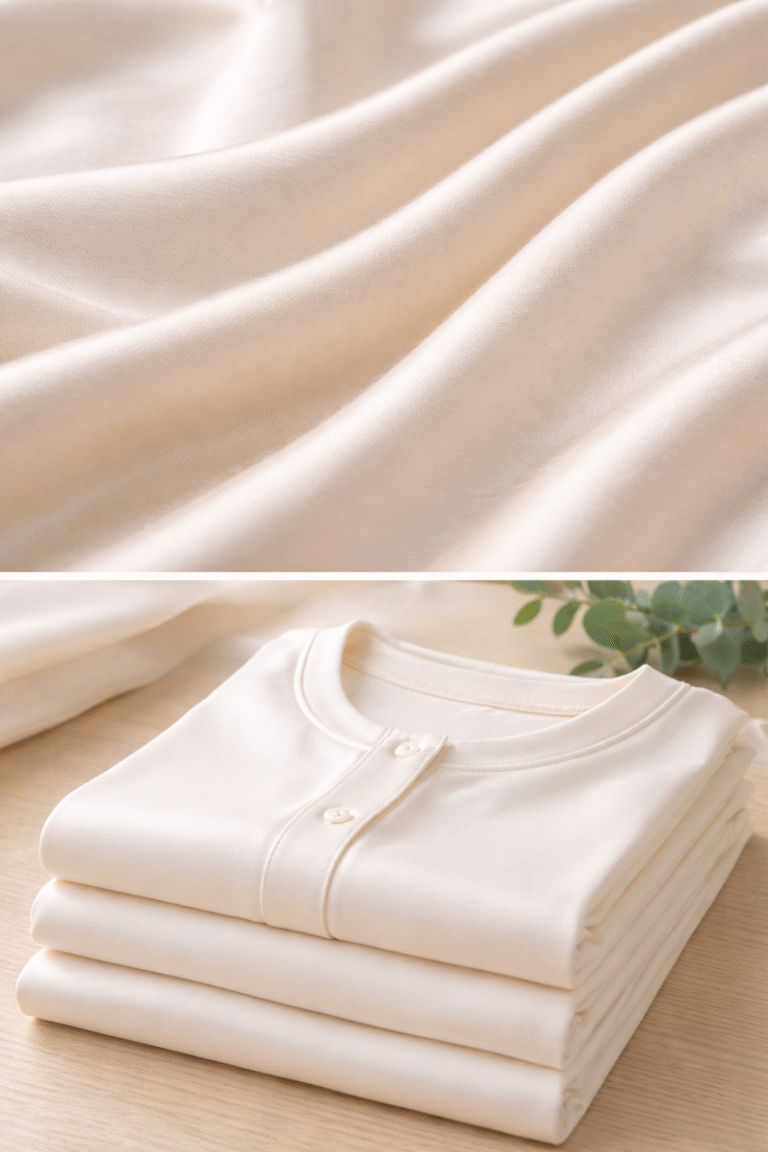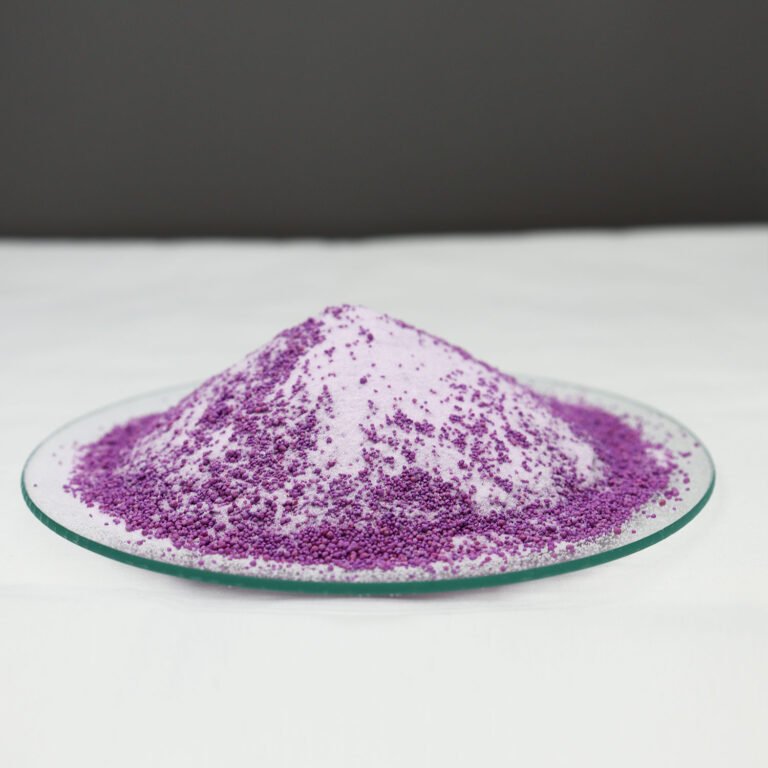
In the textile industry, achieving soft, smooth, and durable fabrics is a constant goal. Traditional chemical treatments often involve harsh processes that can weaken fibers or harm the environment. Biopolishing, an enzymatic finishing technique, offers a sustainable alternative that improves fabric quality while minimizing environmental impact.
1. Understanding Biopolishing
Biopolishing is a controlled enzymatic treatment that removes short fiber ends and protruding fuzz from cotton or cotton-blend fabrics. By using cellulase enzymes, the process polishes the fabric surface without damaging the main fibers.
Key objectives of biopolishing include:
- Enhancing softness and smoothness
- Improving luster and appearance
- Reducing pilling for longer-lasting textiles
2. How Biopolishing Works
The enzymatic process relies on the specificity of cellulase enzymes:
- Enzyme Application: Cellulases selectively hydrolyze cellulose in the protruding fiber ends.
- Mechanical Assistance: Mild agitation helps remove the loosened fibers from the fabric surface.
- Rinsing and Neutralization: Residual enzymes are washed away, leaving a polished, smooth fabric.
This targeted removal of surface fibers prevents the formation of pills and fuzz while maintaining the bulk, strength, and integrity of the fabric.
3. Advantages of Enzymatic Biopolishing
- Softness: Creates a smoother surface, enhancing the tactile feel of textiles.
- Luster: Polished fibers reflect light more evenly, improving visual appeal.
- Pilling Resistance: Reduces surface fiber fuzz, extending garment life.
- Uniform Dyeing and Printing: Smooth fabrics absorb dyes more consistently for vibrant colors.
- Eco-Friendly Processing: Uses biodegradable enzymes, reducing reliance on harsh chemicals.
4. Applications in Modern Textiles
Biopolishing is widely applied across cotton and cotton-blend fabrics:
- Apparel: T-shirts, shirts, knitwear, and delicate clothing.
- Home Textiles: Towels, bed linens, and pillowcases for enhanced softness and durability.
- High-Quality Cotton Blends: Improves longevity and appearance in cotton-polyester fabrics.
5. Best Practices for Effective Biopolishing
- Maintain recommended enzyme concentration, pH, and temperature for optimal results.
- Ensure even fabric exposure for consistent polishing.
- Combine with other finishing agents, like softeners or wrinkle-free chemicals, to enhance overall textile quality.
Conclusion
Biopolishing represents a scientifically advanced, environmentally responsible approach to enhancing fabric quality. By leveraging enzymes, textile manufacturers can produce soft, smooth, lustrous, and pilling-resistant fabrics that meet modern consumer expectations.
For professional guidance on biopolishing and enzyme solutions, contact Meixin Biotech at connie.huang@meixinbiotech.com.
Enzyme Preparation Articles
Tips for Choosing the Right Desizing Enzyme for Your Fabric Type
How Desizing Enzymes Revolutionize Cotton Fabric Preparation
Desizing Enzymes: Essential Tools for Cleaner and Softer Fabrics
Enzymatic Desizing of Cotton Fabrics: Improving Dyeing Efficiency and Fabric Softness
The Science of Biopolishing: Enhancing Fabric Quality Through Enzymes
Biopolishing of Cotton Fabrics: Achieving Smooth, Lustrous, and Pilling-Resistant Textiles
The Role of Enzymes and Green Chemistry in Sustainable Textile Processing