In textile processing, desizing is a critical step to remove starch-based sizing agents applied during weaving. If these starches remain on cotton fabrics, they interfere with dye penetration, cause uneven coloring, and reduce softness. Desizing enzymes, especially amylases, have become the preferred choice for modern textile mills because they work under mild conditions, protect fibers, and support sustainable manufacturing.
However, not all fabrics are the same, and choosing the right desizing enzyme is key to achieving the best results. Below are some expert tips to help you select the ideal enzyme for your fabric type.
1. Consider the Fabric Composition
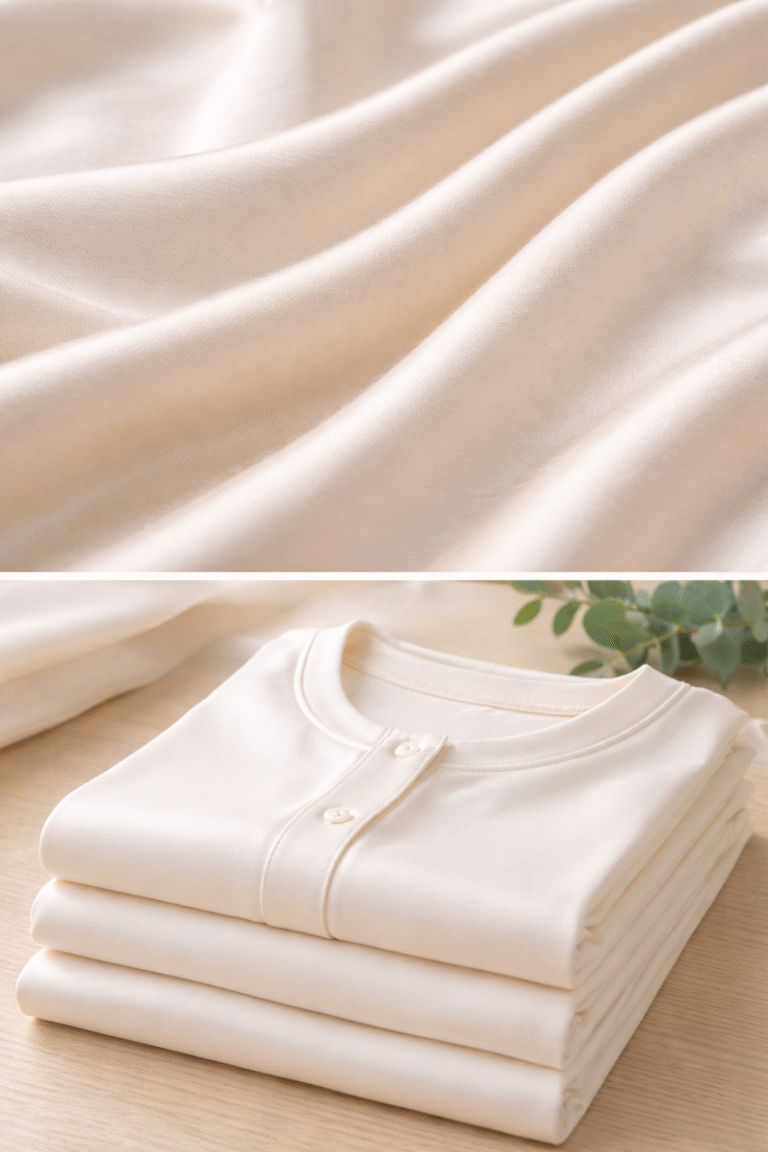
- 100% Cotton: Traditional amylase-based enzymes are most effective, as they specifically break down starch sizing without affecting cellulose fibers.
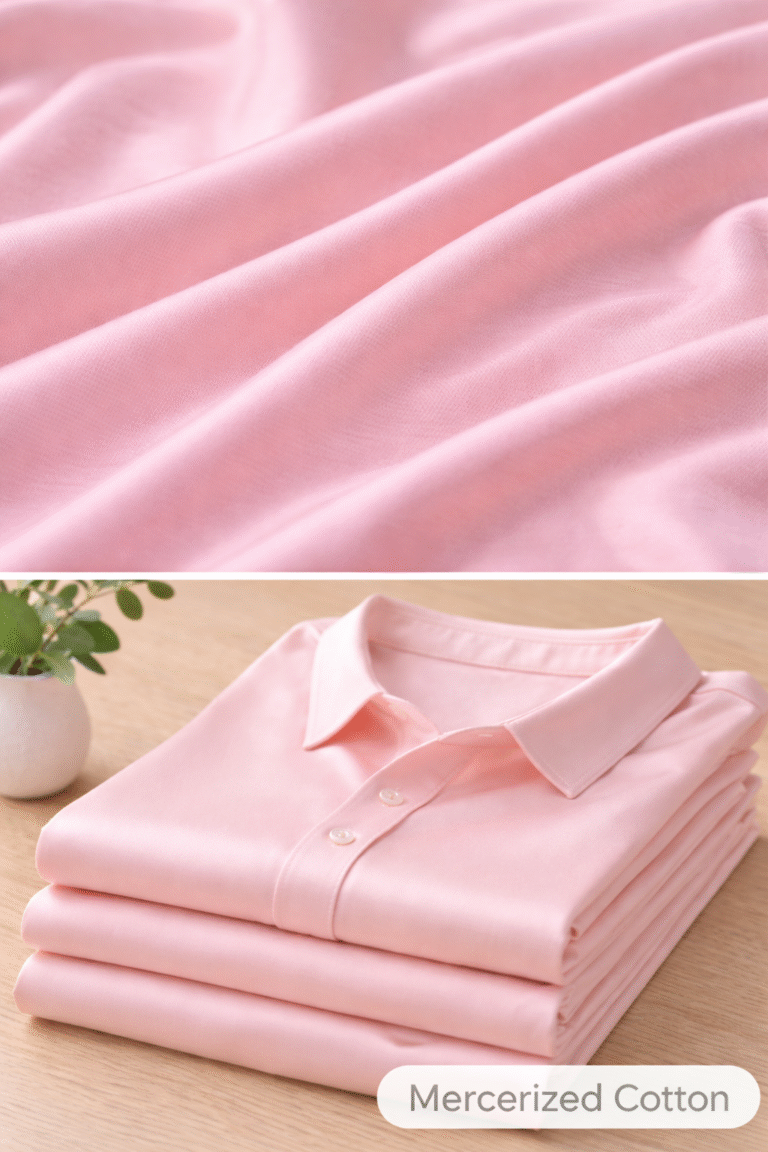
- Blended Fabrics (Cotton/Polyester, Cotton/Viscose): Look for enzyme blends designed for mixed fabrics, ensuring compatibility with both natural and synthetic fibers.
2. Match the Enzyme Type to the Sizing Agent
Not all fabrics use the same sizing formulation.
- Starch-Based Sizing: Standard α-amylase enzymes are sufficient.
- Starch with Additives (PVA, CMC, or acrylics): Enzyme-chemical combinations may be required for complete removal.
- Synthetic Sizes Only: A purely enzymatic approach may not be enough; consult with suppliers for tailored solutions.
3. Pay Attention to Processing Conditions
Each enzyme has an optimal temperature and pH range:
- High-Temperature Amylases: Ideal for continuous processing lines where fabrics are treated at elevated temperatures.
- Low-Temperature Amylases: Suitable for energy-saving processes, batch operations, or delicate fabrics that cannot withstand heat.
Selecting an enzyme that matches your processing environment ensures efficiency and fabric safety.
4. Evaluate Desired Fabric Properties
The end use of your fabric can guide enzyme selection:
- For Softness and Comfort: Gentle enzymatic desizing preserves the natural feel of cotton.
- For High-Quality Dyeing: Stronger enzyme formulations ensure thorough removal of starch to enhance dye penetration and color consistency.
5. Think About Sustainability and Cost
Enzymes not only improve fabric quality but also:
- Reduce water and energy consumption
- Lower chemical load in wastewater
- Shorten processing time when integrated with scouring or bleaching
While enzyme costs may seem higher initially, the long-term savings and sustainability benefits often outweigh traditional chemical desizing methods.
Conclusion
Choosing the right desizing enzyme for your fabric type is essential for achieving cleaner fabrics, brighter dyes, and softer textures. By considering fabric composition, sizing type, processing conditions, and sustainability goals, textile manufacturers can optimize both efficiency and fabric quality.
For expert advice and high-quality desizing enzyme solutions tailored to your textile needs, contact Meixin Biotech at connie.huang@meixinbiotech.com.
Enzyme Preparation Articles
Tips for Choosing the Right Desizing Enzyme for Your Fabric Type
How Desizing Enzymes Revolutionize Cotton Fabric Preparation
Desizing Enzymes: Essential Tools for Cleaner and Softer Fabrics
Enzymatic Desizing of Cotton Fabrics: Improving Dyeing Efficiency and Fabric Softness
The Science of Biopolishing: Enhancing Fabric Quality Through Enzymes
Biopolishing of Cotton Fabrics: Achieving Smooth, Lustrous, and Pilling-Resistant Textiles
The Role of Enzymes and Green Chemistry in Sustainable Textile Processing