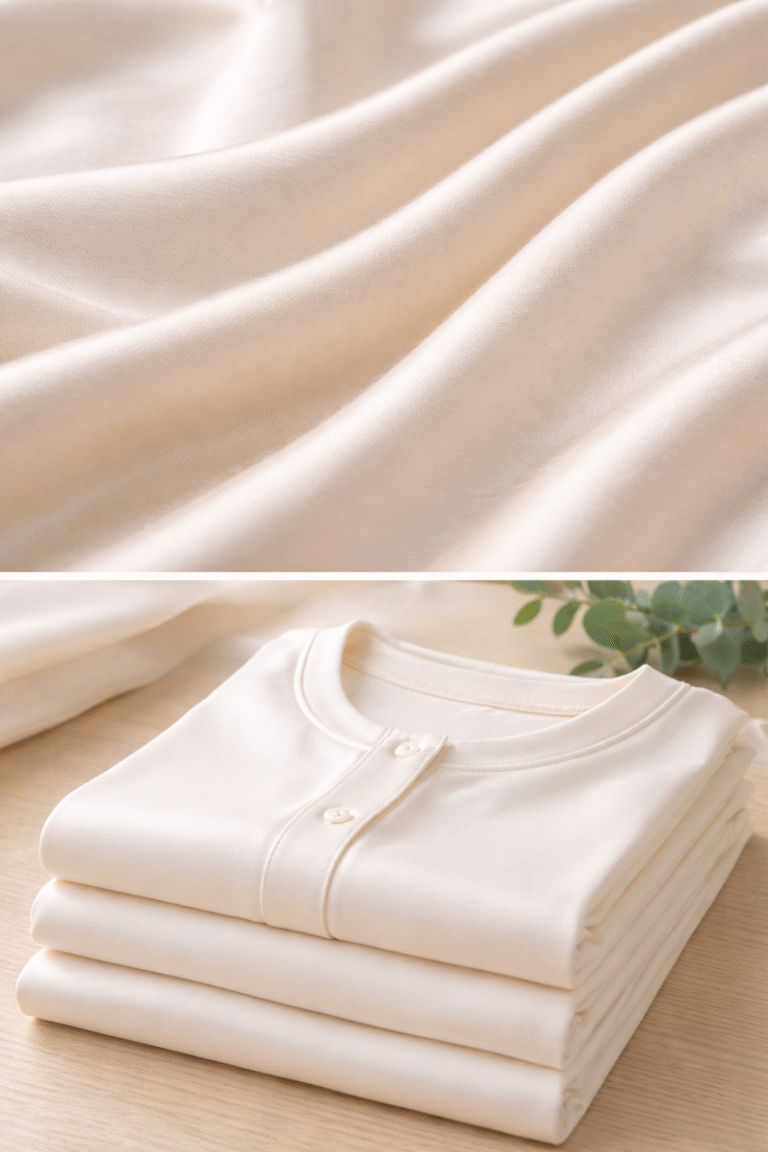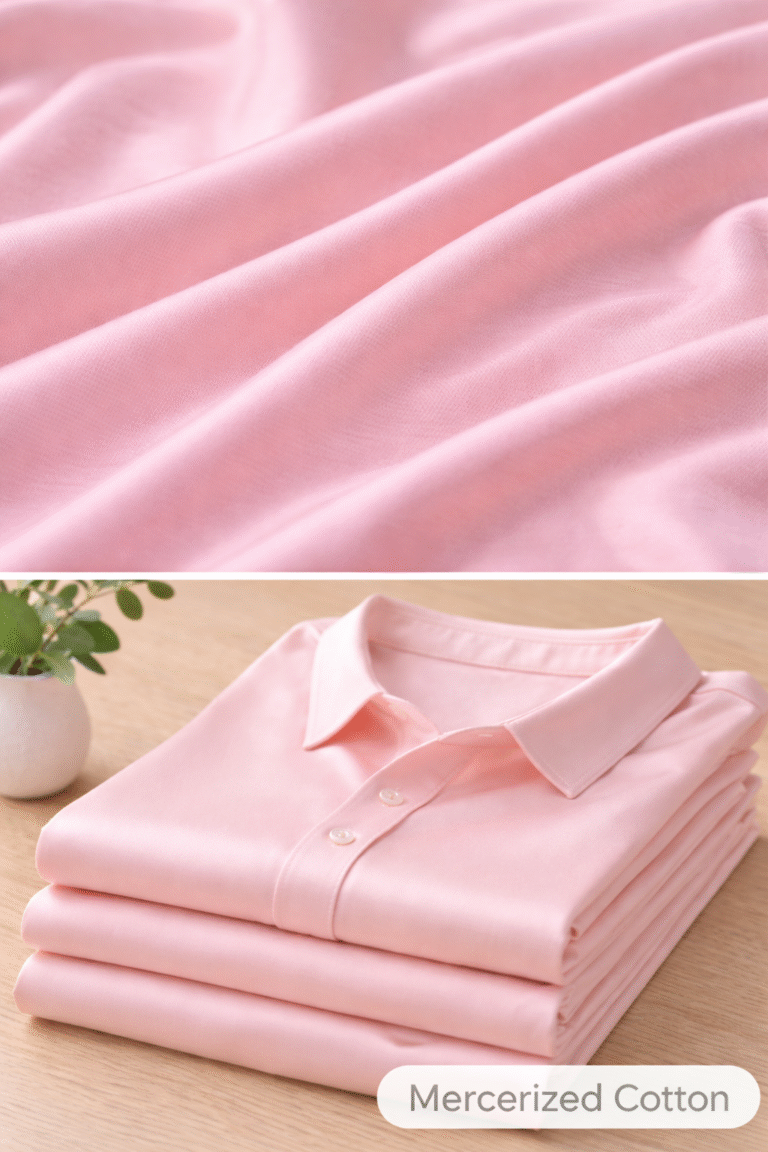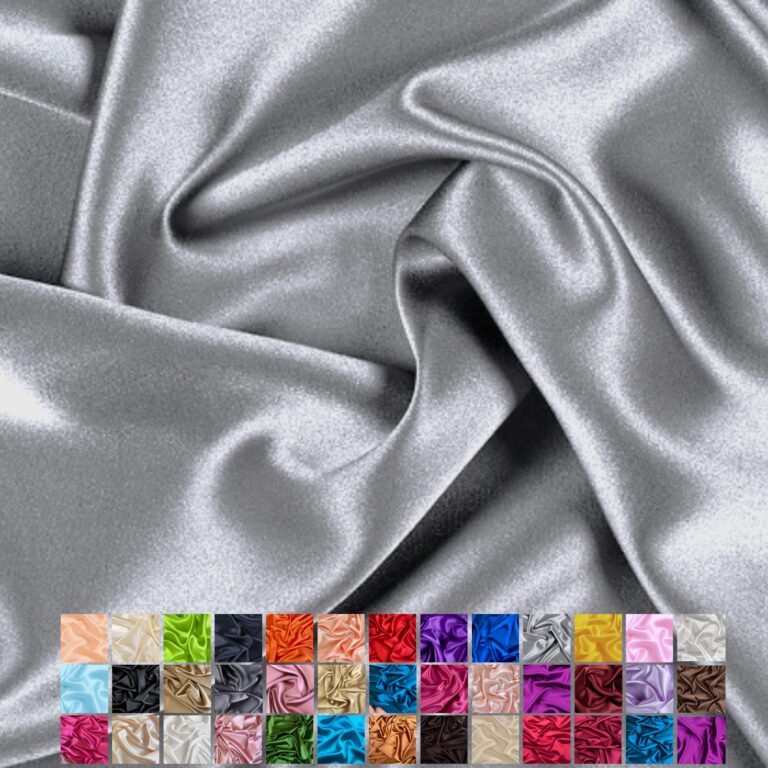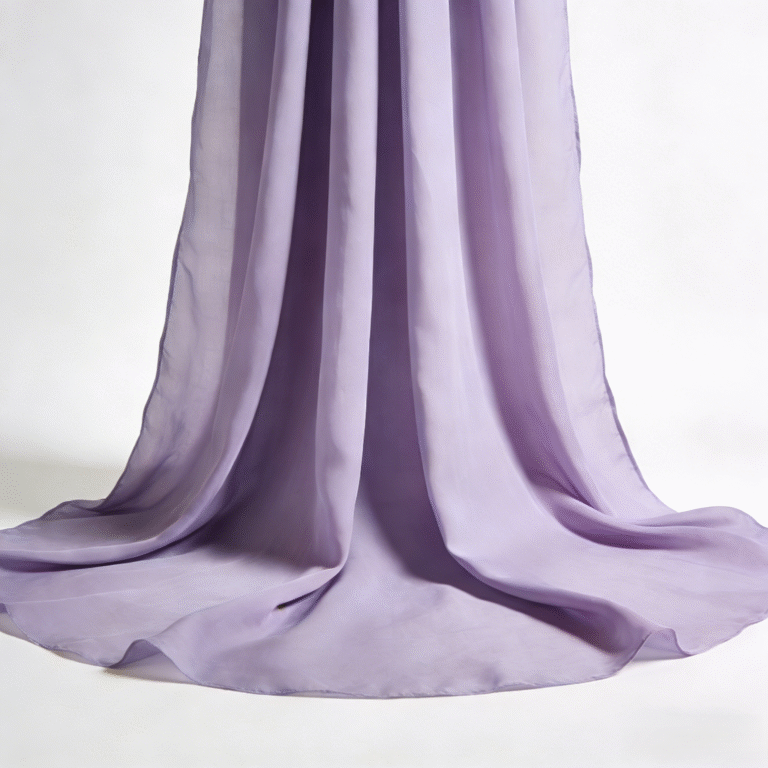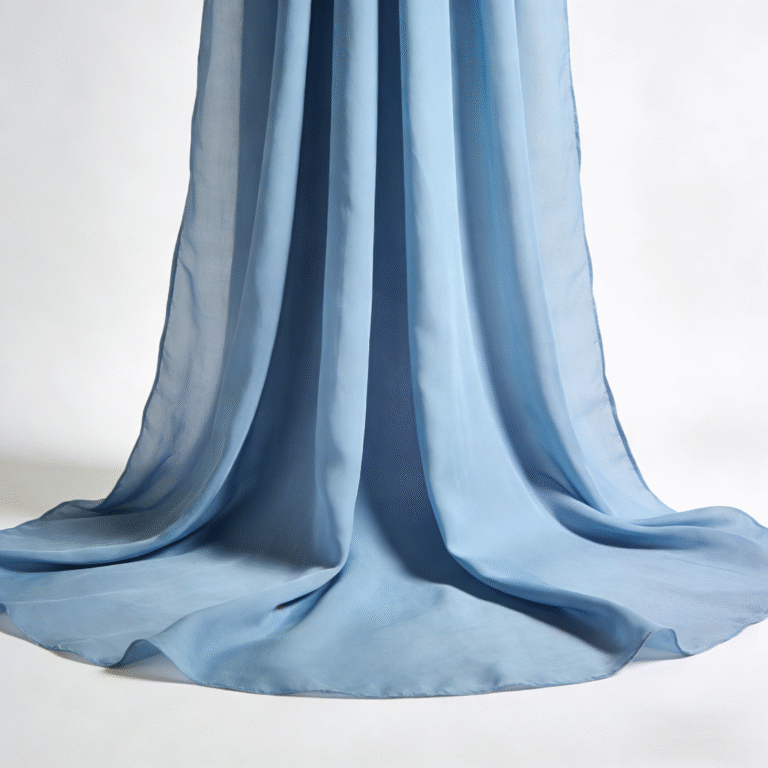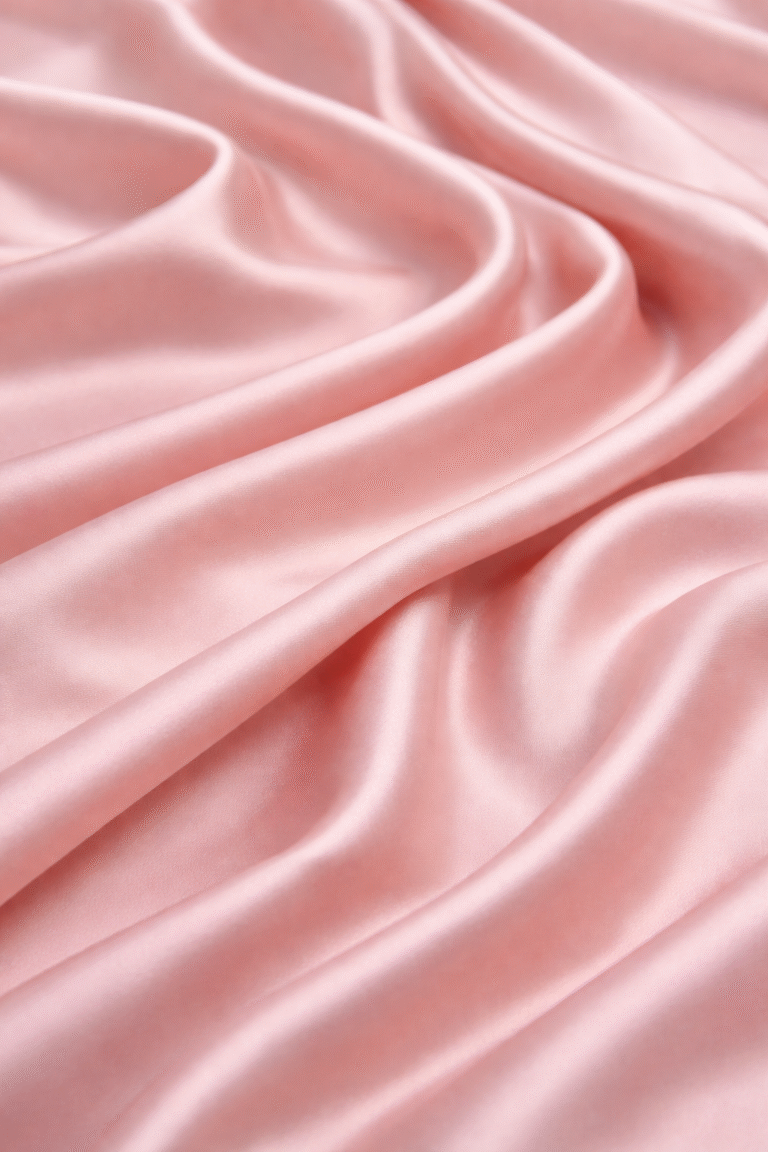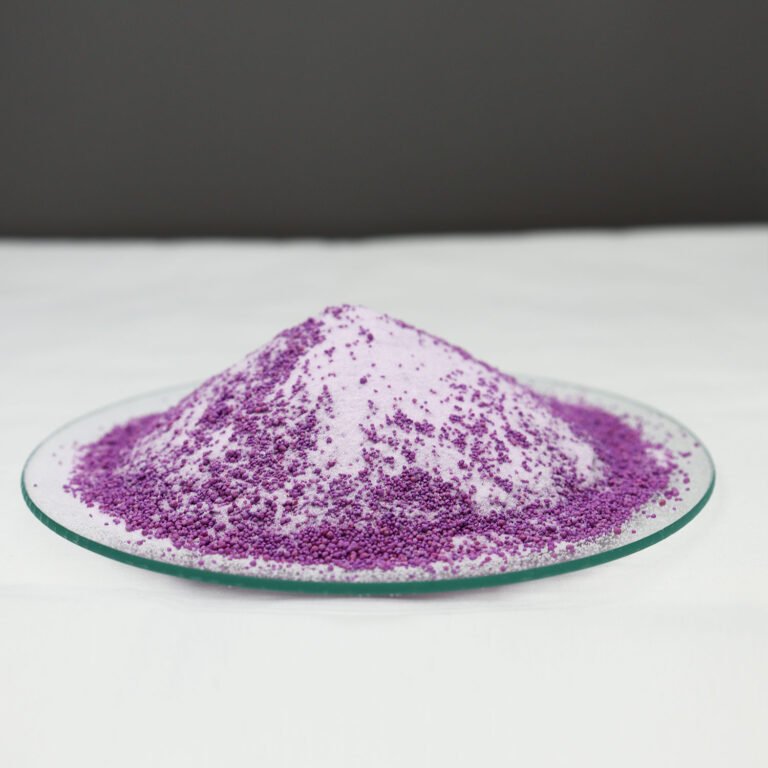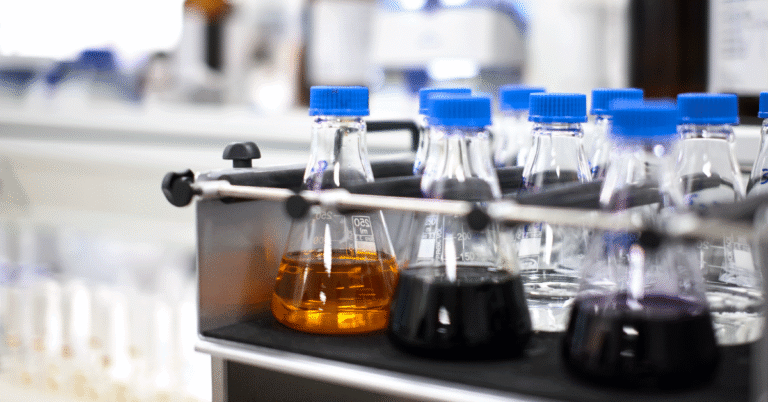
Fabric softeners are an essential part of textile care, providing softness, smoothness, and comfort. Among the various forms of softeners, fabric softener flakes have gained popularity for their versatility, ease of handling, and effectiveness in improving fabric performance. This article explores what fabric softener flakes are, how they work, and their benefits in textile finishing.
1. What Are Fabric Softener Flakes?
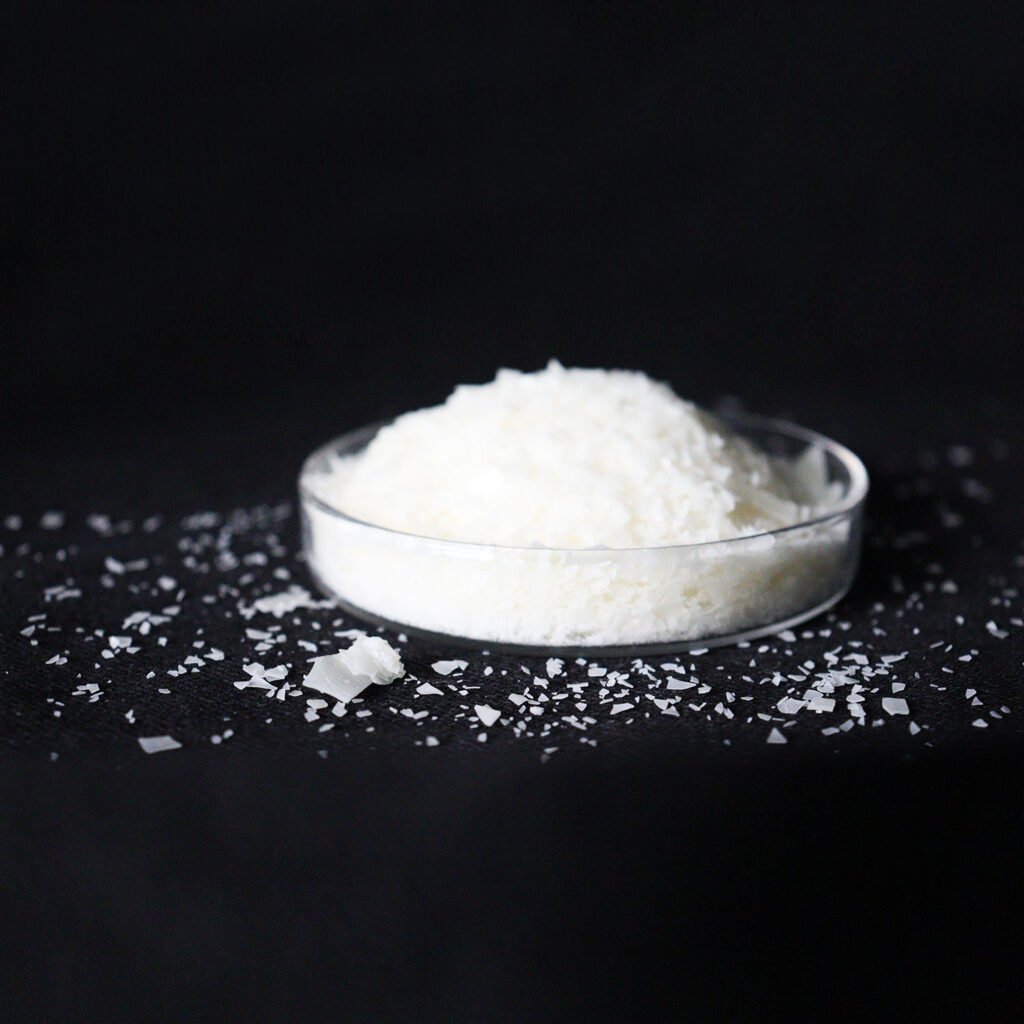
Fabric softener flakes are solid, flaked forms of fabric softening agents, typically derived from cationic surfactants or silicone compounds. Unlike liquid softeners, flakes are easier to handle, measure, and store, making them ideal for industrial and commercial textile applications.
- Composition: Can include quaternary ammonium compounds, esterified fatty acids, or silicone-based polymers.
- Form: Solid flakes that dissolve in water during the finishing or laundry process.
2. How Fabric Softener Flakes Work
Fabric softener flakes function by coating fiber surfaces with a thin, lubricating layer. Key mechanisms include:
- Reducing Fiber Friction: Flakes help fibers glide past each other, decreasing stiffness and improving softness.
- Anti-Static Effect: By neutralizing charges on synthetic fibers, they prevent static buildup.
- Enhanced Smoothness: Creates a uniform, smooth surface for garments and home textiles.
- Moisture Management: Certain flakes can help retain slight moisture, improving fabric drape and feel.
3. Advantages of Using Fabric Softener Flakes
- Ease of Storage and Handling: Solid form reduces spills and chemical waste.
- High Concentration: Flakes deliver concentrated softening effect without diluting performance.
- Controlled Dosage: Allows precise measurement for consistent fabric care results.
- Compatibility: Can be used in combination with other finishing agents like anti-wrinkle or antibacterial chemicals.
4. Applications in Textile Care
Fabric softener flakes are used across many textile processes:
- Apparel Finishing: Shirts, trousers, knitwear, and delicate fabrics for enhanced softness and hand-feel.
- Home Textiles: Towels, bed linens, and upholstery to maintain comfort and reduce static.
- Industrial Laundry: For hotels, hospitals, and commercial laundry operations where consistent quality is key.
- Fabric Manufacturing: Integrated into textile finishing lines to deliver softness and performance before packaging.
5. Best Practices for Using Fabric Softener Flakes
- Dissolve flakes completely in water before application.
- Adjust concentration according to fabric type and desired softness level.
- Combine with other finishing agents carefully to avoid chemical incompatibility.
- Ensure uniform application to avoid uneven softness or streaking.
Conclusion
Fabric softener flakes are a versatile and effective solution for improving textile softness, smoothness, and performance. Their ease of handling, controlled dosage, and compatibility with other finishing agents make them an essential tool for both industrial textile processing and commercial laundry operations.
For more information on fabric softener flakes and advanced textile care solutions, contact Meixin Biotech at connie.huang@meixinbiotech.com.
Softening Auxiliaries Articles
How Fabric Softener Flakes Improve Hand Feel in Garment Finishing
Silicone Softener Beads vs. Emulsions: Pros and Cons for Textile Finishing
Softergent Flakes vs. Liquid Softeners: Which Should You Use?
Top 5 Applications of Silicone-Based Softeners in Modern Textile Processing
How Silicone Softening Beads Improve Fabric Feel and Process Efficiency
Silicone Fabric Softener vs. Traditional Softeners: Which Is Better?
What Is a Silicone Softener for Textiles? Benefits, Types & Applications
Understanding Fabric Softener Flakes: Types, Usage & Key Advantages
Does Silicone Softener Affect Color Fastness? Application Tips for Garment Dyeing
How to Apply Silicone Fabric Softeners in Dyeing & Finishing Processes
Where to Buy High-Quality Silicone Softener for Textiles (2025 Guide)
How to Choose the Right Silicone Fabric Softener for Cotton, Polyester & Blends
Top Exporters & Manufacturers of Silicone Softening Beads in China
Understanding Fabric Softener Flakes and Their Role in Textile Care
Is Bead-Type Softener Suitable for Export? 5 Key Questions + Packaging, Storage & Transport Tips
5 Key Questions to Ask Before Buying Silicone Softeners for Garment Production
How High-Concentration Softeners Help Garment Factories Reduce Production Costs
Bead vs. Liquid Silicone Softeners: Which Is Better for Mass Fabric Processing?
Eco-Friendly Silicone Fabric Softeners: Are They Worth the Switch?
FAQs About Silicone Softener for Textiles: Everything Importers Need to Know