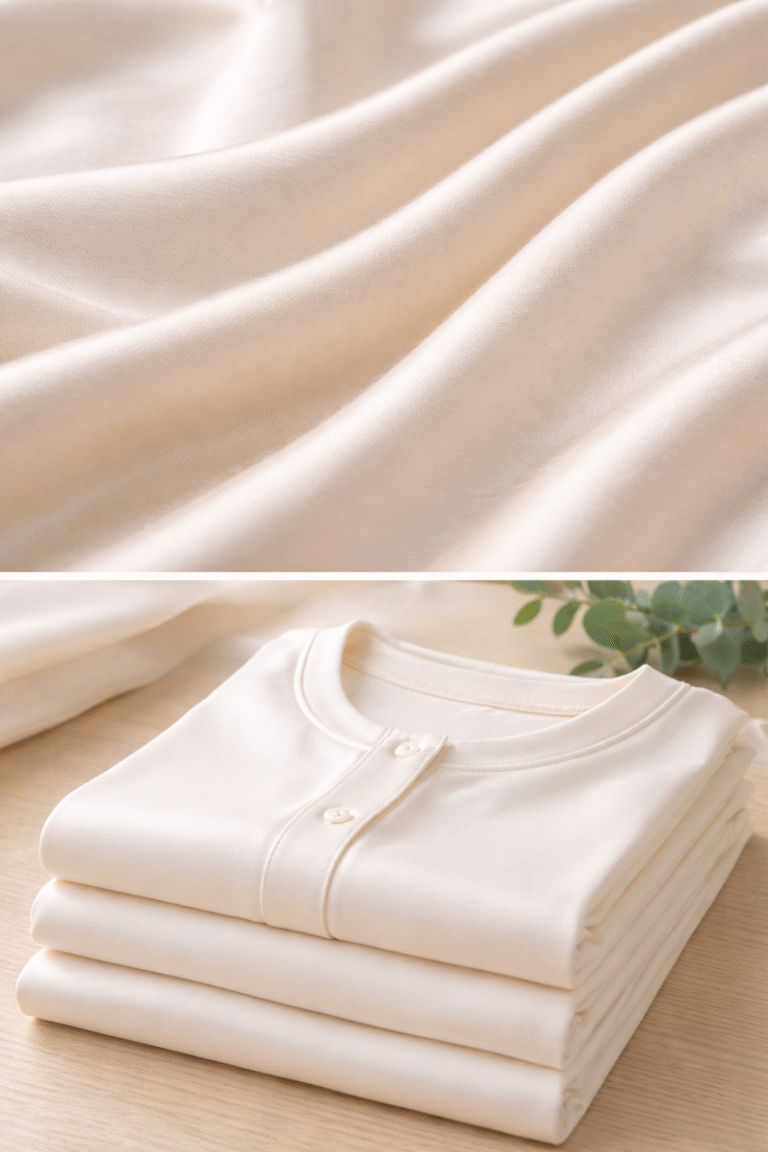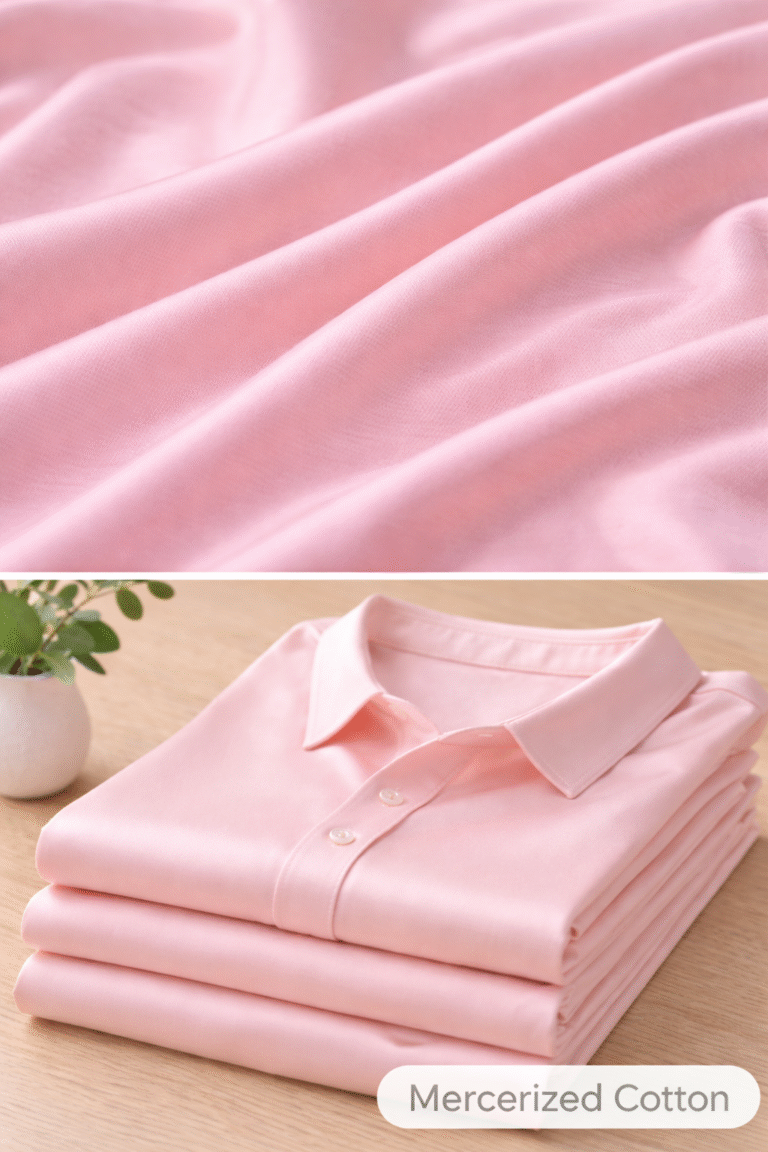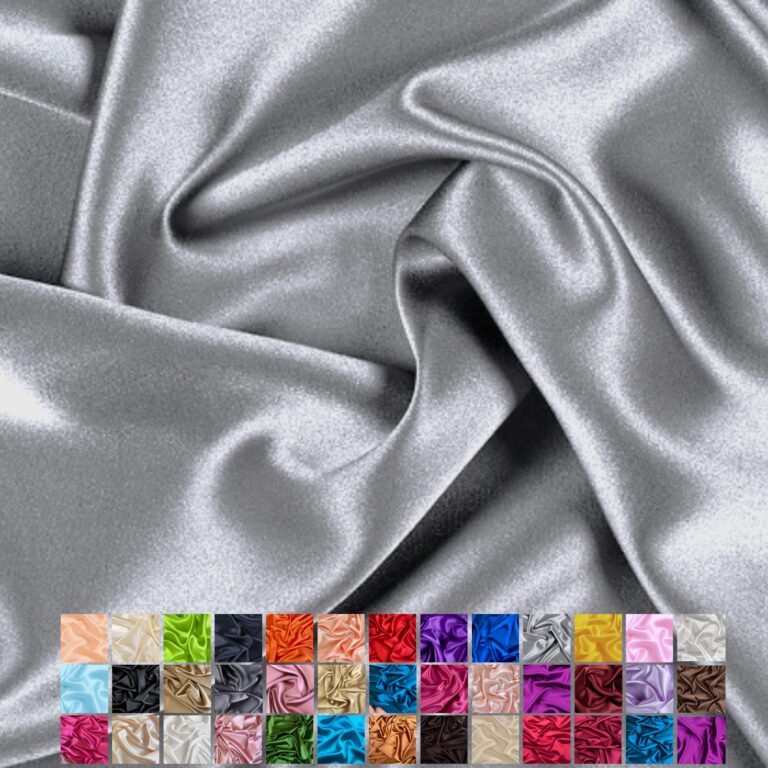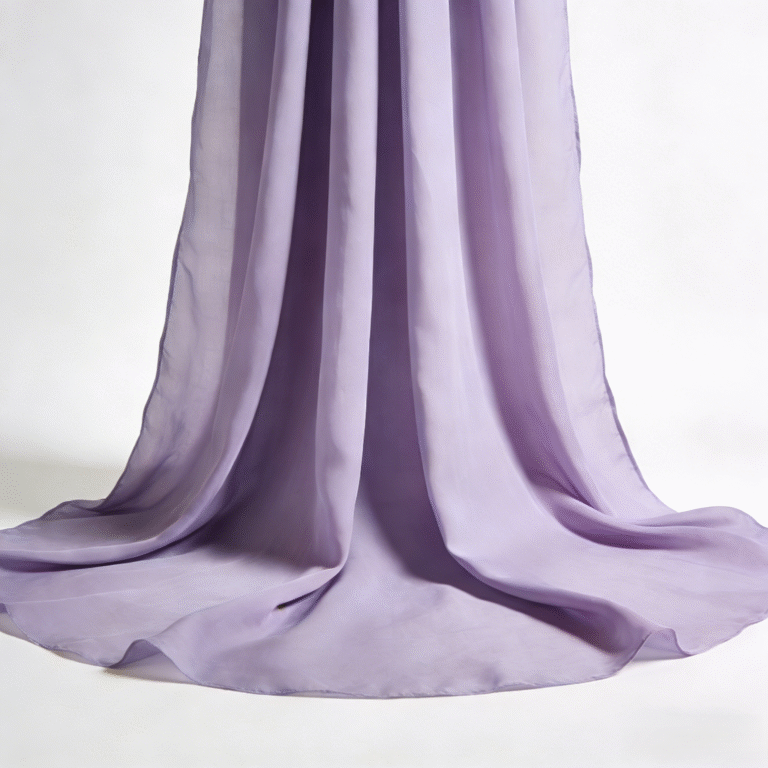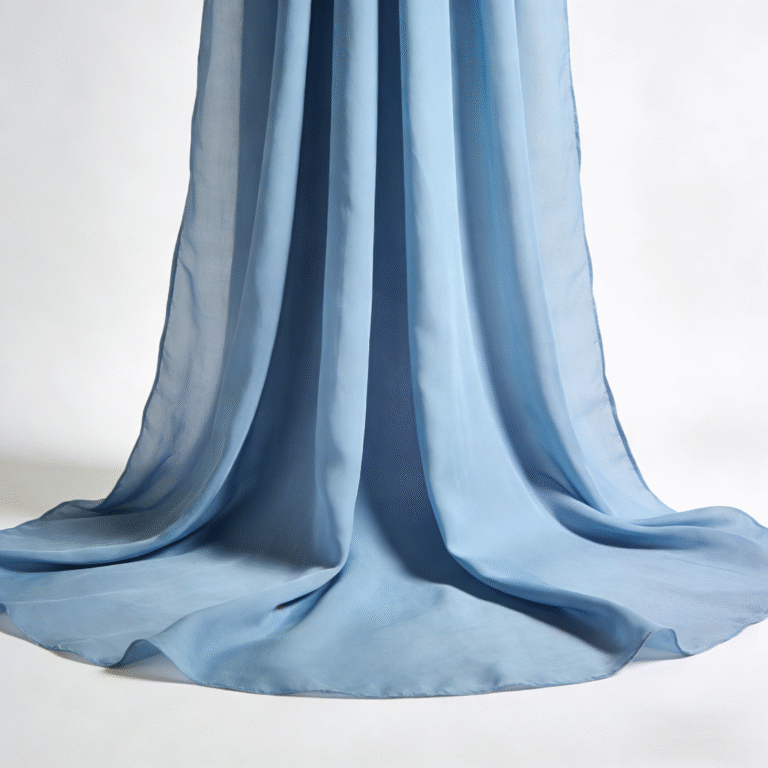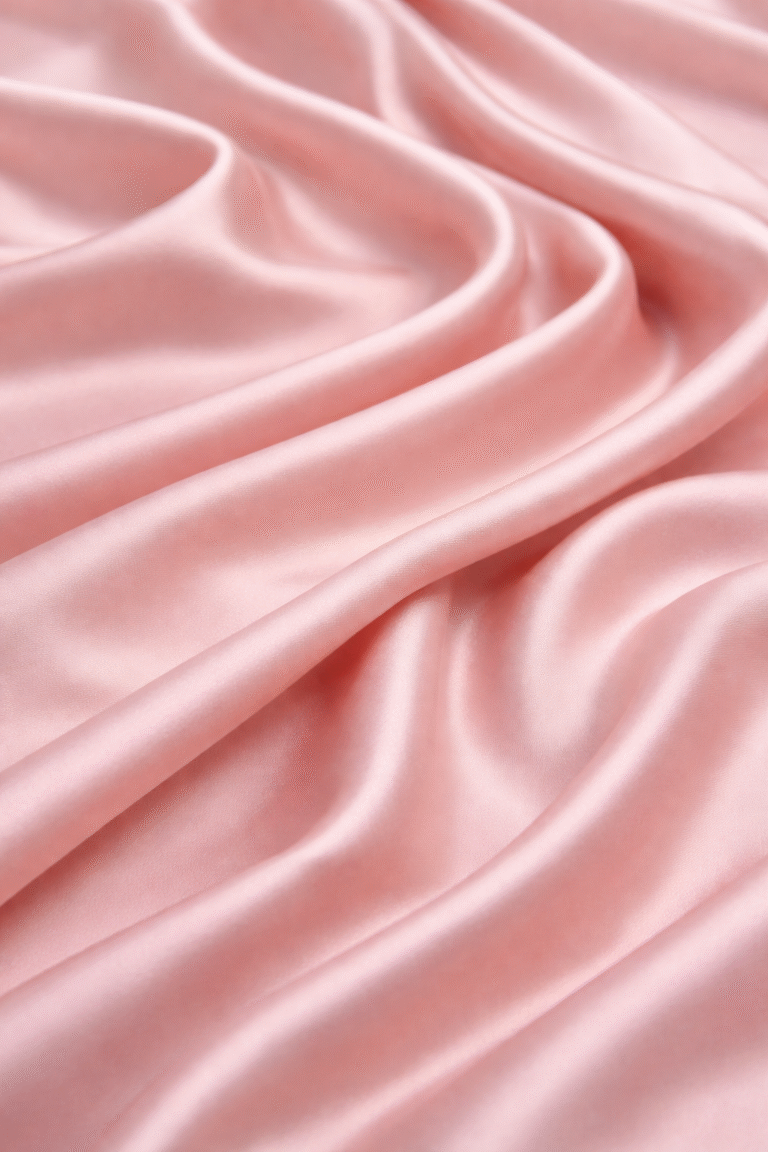
Viscose fabric, often referred to as “artificial silk,” is a semi-synthetic textile made from natural cellulose fibers, primarily derived from wood pulp. Developed in the late 19th century, viscose combines the luxurious feel of natural fibers with the versatility of synthetics, making it a popular choice in fashion, home textiles, and industrial applications.
What is Viscose Fabric?
Viscose is created through a chemical process that transforms cellulose into a soluble compound, which is then spun into fibers. While it originates from natural materials, the chemical treatment gives it properties similar to both natural and synthetic fabrics. This blend of characteristics has earned viscose a unique place in the textile industry.
Key Properties of Viscose Fabric
- Soft and smooth texture – resembles silk in feel.
- Breathable – allows air circulation, making it comfortable for warm climates.
- Highly absorbent – can easily take up dyes, resulting in vibrant colors.
- Lightweight – ideal for flowing garments and drapes.
Advantages of Viscose Fabric
- Comfortable to Wear
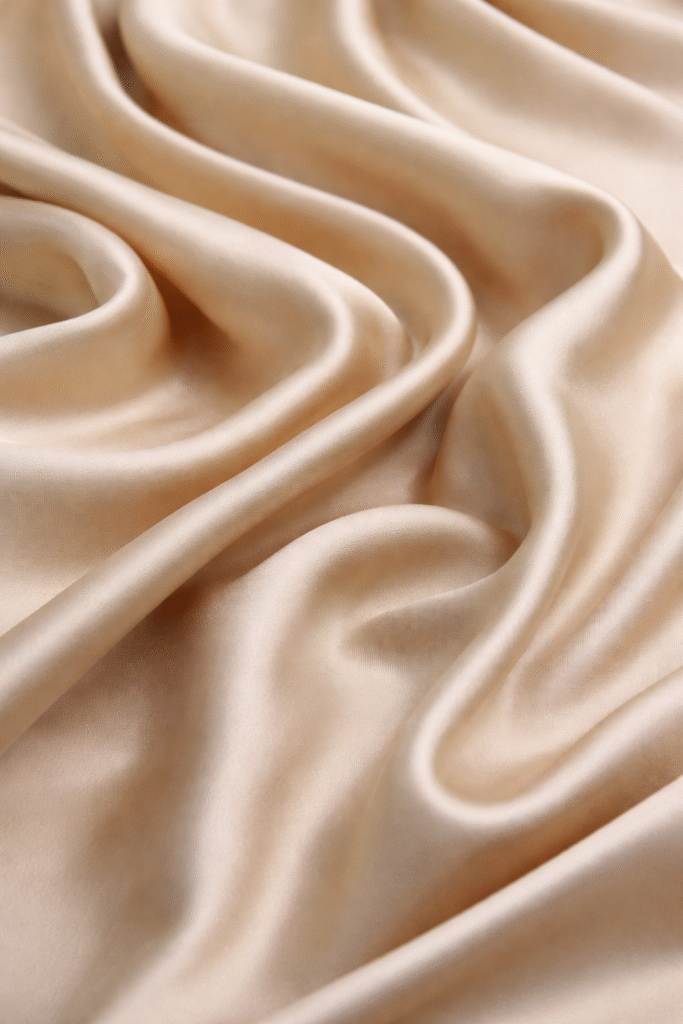
Viscose is soft, smooth, and lightweight, which makes it ideal for clothing such as dresses, blouses, and lingerie. Its breathable nature also helps in regulating body temperature. - Versatile and Stylish
The fabric drapes beautifully, offering designers the flexibility to create elegant, flowing garments. It can mimic the appearance of silk, cotton, wool, or linen depending on the finish. - Easy to Dye
Viscose readily absorbs dyes, allowing for bright, uniform, and long-lasting colors. This makes it popular for colorful fashion pieces and printed fabrics. - Eco-Friendly Origins
Although chemically processed, viscose comes from renewable natural resources like wood pulp, which is more sustainable than petroleum-based synthetic fibers. - Affordable Alternative to Silk
With its silky texture and sheen, viscose provides a luxurious feel at a fraction of the cost of real silk, making it accessible for a broader audience.
Disadvantages of Viscose Fabric
- Prone to Wrinkling
Viscose tends to crease easily, which may require frequent ironing or steaming to maintain a neat appearance. - Weak When Wet
The fabric loses strength when wet, making it prone to stretching, tearing, or shrinking during washing if not handled carefully. - Environmental Concerns
While made from natural sources, the production of viscose involves chemicals like carbon disulfide, which can be harmful if not properly managed. Sustainable production methods are increasingly being adopted to mitigate these concerns. - Limited Durability
Compared to fabrics like cotton or polyester, viscose may wear out faster, especially when exposed to frequent friction or heavy use.
Conclusion
Viscose fabric offers an elegant, soft, and breathable textile option that bridges the gap between natural and synthetic fibers. Its luxurious texture, vibrant dyeability, and versatile use make it a staple in fashion and home textiles. However, it comes with certain limitations, including susceptibility to wrinkles, reduced wet strength, and special care requirements.
For businesses and consumers seeking quality viscose textiles, partnering with experienced suppliers ensures high-performance and responsibly produced fabric. Companies like Meixin Biotech, founded in 2005 and based in Zhongshan, Guangdong, specialize in textile chemicals that enhance the performance and sustainability of fibers like viscose. You can reach out to Meixin Biotech at connie.huang@meixinbiotech.com for expert guidance on viscose fabric applications and treatments.