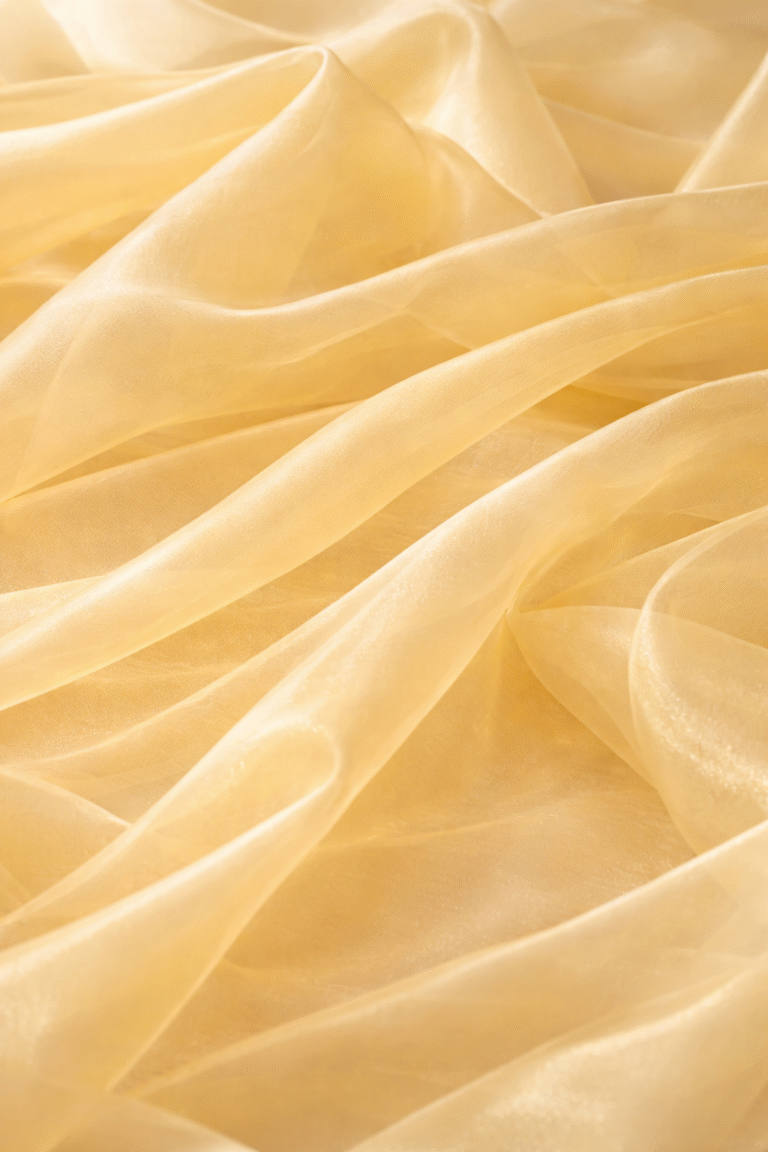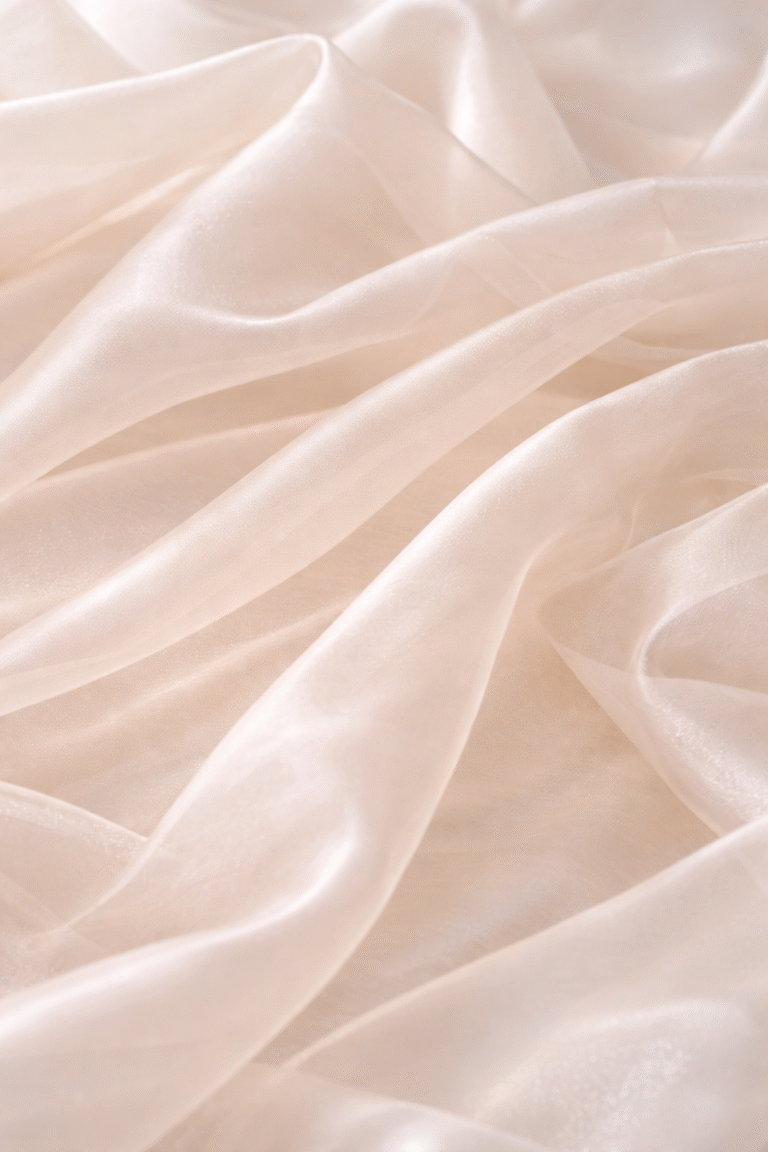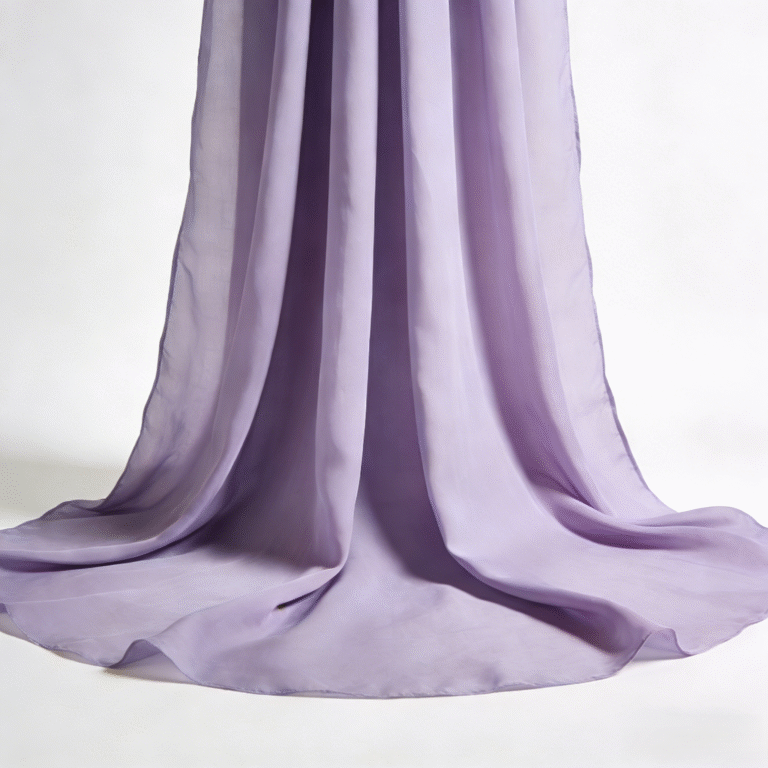
Organza is a luxurious, lightweight, sheer fabric widely used in bridal gowns, evening wear, home décor, and high-end fashion. Its delicate transparency, subtle sheen, and crisp texture make it highly desirable—but also relatively expensive compared to many other fabrics. Understanding the factors behind the cost can help buyers and designers appreciate its value.
1. Labor-Intensive Production Process
Organza is traditionally woven using a plain weave from very fine threads, often silk or high-quality synthetic fibers. The production requires high precision because the fabric is lightweight and sheer; even minor inconsistencies can ruin its appearance.
- Silk organza, in particular, involves harvesting silk fibers, reeling, and weaving on specialized looms.
- Skilled labor is needed to control tension and weaving density, ensuring the fabric maintains its crispness and translucency.
This labor-intensive process directly contributes to higher costs.
2. High-Quality Materials
The type of fiber used in organza heavily influences its price:
- Silk Organza: The most luxurious and costly, made from long, continuous silk filaments.
- Polyester or Nylon Organza: More affordable but still requires high-quality synthetic fibers to maintain transparency and sheen.
Natural silk fibers are expensive to produce, and careful selection of silk or synthetic filaments adds to the final price of the fabric.
3. Finishing and Treatments
After weaving, organza often undergoes special finishing treatments to enhance its appearance and performance:
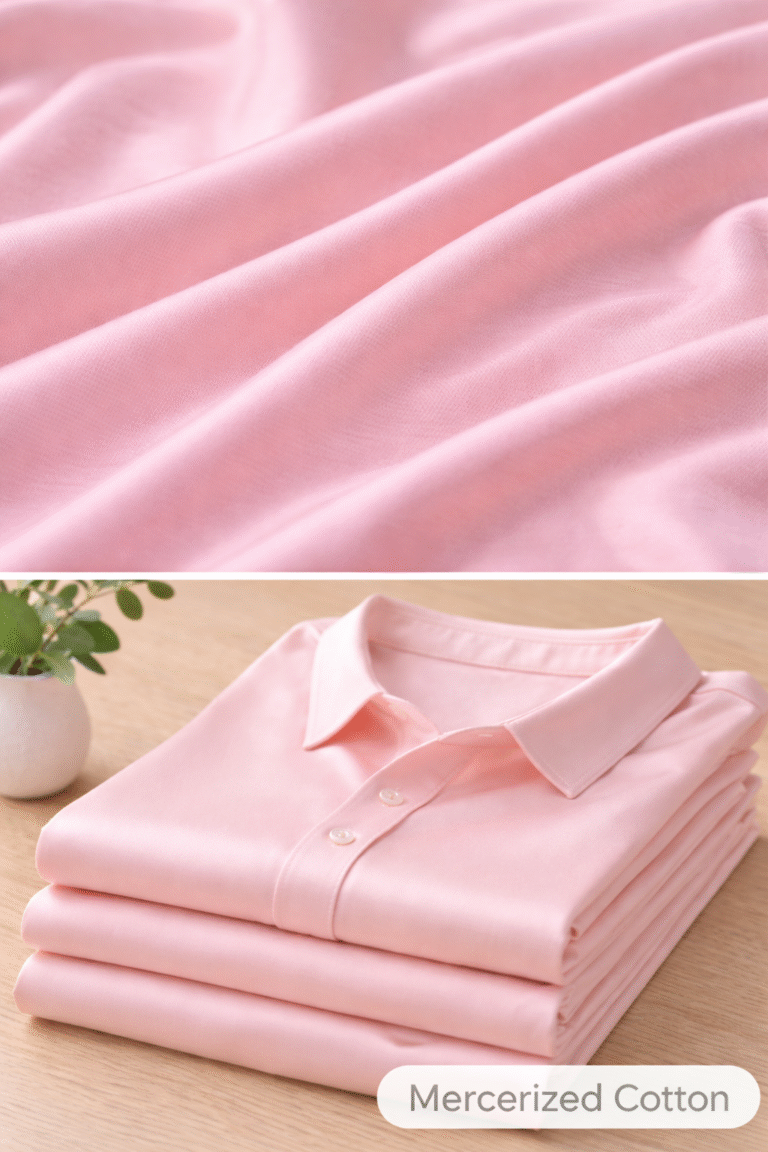
- Mercerization or calendaring for added sheen and smoothness
- Stiffening treatments to maintain crispness and structure
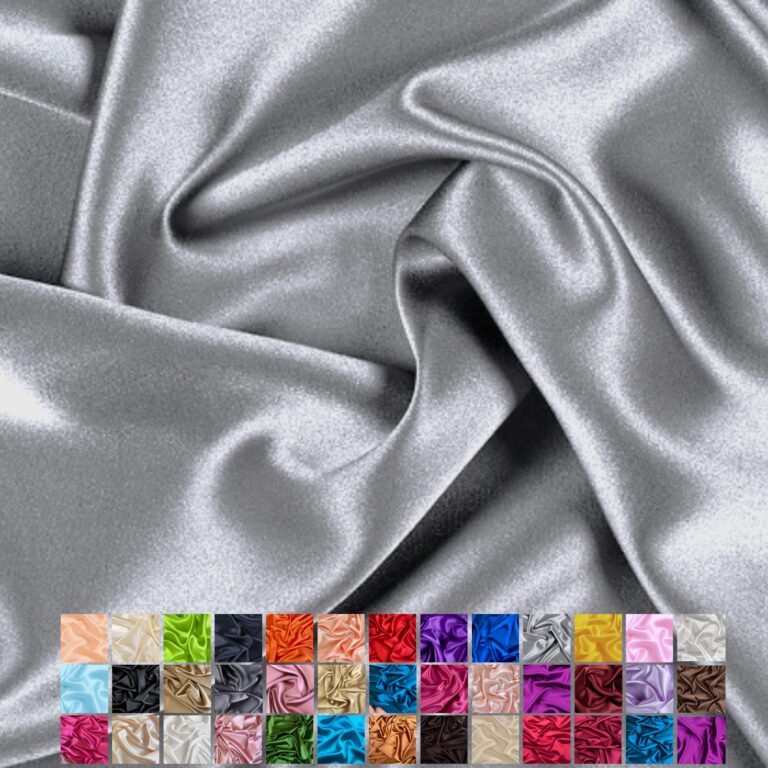
- Coloring or printing to achieve vibrant, even hues
These finishing processes require chemicals, skilled labor, and precise control, which add to production costs.
4. Fragility and Waste
Because organza is very lightweight and delicate, a small mistake during weaving, cutting, or handling can lead to waste. Manufacturers often lose part of the fabric due to tears, snags, or inconsistencies, which increases the cost per usable yard.
5. Specialty and Luxury Positioning
Organza is a high-end fabric often associated with luxury garments and bridal wear. Its pricing reflects not only production costs but also its position in the market:
- Used in wedding gowns, evening dresses, and decorative overlays, where quality and appearance are critical
- Rare silk organza pieces may be handwoven or produced in limited quantities, adding exclusivity
This luxury positioning makes it more expensive than standard textiles like cotton, polyester, or chiffon.
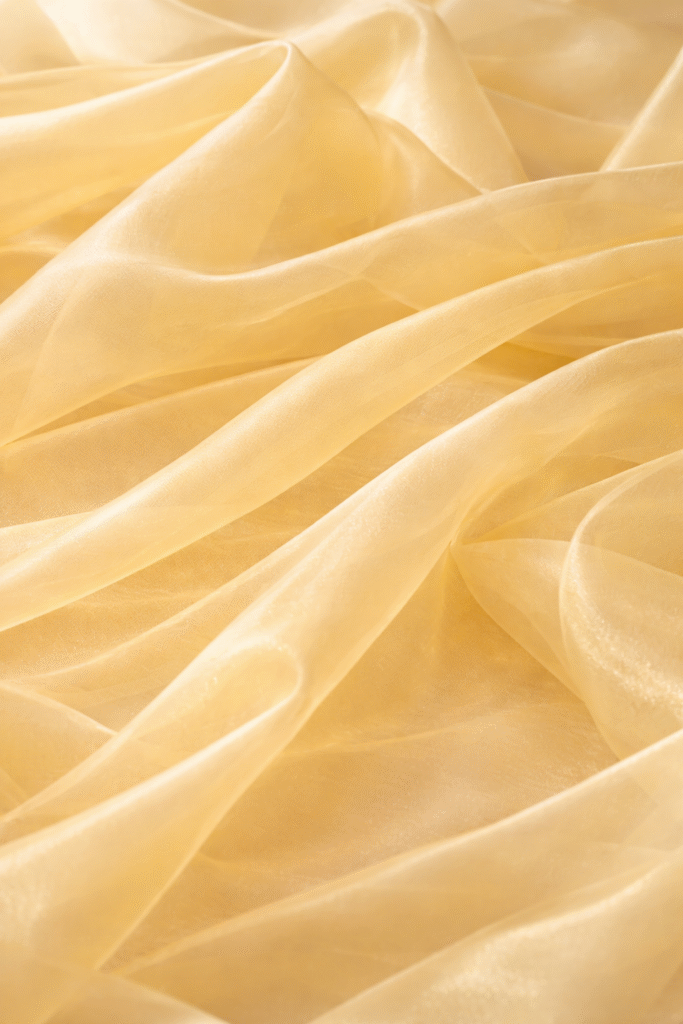
Conclusion
Organza’s high cost is justified by a combination of factors: labor-intensive weaving, premium fibers, finishing treatments, fragility, and its luxury status in fashion and décor. Its delicate texture, luminous sheen, and ability to hold elegant shapes make it a fabric worth the investment for designers, bridal wear, and decorative applications.
For manufacturers looking to enhance organza quality and consistency, chemical treatments and textile auxiliaries can improve strength, color retention, and handle. Meixin Biotech, founded in 2005 and based in Zhongshan, Guangdong, specializes in textile chemicals for high-end fabrics like organza, offering technical support and customized solutions. For inquiries, contact connie.huang@meixinbiotech.com.