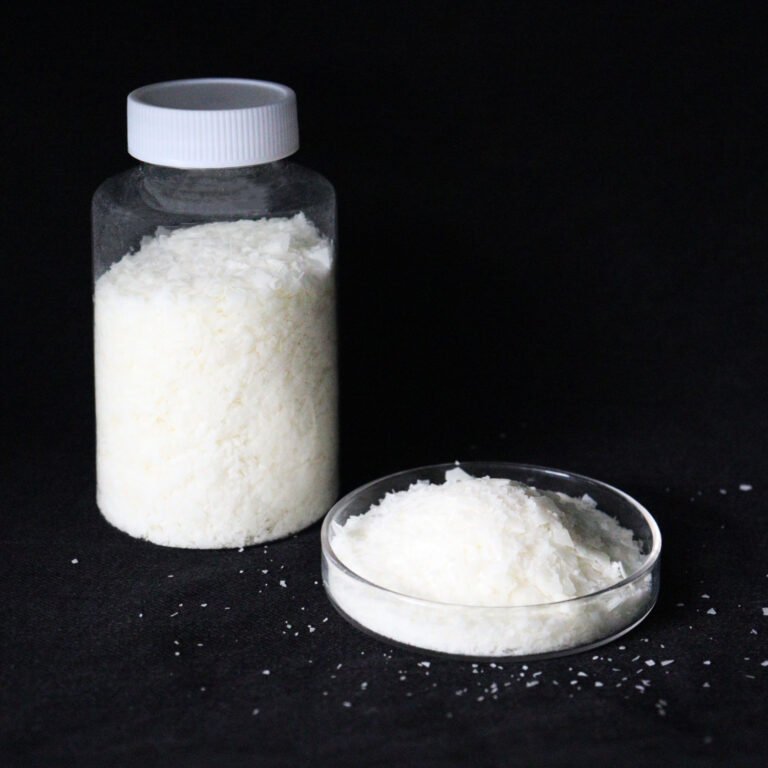
In today’s fast-paced lifestyle, consumers look for fabrics that not only feel soft but also remain smooth and easy to maintain. Wrinkle-free fabric softeners are widely used in the textile finishing process to meet this demand. But what exactly makes these chemicals work? Let’s dive into the science behind wrinkle-free softeners and why they matter in modern textiles.
What Are Wrinkle-Free Fabric Softeners?
Wrinkle-free fabric softeners are chemical finishing agents designed to improve a fabric’s softness while reducing the formation of wrinkles during wear and washing. Unlike traditional softeners that focus mainly on feel, wrinkle-free formulations combine softening and anti-crease properties for long-lasting comfort.
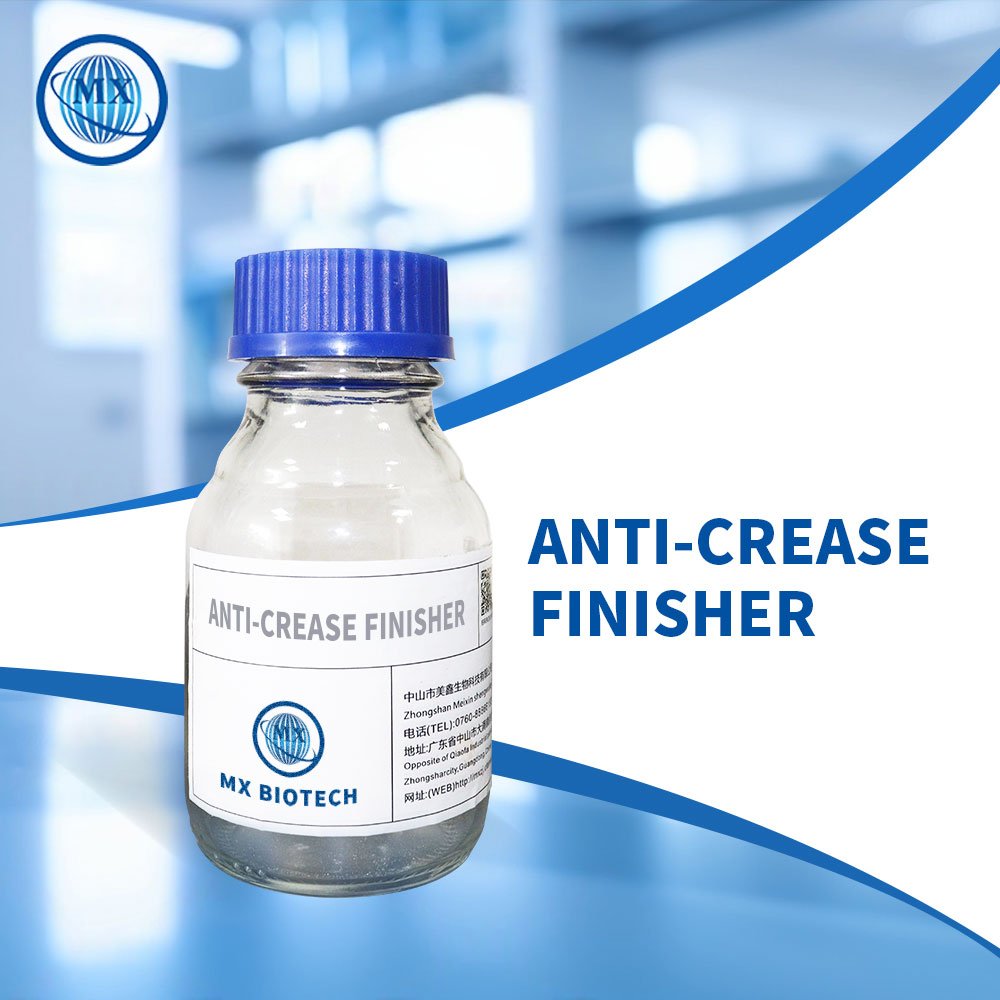
The Chemistry Behind Wrinkle Resistance
- Crosslinking Agents
Many wrinkle-free finishes use mild crosslinking chemistry. These agents create bonds between cellulose molecules in cotton fibers, stabilizing the fabric’s structure and reducing the likelihood of creasing. - Silicone-Based Softeners
Silicone derivatives coat the fiber surface with a smooth, flexible layer. This not only makes the fabric soft to the touch but also minimizes friction between fibers, helping garments recover quickly after folding or washing. - Cationic Surfactants
These chemicals reduce static electricity and enhance the fabric’s smoothness. They also aid in even distribution of the softener across the textile surface. - Moisture Control Additives
By regulating the moisture content within fibers, some wrinkle-free softeners help fabrics resist setting into hard creases under pressure.
Benefits for the Textile Industry
- Improved Appearance: Fabrics stay neat and professional-looking with fewer wrinkles.
- Enhanced Comfort: Silky softness and reduced stiffness improve wearability.
- Time-Saving: End-users spend less time ironing and maintaining garments.
- Extended Fabric Life: Reduced mechanical stress during ironing helps prolong garment durability.
Applications of Wrinkle-Free Softeners
- Cotton Shirts and Trousers – for crisp, smooth looks.
- Bed Linen and Home Textiles – for easy-care comfort.
- Workwear and Uniforms – for professional appearance with minimal upkeep.
- Blends of Cotton/Polyester – for optimal softness and wrinkle resistance.
Conclusion
Wrinkle-free fabric softeners combine advanced chemistry with textile innovation to deliver comfort, durability, and style. By integrating these agents into finishing processes, textile manufacturers can meet growing consumer demand for easy-care fabrics without compromising quality.
For more information about wrinkle-free fabric softeners and other textile finishing solutions, please contact Meixin Biotech at connie.huang@meixinbiotech.com.
Functional Auxiliaries Articles
How Antimicrobial Treatments Extend the Life and Performance of Fabrics
The Role of Antimicrobial Finishing Agents in Healthcare and Sportswear
Antibacterial Textile Chemicals: Ensuring Hygiene and Safety in Modern Fabrics
The Benefits of Wrinkle-Free Fabric Softeners for Everyday Textiles
How Wrinkle-Free Fabric Softeners Work: Chemistry Behind the Comfort
Anti-Pilling Treatments: Key Chemicals and Their Applications in Textiles
The Science Behind Anti-Pilling Agents: Keeping Clothes Smooth and New