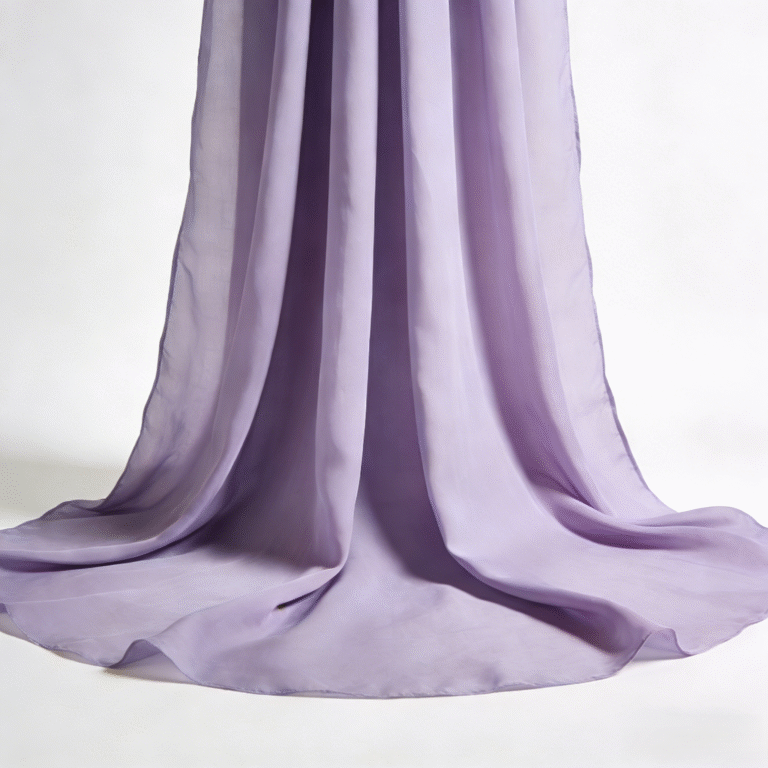
Organza and chiffon are two popular lightweight, sheer fabrics commonly used in fashion, bridal wear, and decorative textiles. While both fabrics are elegant and translucent, they have distinct properties, textures, and applications. Understanding the differences between organza and chiffon can help designers, manufacturers, and consumers choose the right fabric for their projects.
Overview of Organza
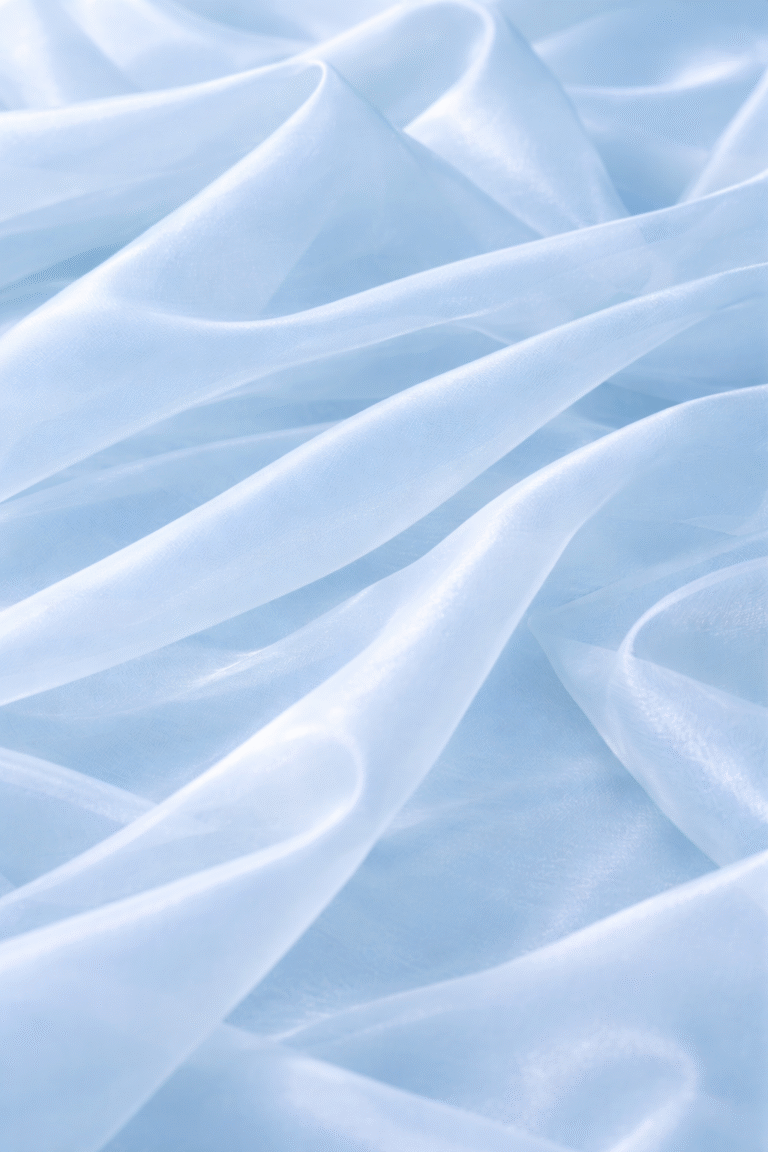
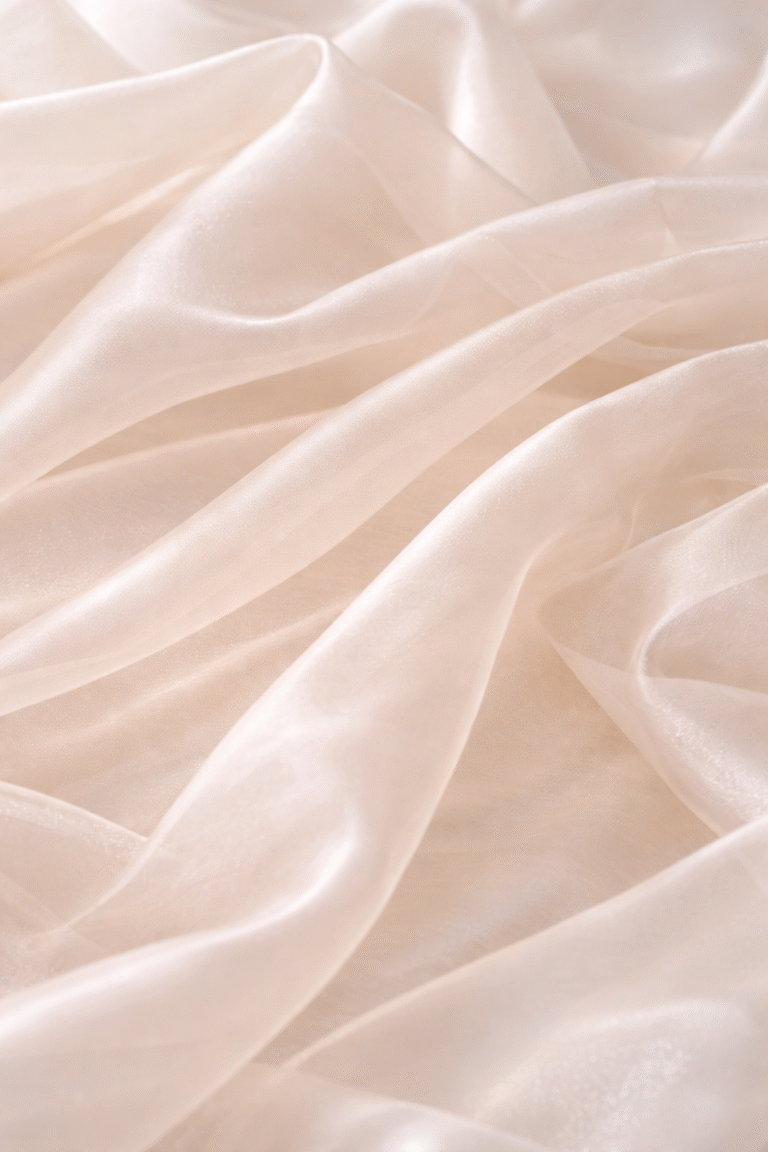
Organza is a crisp, lightweight, and sheer fabric with a subtle shine. Traditionally made from silk, it can also be produced from synthetic fibers like polyester or nylon. Organza is known for its stiffness and ability to hold shape, making it ideal for creating structured garments and layered designs.
Key Features of Organza:
- Sheer and translucent
- Crisp, slightly stiff texture
- Subtle reflective sheen
- Holds shape and structure well
- Often used in overlays, skirts, bridal gowns, and decorative accents
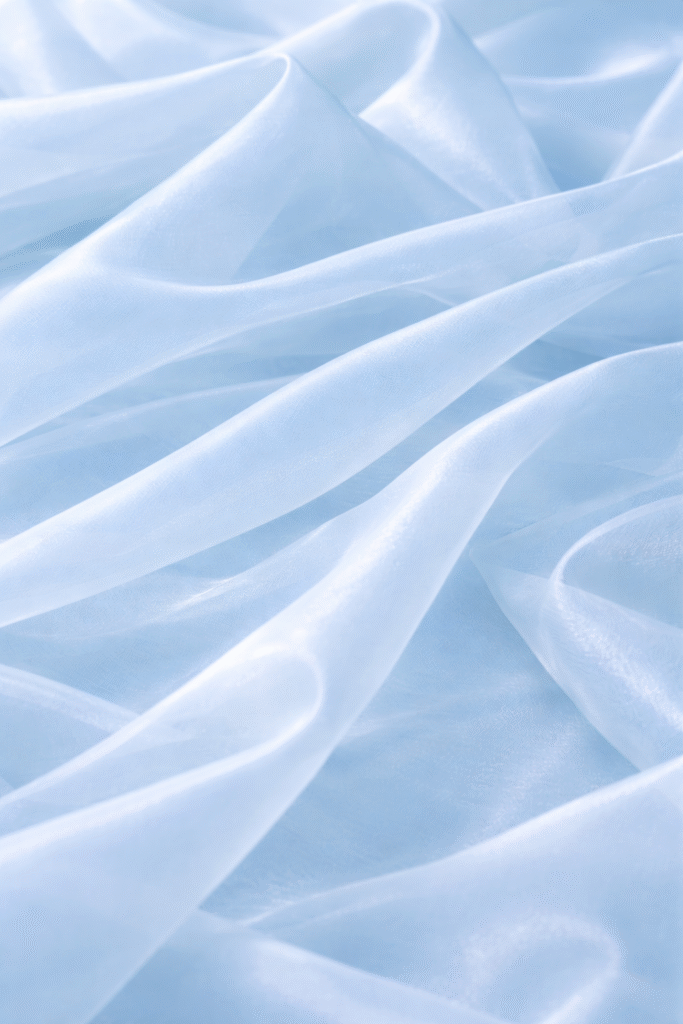
Overview of Chiffon
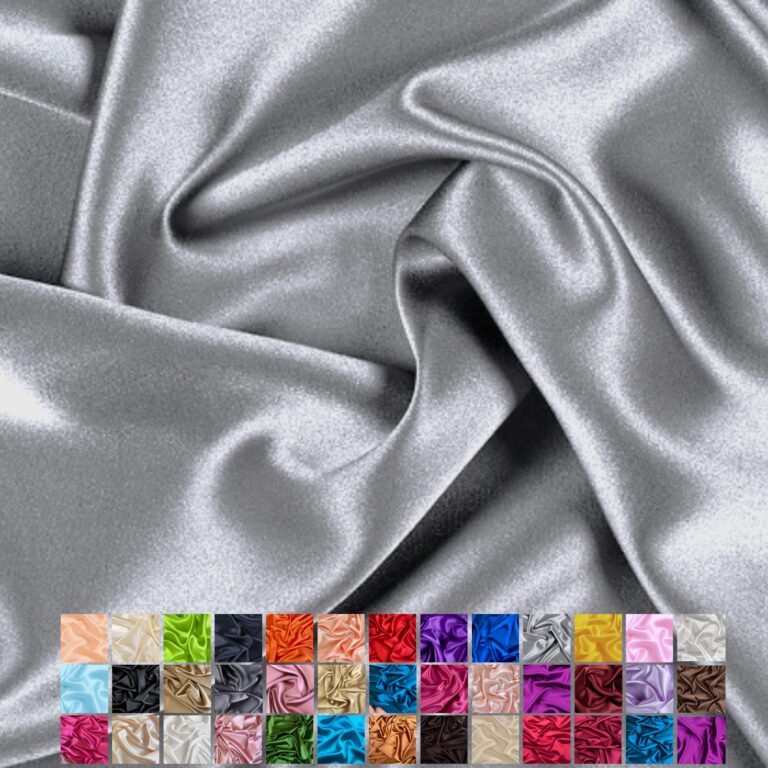
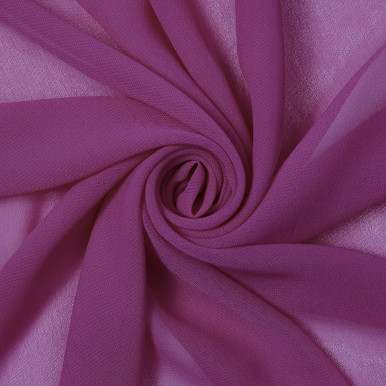
Chiffon is a soft, lightweight, and sheer fabric with a slightly rough texture due to its twisted yarns. Chiffon drapes beautifully and flows easily, giving garments a soft, romantic, and fluid appearance. It can be made from silk, polyester, nylon, or rayon.
Key Features of Chiffon:
- Sheer and lightweight
- Soft, flowing texture
- Matte or slightly lustrous surface
- Excellent drape and movement
- Commonly used for dresses, blouses, scarves, and evening wear
Side-by-Side Comparison
| Feature | Organza | Chiffon |
|---|---|---|
| Texture | Crisp, stiff | Soft, flowing |
| Transparency | Sheer | Sheer |
| Drape | Holds shape, structured | Flows, drapes softly |
| Finish | Slight sheen, glossy | Matte or soft sheen |
| Fiber Types | Silk, polyester, nylon | Silk, polyester, rayon, nylon |
| Common Uses | Bridal gowns, overlays, skirts, decorations | Dresses, blouses, scarves, evening wear |
| Feel | Smooth, slightly stiff | Lightweight, delicate, soft |
Key Differences Between Organza and Chiffon
- Texture and Hand Feel
Organza is crisp and structured, while chiffon is soft, flexible, and flowing. Organza holds its shape, whereas chiffon drapes naturally over the body. - Sheen and Appearance
Organza typically has a subtle reflective sheen, giving it a delicate shimmer. Chiffon is mostly matte or lightly lustrous, creating a softer, romantic look. - Structure vs. Flow
Organza is perfect for voluminous skirts, overlays, or bows due to its stiffness. Chiffon is ideal for flowing dresses, scarves, and draped designs where soft movement is desired. - Applications
While both are used in bridal and evening wear, organza is preferred for structured or layered designs, and chiffon is used for flowing, fluid silhouettes.
Choosing Between Organza and Chiffon
- Choose organza if you want structure, volume, or subtle shine in your garment or decorative textile.
- Choose chiffon if you want soft drape, flow, and lightweight elegance.
Designers often combine the two fabrics in one garment, using organza for volume and chiffon for fluid overlays, creating visually striking contrasts.
Conclusion
While organza and chiffon share the qualities of being lightweight, sheer, and elegant, they differ significantly in texture, drape, and structure. Organza offers crispness and shape retention, while chiffon provides soft flow and delicate drape. Both fabrics have unique advantages and are widely used in fashion, bridal wear, and decorative applications.
For manufacturers seeking to enhance the quality of these fabrics, Meixin Biotech, founded in 2005 and based in Zhongshan, Guangdong, provides textile chemicals and finishing solutions for organza, chiffon, and other high-end textiles. For customized support or technical advice, contact connie.huang@meixinbiotech.com.