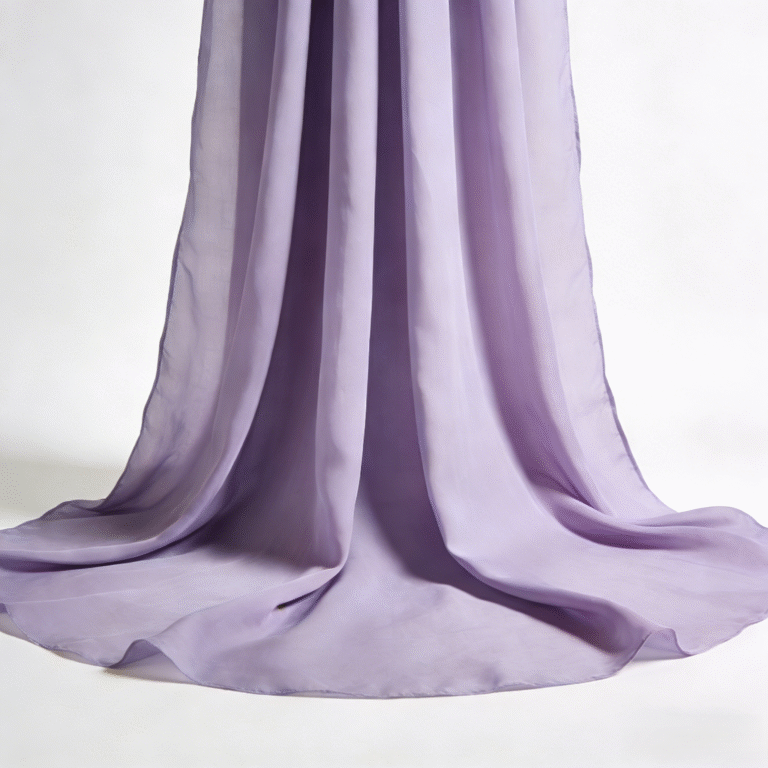
Cotton has long been valued for its natural softness, breathability, and comfort, making it one of the most widely used fabrics in the world. Stretch cotton, however, is a modern variation designed to offer greater flexibility and improved fit. While the two fabrics share similar origins, their composition, performance, and applications differ significantly. Understanding these differences helps consumers and manufacturers choose the right fabric for specific needs.
What Is Cotton?
Cotton is a natural fiber harvested from the cotton plant. It is commonly spun into yarn and woven or knitted into fabric. Cotton is known for its comfort, breathability, and moisture absorption, making it suitable for everyday clothing and home textiles.
Key Characteristics of Cotton:
- 100% natural fiber
- Soft and skin-friendly
- Highly breathable
- Absorbs moisture well
- Limited stretch unless specially woven or knitted
Cotton fabrics are often used in T-shirts, shirts, underwear, bedding, towels, and casual wear.
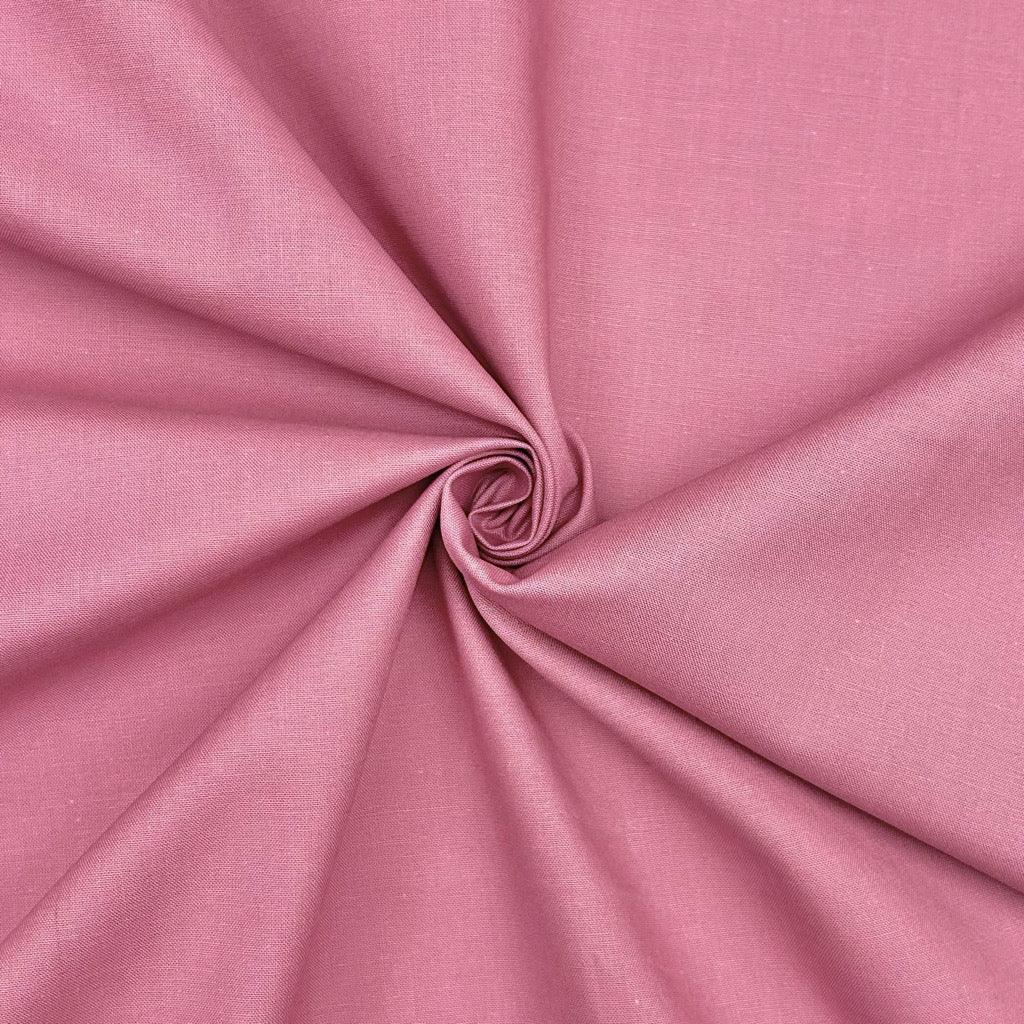
What Is Stretch Cotton?
Stretch cotton is made by blending cotton with elastic fibers, most commonly spandex (also called elastane or Lycra). The elastic component typically accounts for 2–5% of the fabric, while the remainder is cotton.
This blend allows the fabric to stretch and recover, improving comfort, fit, and mobility without sacrificing the natural feel of cotton.
Key Characteristics of Stretch Cotton:
- Cotton blended with elastic fibers
- Flexible and form-fitting
- Improved shape retention
- Comfortable for movement
- Slightly less breathable than pure cotton (depending on blend)
Stretch cotton is commonly used in jeans, leggings, fitted shirts, dresses, and active or athleisure wear.
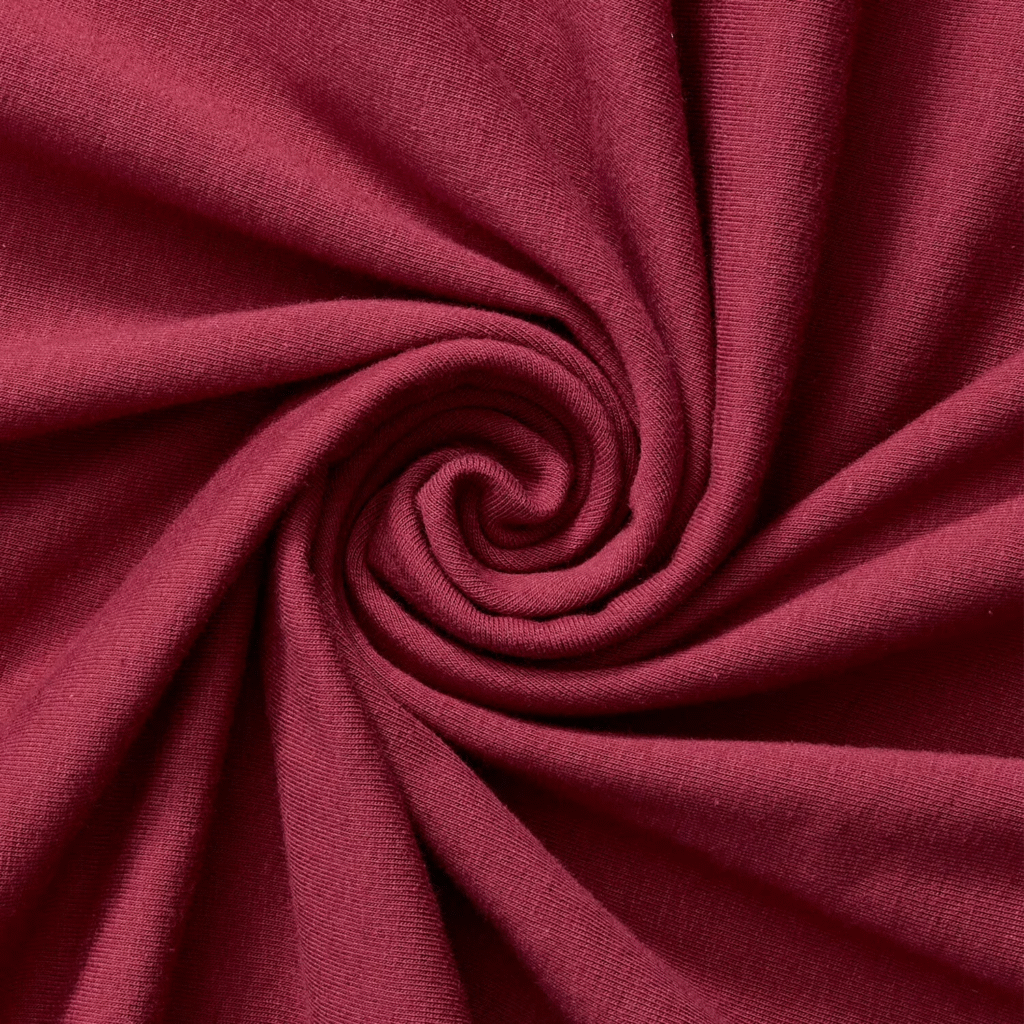
Cotton vs Stretch Cotton: Key Differences
| Feature | Cotton | Stretch Cotton |
|---|---|---|
| Fiber content | 100% cotton | Cotton + elastane/spandex |
| Stretchability | Minimal | High |
| Fit | Relaxed or loose | Fitted and flexible |
| Comfort | Soft and breathable | Soft with added flexibility |
| Shape retention | May wrinkle or sag | Maintains shape better |
| Common uses | T-shirts, bedding, towels | Jeans, leggings, fitted apparel |
Comfort and Performance Comparison
- Cotton offers excellent breathability and is ideal for hot climates and sensitive skin.
- Stretch cotton enhances comfort during movement, making it suitable for body-hugging garments or activities that require flexibility.
While stretch cotton may feel slightly warmer due to added synthetic fibers, it generally provides better wear performance over time.
Which One Should You Choose?
- Choose cotton if you prefer a natural, breathable, and relaxed feel, especially for everyday clothing or home textiles.
- Choose stretch cotton if you want a better fit, flexibility, and shape retention, particularly for fitted garments or active lifestyles.
Both fabrics serve distinct purposes, and the right choice depends on the garment’s design and intended use.
Conclusion
The main difference between cotton and stretch cotton lies in elasticity and performance. Cotton is a natural, breathable fabric ideal for comfort and simplicity, while stretch cotton combines cotton’s softness with added flexibility and durability. By understanding these differences, manufacturers and consumers can select fabrics that best match their comfort, functionality, and style requirements.
For textile manufacturers seeking to optimize cotton and stretch cotton performance, Meixin Biotech, founded in 2005 and based in Zhongshan, Guangdong, provides textile chemicals and finishing solutions that enhance fabric softness, elasticity, and durability. For technical support or customized solutions, please contact connie.huang@meixinbiotech.com.