Cotton is one of the most widely used natural fibers in the world, valued for its comfort, breathability, and versatility. However, the performance and feel of cotton fabric depend greatly on how the cotton yarn is constructed into fabric. The two most common constructions are woven cotton and knit cotton. While both use cotton fibers, they differ significantly in structure, texture, stretch, and applications.
What Is Woven Cotton?
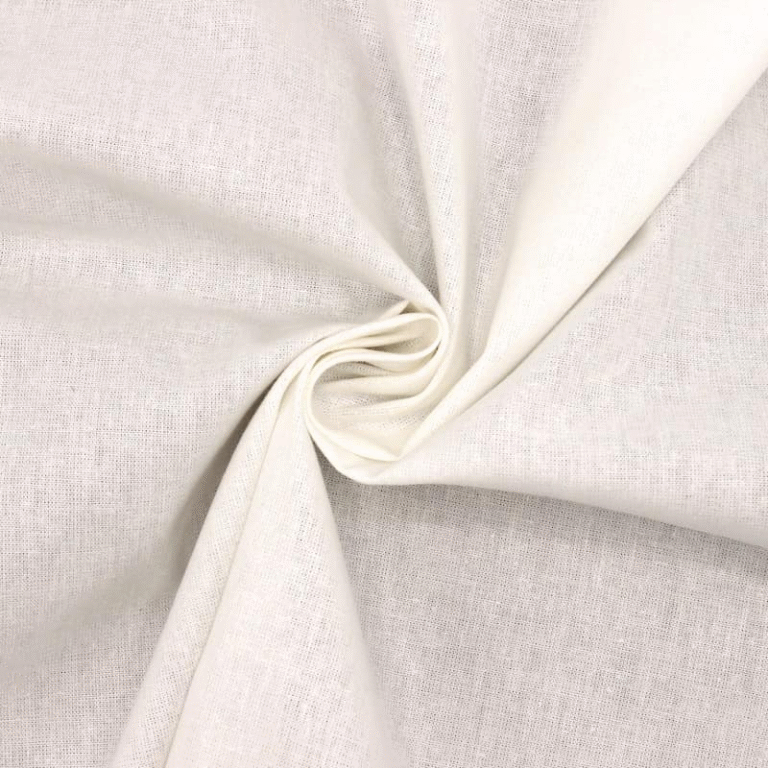
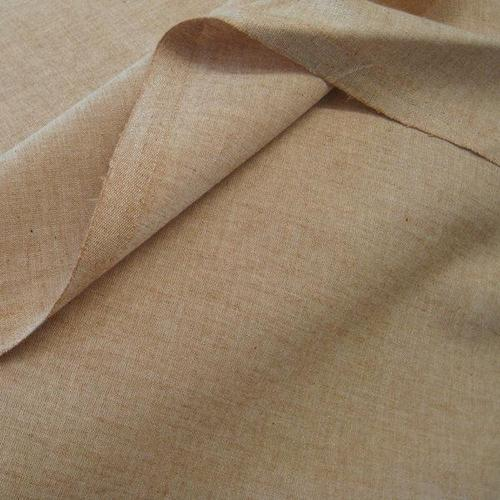
Woven cotton fabric is produced by interlacing yarns at right angles—the warp (lengthwise yarns) and the weft (crosswise yarns). This method creates a stable, structured fabric with minimal stretch.
Common types of woven cotton include:
- Poplin
- Twill
- Denim
- Percale
- Canvas
Key Characteristics of Woven Cotton:
- Firm and structured feel
- Little to no natural stretch
- High dimensional stability
- Durable and long-lasting
- Clean, crisp appearance
Woven cotton fabrics are widely used in shirts, trousers, bedding, table linens, and workwear.
What Is Knit Cotton?
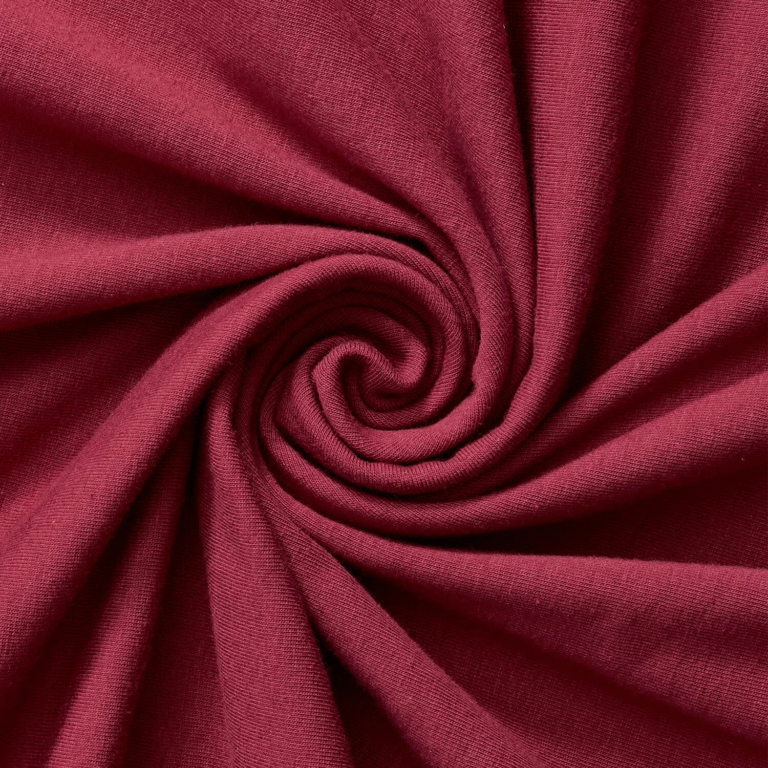
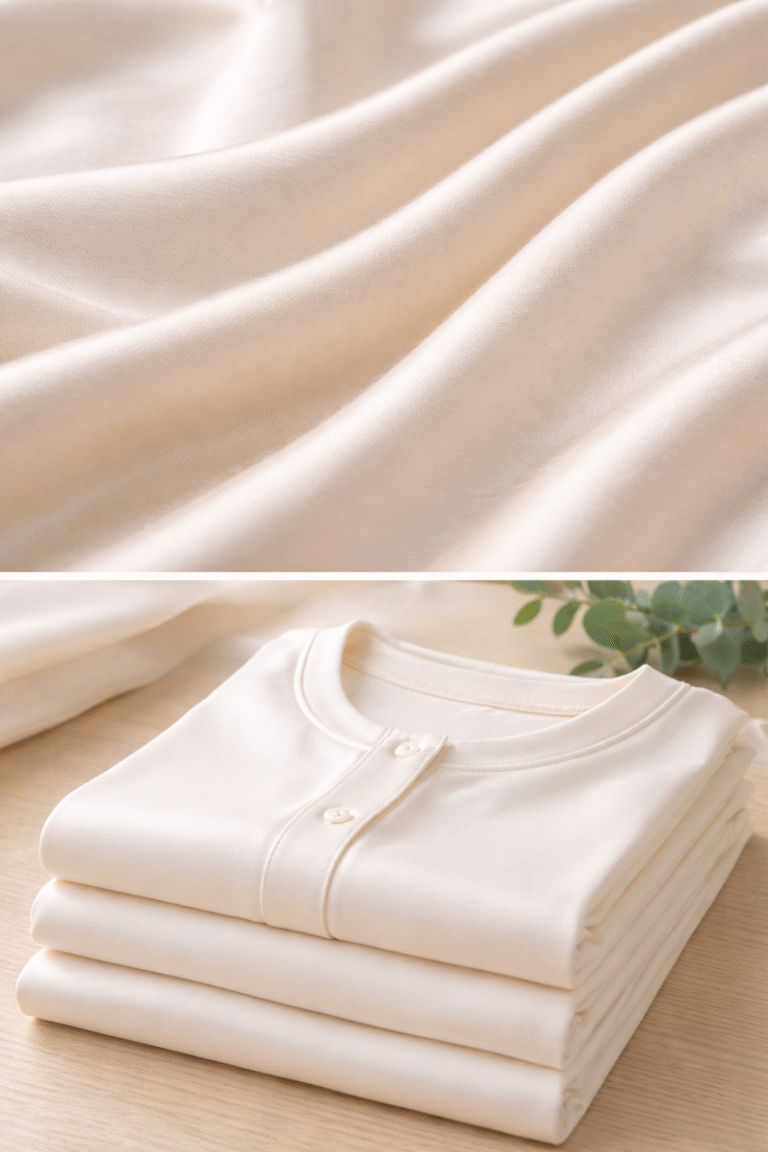
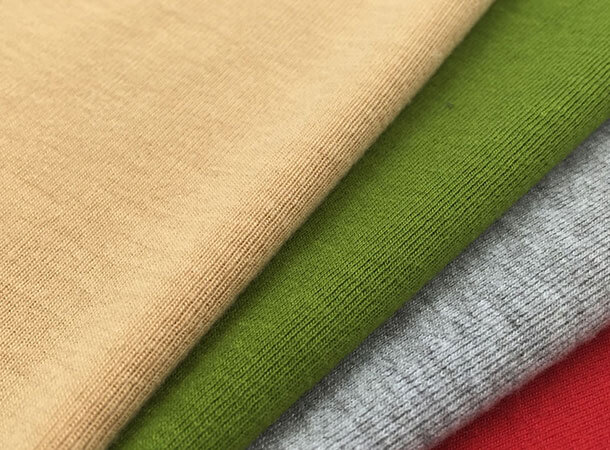
Knit cotton fabric is made by looping yarns together, creating a flexible structure. This looping method gives the fabric natural elasticity and softness, even without added stretch fibers.
Common types of knit cotton include:
- Jersey knit
- Rib knit
- Interlock knit
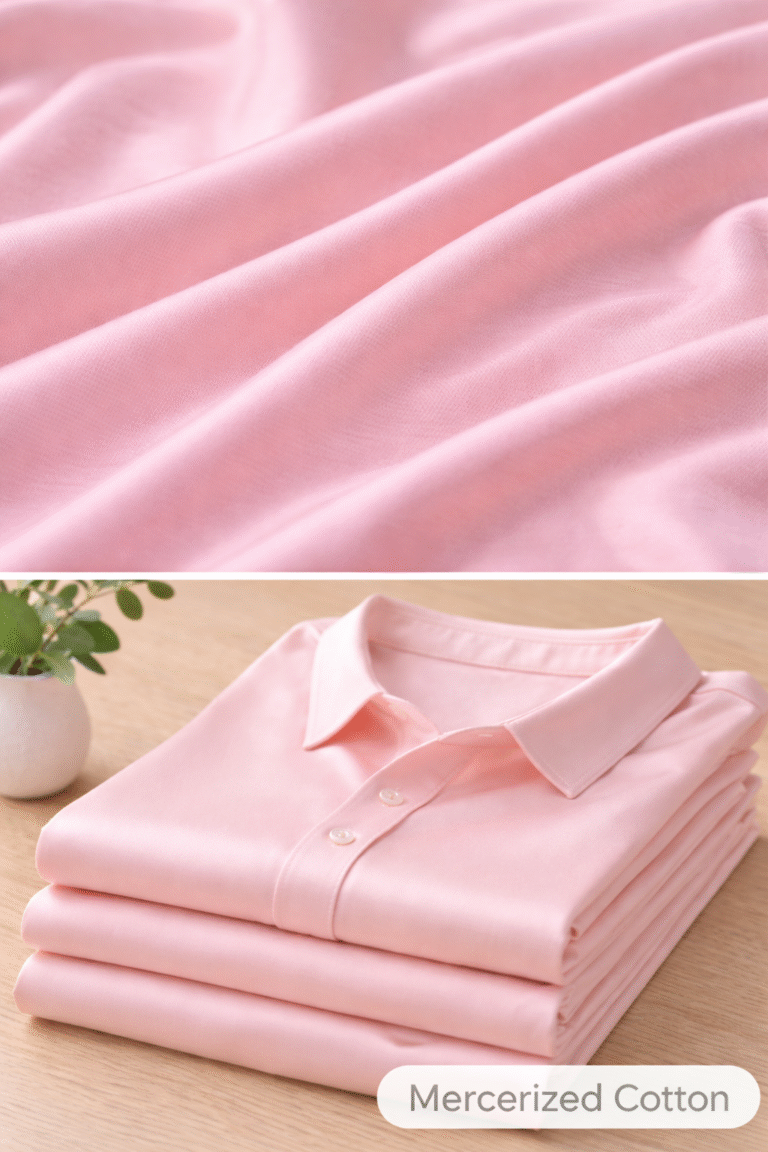
- Piqué knit
Key Characteristics of Knit Cotton:
- Soft and flexible
- Naturally stretchy
- Comfortable and breathable
- Drapes well on the body
- Less rigid than woven cotton
Knit cotton is commonly used in T-shirts, polo shirts, underwear, casual wear, and activewear.
Woven Cotton vs. Knit Cotton: Side-by-Side Comparison
| Feature | Woven Cotton | Knit Cotton |
|---|---|---|
| Fabric structure | Interlaced warp & weft | Loop-based construction |
| Stretch | Minimal | Natural stretch |
| Texture | Crisp or firm | Soft and flexible |
| Shape retention | Excellent | Moderate |
| Drape | Structured | Flowing |
| Breathability | High | High |
| Typical uses | Shirts, bedding, denim | T-shirts, polos, underwear |
Comfort and Performance Differences
- Woven cotton offers a polished look and holds its shape well, making it ideal for garments that require structure and durability.
- Knit cotton prioritizes comfort and ease of movement, adapting better to body motion and providing a relaxed fit.
Woven cotton is generally cooler and more airflow-friendly in hot weather, while knit cotton may feel slightly warmer due to its looped structure.
Durability and Care
- Woven cotton tends to be more resistant to stretching and deformation, making it suitable for frequent washing and long-term use.
- Knit cotton may lose shape over time if not properly finished or cared for, but it offers superior comfort.
Both fabrics benefit from proper finishing treatments to enhance softness, color fastness, and durability.
Which One Should You Choose?
- Choose woven cotton if you need structure, durability, and a refined appearance, such as for dress shirts or home textiles.
- Choose knit cotton if comfort, flexibility, and softness are your priorities, especially for casual or active garments.
The best choice depends on garment design, usage, and comfort expectations.
Conclusion
The difference between woven cotton and knit cotton lies in fabric construction rather than fiber content. Woven cotton provides structure, durability, and a crisp look, while knit cotton offers softness, stretch, and everyday comfort. Both have distinct advantages, and understanding their differences helps ensure the right fabric choice for fashion, home textiles, and functional apparel.
For textile manufacturers aiming to improve the performance of woven and knit cotton fabrics, Meixin Biotech, founded in 2005 and based in Zhongshan, Guangdong, specializes in textile chemicals and finishing solutions that enhance softness, durability, and fabric stability. For technical support or customized solutions, please contact connie.huang@meixinbiotech.com.