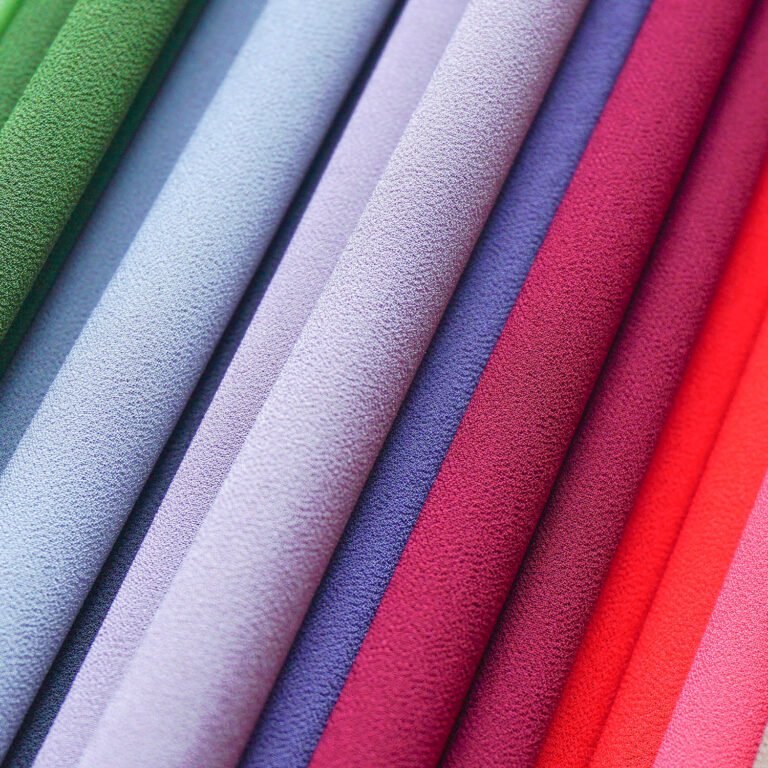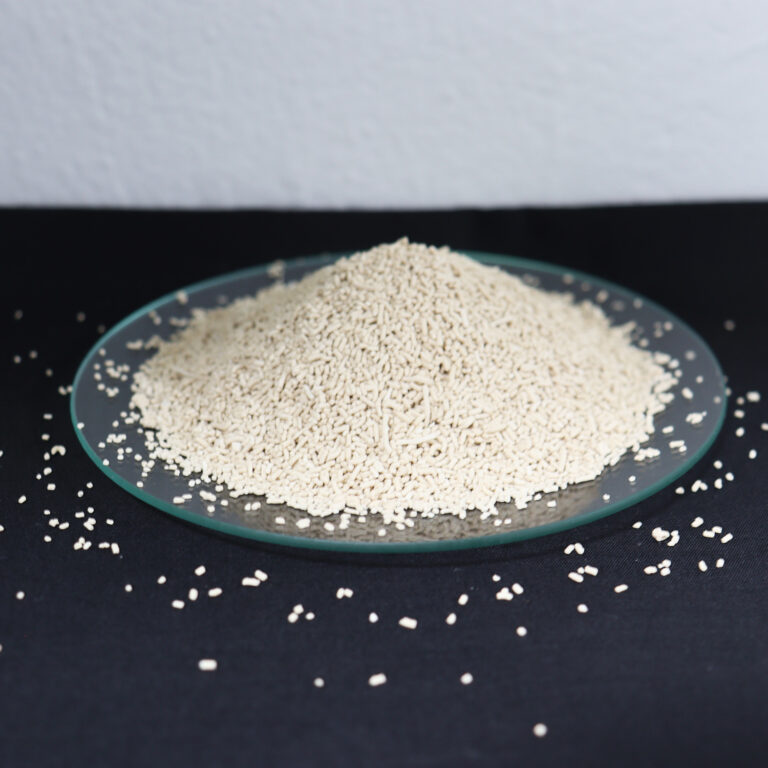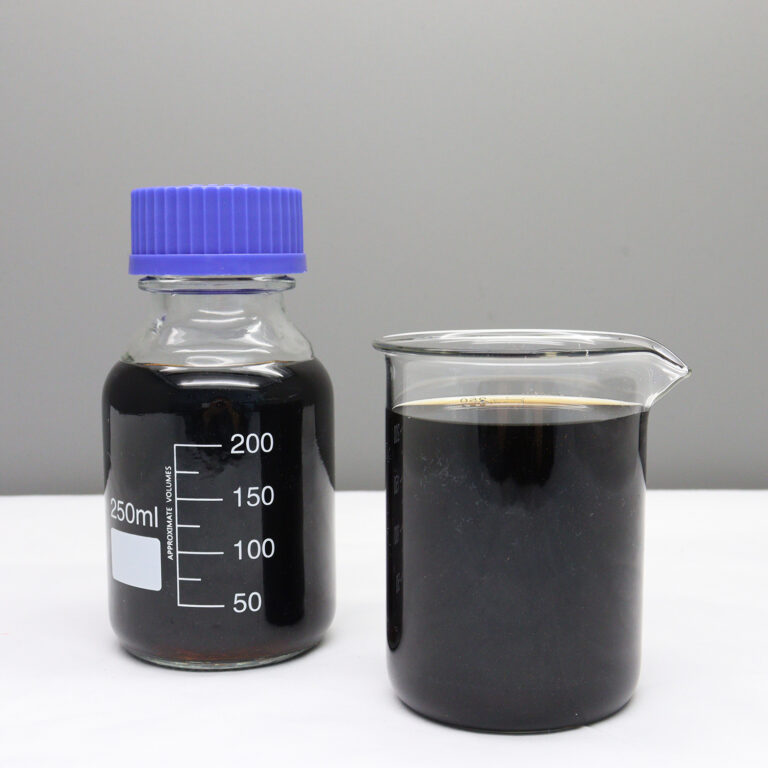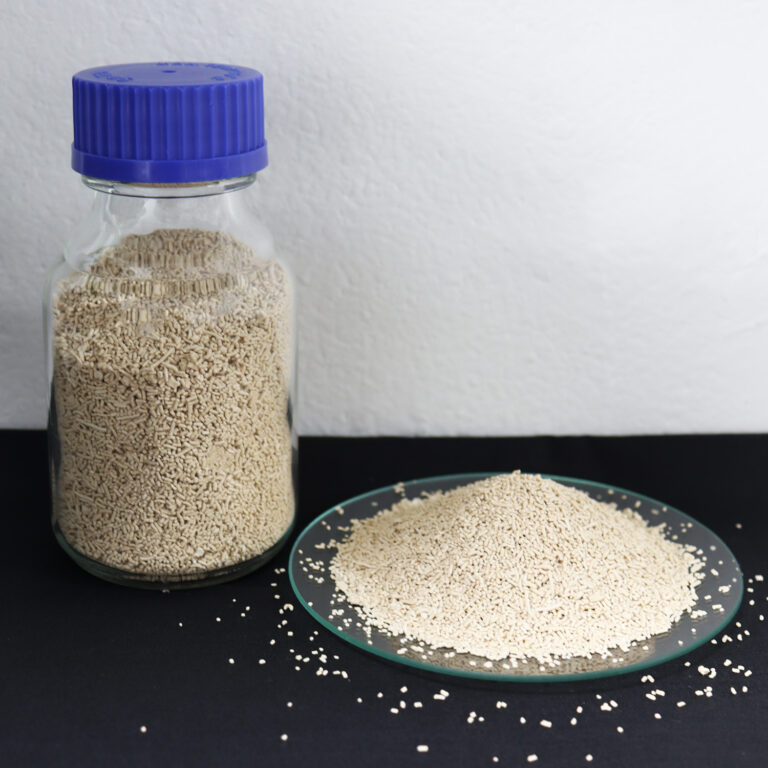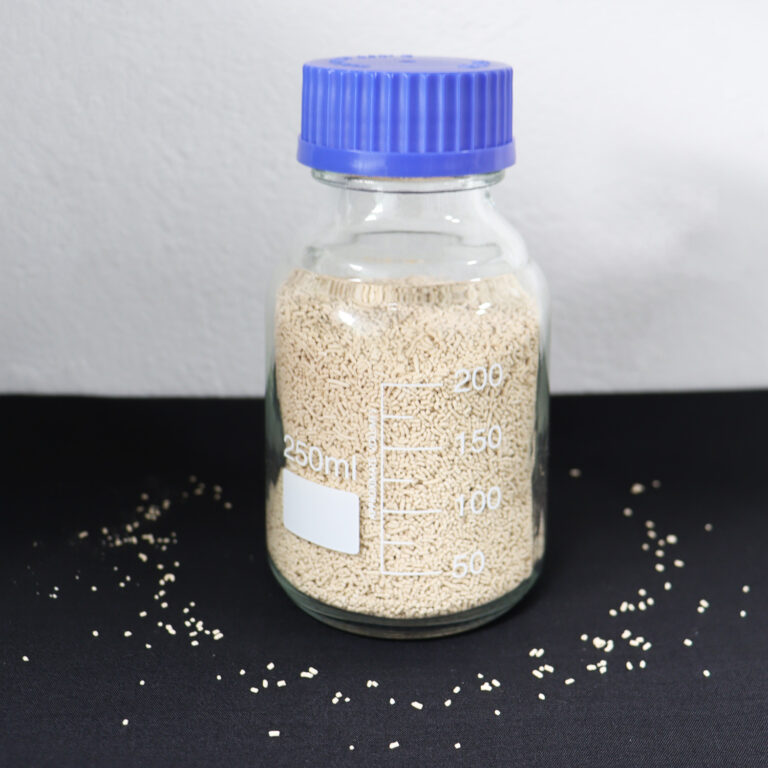
In textile manufacturing, pretreatment is a crucial step before dyeing, printing, and finishing. Among various pretreatment chemicals, scouring agents play an essential role in removing impurities from fibers and improving fabric absorbency.
Natural fibers such as cotton contain oils, waxes, pectin, and other non-fibrous substances that can affect dye absorption and fabric quality. Textile scouring agents are specially formulated chemicals used to clean fibers, improve wettability, and prepare fabrics for further processing.
By ensuring a clean and uniform fabric surface, scouring agents help textile manufacturers achieve better dyeing results, improved color consistency, and higher-quality finished products.
What Are Scouring Agents?
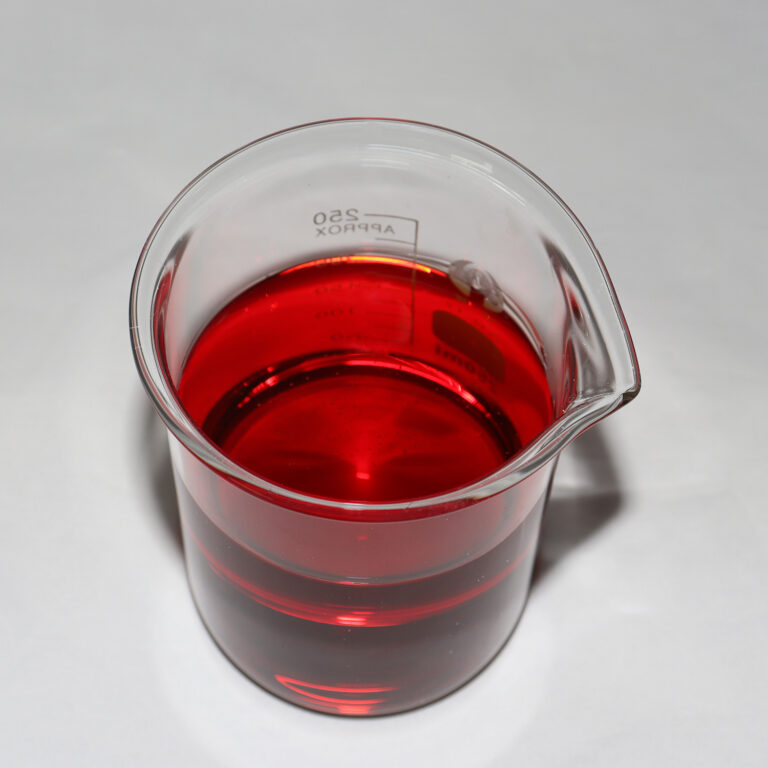
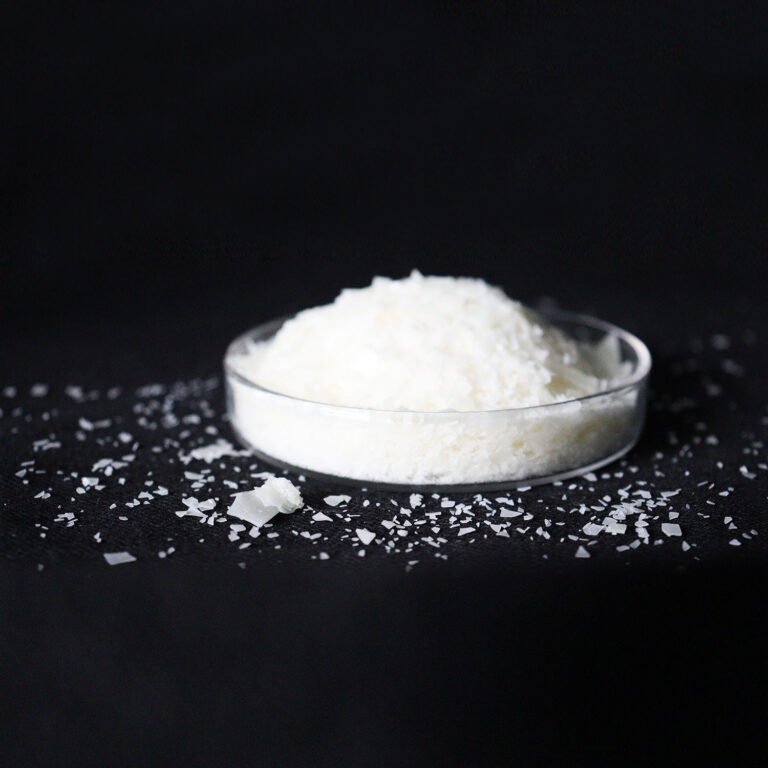
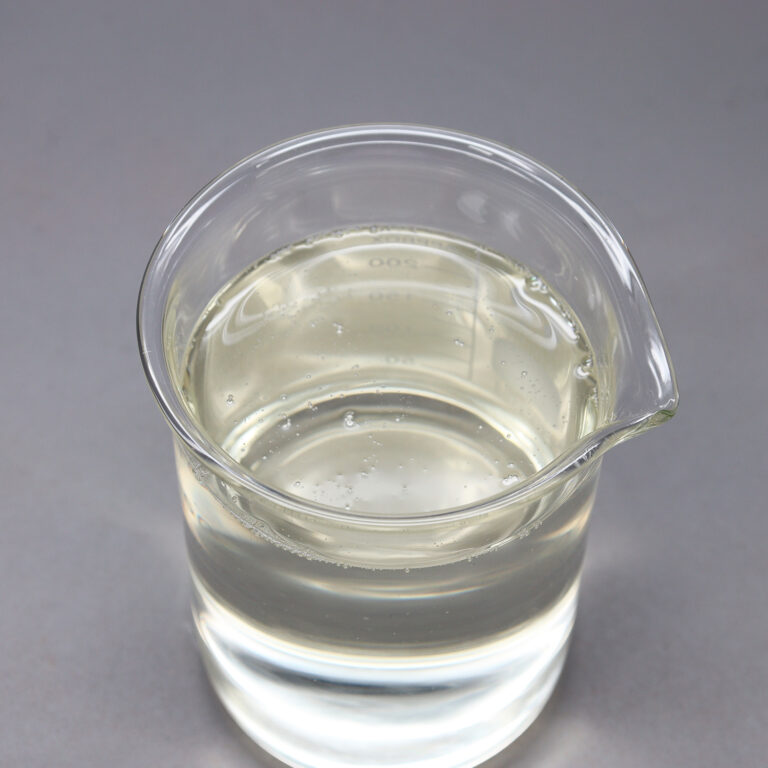
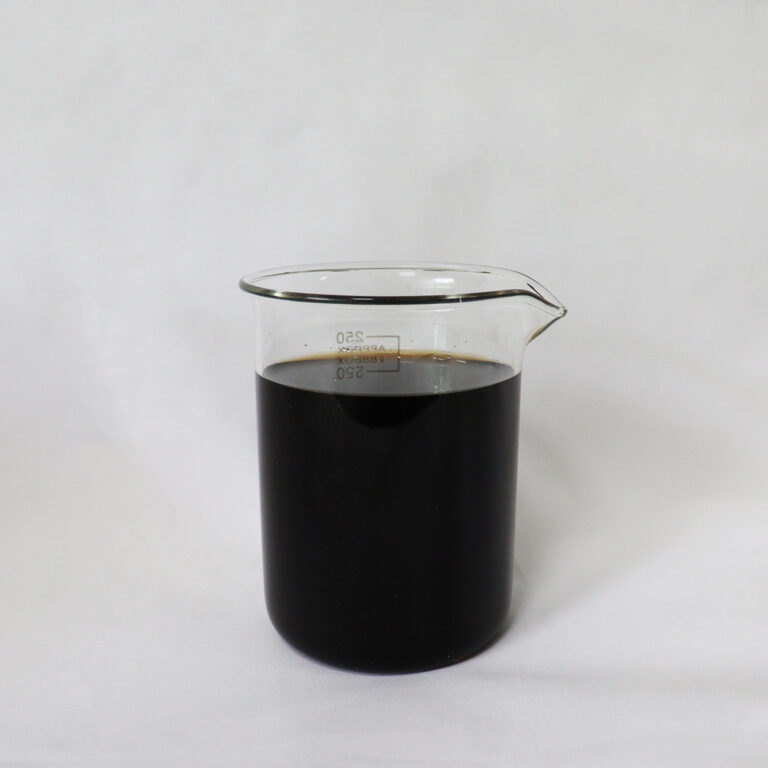
Scouring agents are textile auxiliary chemicals used during the pretreatment process to remove natural and processing impurities from fibers and fabrics.
During textile production, raw fibers may contain various unwanted substances, including:
- Natural oils and waxes
- Pectins and proteins
- Dirt and dust
- Residual sizing materials
- Spinning and processing oils
Scouring agents help dissolve, emulsify, and remove these impurities, allowing dyes and finishing chemicals to penetrate fibers more effectively.

Why Are Scouring Agents Important in Textile Processing?
Effective scouring directly affects the quality of subsequent textile processes.
| Benefit | Function |
|---|---|
| Improved Absorbency | Helps fabrics absorb dyes and chemicals evenly |
| Better Dyeing Performance | Reduces uneven coloring and dye defects |
| Cleaner Fabric Surface | Removes oils, waxes, and impurities |
| Improved Fabric Quality | Enhances appearance and processing stability |
| Higher Production Efficiency | Reduces reprocessing and production issues |
Without proper scouring, fabrics may suffer from poor dye uptake, uneven shades, and inconsistent finishing results.
How Do Scouring Agents Work?
Scouring agents work through several mechanisms to clean textile fibers:
1. Emulsification
Scouring agents break down and disperse oils, waxes, and other oily substances so they can be removed during washing.
2. Wetting and Penetration
They improve water penetration into fibers, allowing chemicals to reach deeper areas of the fabric.
3. Dispersion
Scouring chemicals keep removed impurities suspended in the washing solution, preventing them from redepositing on fabrics.
4. Cleaning and Removal
They help eliminate non-fibrous substances and prepare fabrics for dyeing and finishing.
Types of Scouring Agents Used in Textile Processing
Different textile materials require different scouring solutions. Common types include:
| Type of Scouring Agent | Main Function | Applications |
|---|---|---|
| Surfactant-Based Scouring Agents | Remove oils and improve wetting | Cotton and blended fabrics |
| Alkaline Scouring Agents | Remove waxes and impurities | Natural fibers |
| Enzymatic Scouring Agents | Provide gentle impurity removal | Cotton and eco-friendly processing |
| Low-Temperature Scouring Agents | Enable energy-saving processing | Sustainable textile production |
| Specialty Scouring Agents | Provide enhanced cleaning performance | High-quality textile applications |
Applications of Scouring Agents in Different Textile Materials
| Textile Material | Scouring Purpose | Common Scouring Solutions |
|---|---|---|
| Cotton | Remove waxes, oils, and pectin | Surfactants, alkaline agents, enzymes |
| Polyester | Remove processing oils | Surfactant-based cleaners |
| Linen | Remove natural impurities | Alkaline scouring systems |
| Wool | Clean fibers while protecting quality | Mild scouring agents |
| Blended Fabrics | Remove mixed impurities | Combination scouring systems |
Scouring Agents in the Textile Pretreatment Process
Scouring is usually performed before dyeing and finishing.
A typical textile pretreatment process includes:
Desizing → Scouring → Bleaching → Dyeing → Finishing
Each stage has a specific purpose:
| Process | Purpose |
|---|---|
| Desizing | Remove sizing materials from yarns |
| Scouring | Remove oils, waxes, and impurities |
| Bleaching | Improve whiteness and brightness |
| Dyeing | Add color to fabrics |
| Finishing | Provide additional properties |
Factors to Consider When Choosing Scouring Agents
Textile manufacturers should consider several factors when selecting suitable scouring chemicals:
1. Fiber Type
Different fibers require different scouring conditions. Cotton typically needs stronger cleaning systems, while synthetic fibers may require milder treatments.
2. Fabric Structure
Knitted fabrics, woven fabrics, and dense textiles may require different levels of penetration and cleaning performance.
3. Processing Conditions
Important factors include:
- Temperature
- pH value
- Processing time
- Equipment type
4. Environmental Requirements
Modern textile production increasingly requires:
- Lower chemical consumption
- Reduced wastewater impact
- Energy-saving processing
Conclusion
Scouring agents are essential textile auxiliary chemicals used to prepare fabrics for dyeing, printing, and finishing. By removing oils, waxes, and other impurities, they improve fabric absorbency, dyeing performance, and overall textile quality.
From surfactant-based cleaners and alkaline scouring agents to enzymatic solutions, different types of scouring agents are designed to meet various textile processing requirements.
For textile manufacturers looking for reliable pretreatment solutions, Meixin Biotech provides professional textile chemical products and technical support to help improve processing efficiency and fabric performance.
Contact Meixin Biotech: connie.huang@meixinbiotech.com