Textile auxiliary chemicals are essential in every stage of textile manufacturing. Unlike dyes that mainly provide color, auxiliary chemicals are used to improve processing efficiency, enhance fabric quality, and provide better performance during textile production.
From fiber preparation and pretreatment to dyeing, printing, and finishing, different textile processes require specific auxiliary chemicals to achieve consistent results.
The proper selection and application of textile auxiliary chemicals can help manufacturers improve dye absorption, reduce defects, enhance fabric softness, and produce textiles with better durability and functionality.
Textile Auxiliary Chemicals in Fiber Preparation
Before dyeing and finishing, textile fibers need to be properly prepared to ensure smooth processing. Fiber preparation chemicals help remove impurities and improve fiber performance.
Common Auxiliary Chemicals:
| Textile Auxiliary Chemical | Function |
|---|---|
| Wetting Agents | Improve water penetration and chemical absorption |
| Scouring Agents | Remove oils, waxes, and natural impurities |
| Sequestering Agents | Control metal ions that may affect processing |
Applications:
Fiber preparation auxiliaries are mainly used for:
- Cotton pretreatment
- Cellulose fiber cleaning
- Fabric preparation before dyeing
Benefits:
- Better fabric absorbency
- More uniform dyeing results
- Improved processing efficiency

Textile Auxiliary Chemicals in Pretreatment Processes
Pretreatment is a critical step before dyeing. Proper pretreatment ensures fabrics have better whiteness, cleanliness, and dye absorption performance.
Common Pretreatment Auxiliaries
| Auxiliary Chemical | Main Function | Application |
|---|---|---|
| Scouring Agents | Remove impurities and improve cleanliness | Cotton and blended fabrics |
| Bleaching Stabilizers | Control bleaching reactions | White and light-colored fabrics |
| Wetting Agents | Improve chemical penetration | Various textile materials |
| Chelating Agents | Remove metal ions | Dyeing preparation |
Importance of Pretreatment Chemicals:
Effective pretreatment helps:
- Improve dye uptake
- Reduce uneven coloration
- Enhance final fabric quality
Textile Auxiliary Chemicals in Dyeing Processes
Dyeing is one of the most important stages in textile production. Auxiliary chemicals help dyes penetrate fibers evenly and improve color performance.
Common Dyeing Auxiliaries
| Auxiliary Chemical | Function | Applications |
|---|---|---|
| Leveling Agents | Ensure uniform dye distribution | Cotton, polyester, nylon dyeing |
| Dispersing Agents | Keep dyes evenly dispersed | Synthetic fiber dyeing |
| Dye Fixing Agents | Improve color fastness | Garments and home textiles |
| pH Regulators | Maintain suitable dyeing conditions | Various dyeing processes |
Benefits in Dyeing:
Textile dyeing auxiliaries help manufacturers achieve:
- More consistent colors
- Better washing fastness
- Reduced dye defects
- Higher production efficiency
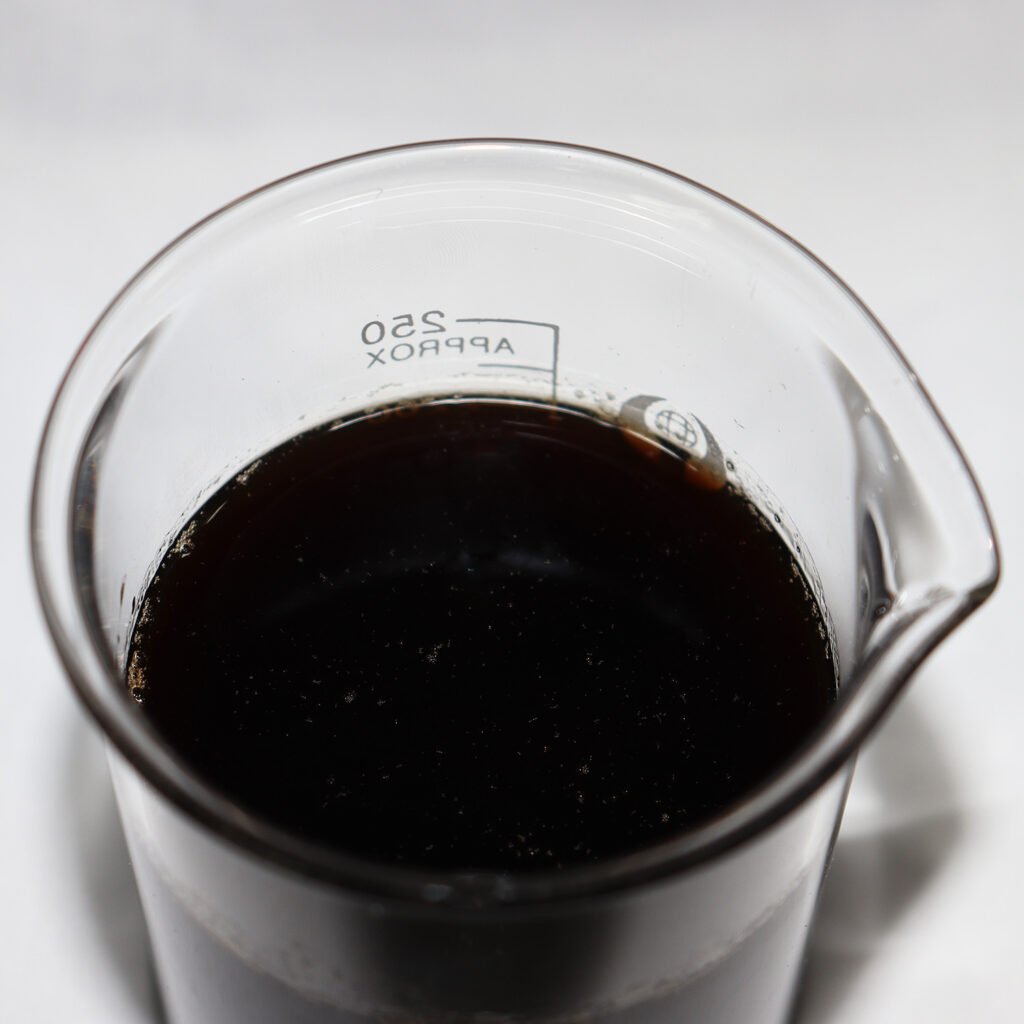
Textile Auxiliary Chemicals in Textile Printing
Textile printing requires precise control of dyes and pigments to create clear and durable patterns.
Common Printing Auxiliaries
| Printing Auxiliary | Function |
|---|---|
| Thickeners | Control printing paste viscosity |
| Binders | Improve pigment adhesion |
| Wetting Agents | Enhance fabric penetration |
| Defoamers | Control foam during printing |
Applications:
Printing auxiliaries are widely used in:
- Fashion fabrics
- Decorative textiles
- Home textile products
- Customized printed fabrics
Textile Auxiliary Chemicals in Finishing Processes
Finishing is the final stage where fabrics receive additional properties and improved performance.
Common Finishing Auxiliaries
| Finishing Auxiliary | Function | Applications |
|---|---|---|
| Softeners | Improve softness and hand feel | Clothing, bedding |
| Silicone Finishing Agents | Provide smoothness and comfort | Apparel fabrics |
| Water-Repellent Agents | Improve water resistance | Outdoor textiles |
| Antibacterial Agents | Provide hygiene protection | Medical and functional textiles |
| Anti-Wrinkle Agents | Improve easy-care properties | Shirts and uniforms |
Benefits:
Finishing auxiliaries help create textiles with:
- Better comfort
- Enhanced durability
- Functional performance
- Improved market value
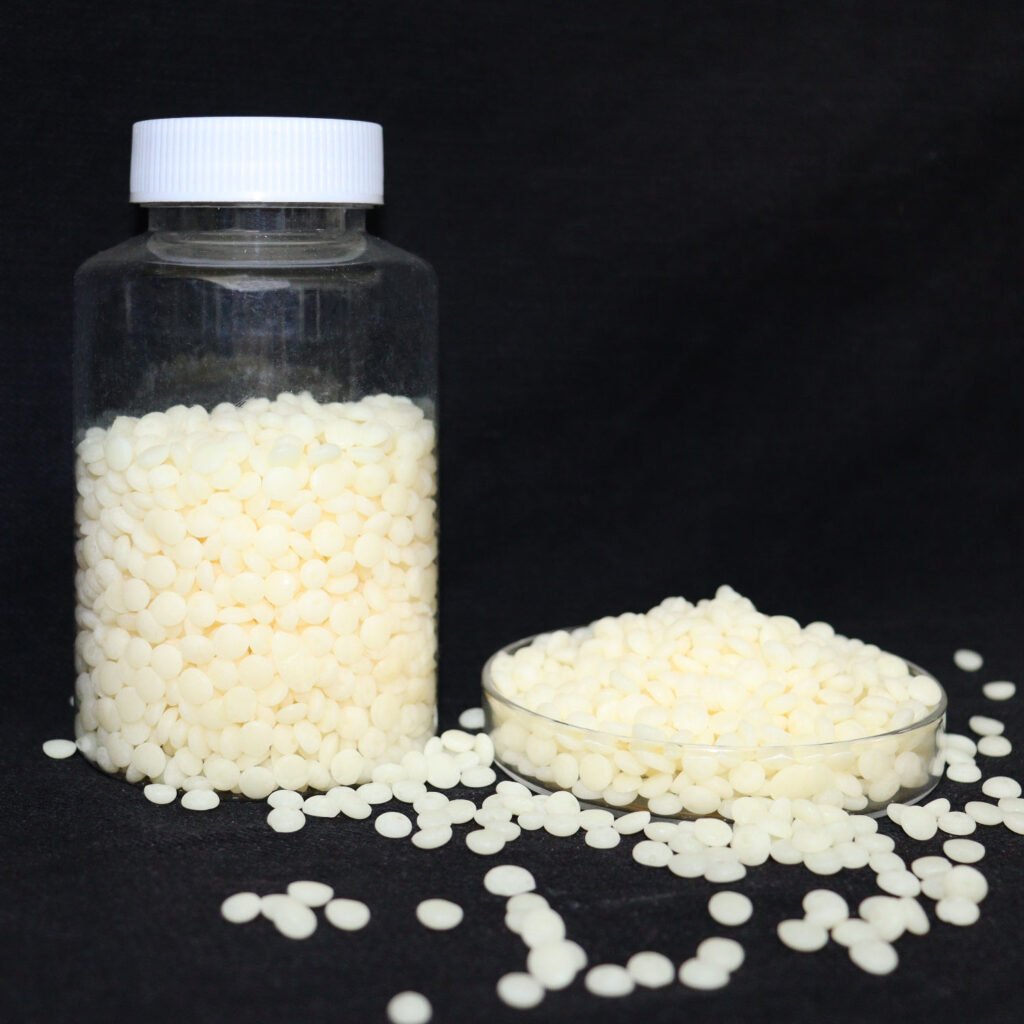
Textile Auxiliary Chemicals in Washing and After-Treatment
After dyeing and finishing, fabrics often require washing and cleaning processes to remove excess chemicals and improve fabric quality.
Common After-Treatment Chemicals
| Chemical Type | Function |
|---|---|
| Soaping Agents | Remove unfixed dyes |
| Silicone Softeners | Improve fabric smoothness |
| Fixing Agents | Maintain color stability |
| Cleaning Agents | Remove processing residues |
Applications:
Used for:
- Garments
- Towels
- Bedding fabrics
- Fashion textiles
Applications of Textile Auxiliary Chemicals by Textile Material
Different fibers require different auxiliary chemical solutions.
| Textile Material | Common Auxiliary Chemicals | Purpose |
|---|---|---|
| Cotton | Scouring agents, leveling agents, fixing agents | Improve dyeing quality and softness |
| Polyester | Dispersing agents, leveling agents | Achieve uniform synthetic fiber dyeing |
| Nylon | Leveling agents, acid dye auxiliaries | Improve color consistency |
| Wool | Wetting agents, softeners | Protect fiber quality |
| Blended Fabrics | Multiple auxiliaries | Balance different fiber properties |
Role of Textile Auxiliary Chemicals in Sustainable Textile Production
With increasing environmental requirements, textile manufacturers are focusing on more sustainable auxiliary chemical solutions.
Eco-friendly textile auxiliaries help:
- Reduce water consumption
- Lower chemical usage
- Improve processing efficiency
- Minimize wastewater impact
Examples include:
- Low-impact dyeing auxiliaries
- Biodegradable processing chemicals
- Energy-saving finishing agents
Conclusion
Textile auxiliary chemicals are widely applied throughout textile manufacturing processes, from fiber preparation and pretreatment to dyeing, printing, and finishing.
Each auxiliary chemical serves a specific function, helping manufacturers improve production efficiency, fabric quality, and final textile performance.
By selecting suitable textile auxiliary chemicals, textile producers can achieve better color consistency, enhanced fabric properties, and more sustainable production.
Meixin Biotech provides professional textile auxiliary chemical solutions to support textile manufacturers in improving processing performance and meeting evolving market requirements.
Contact Meixin Biotech: connie.huang@meixinbiotech.com