As outdoor activities, travel, and workplace safety gain increasing attention, permethrin treated clothing has emerged as an effective solution for protection against insects and insect-borne diseases. Widely used in outdoor apparel, workwear, military uniforms, and functional textiles, this technology combines science and textile engineering to enhance comfort, safety, and performance.
What Is Permethrin Treated Clothing?
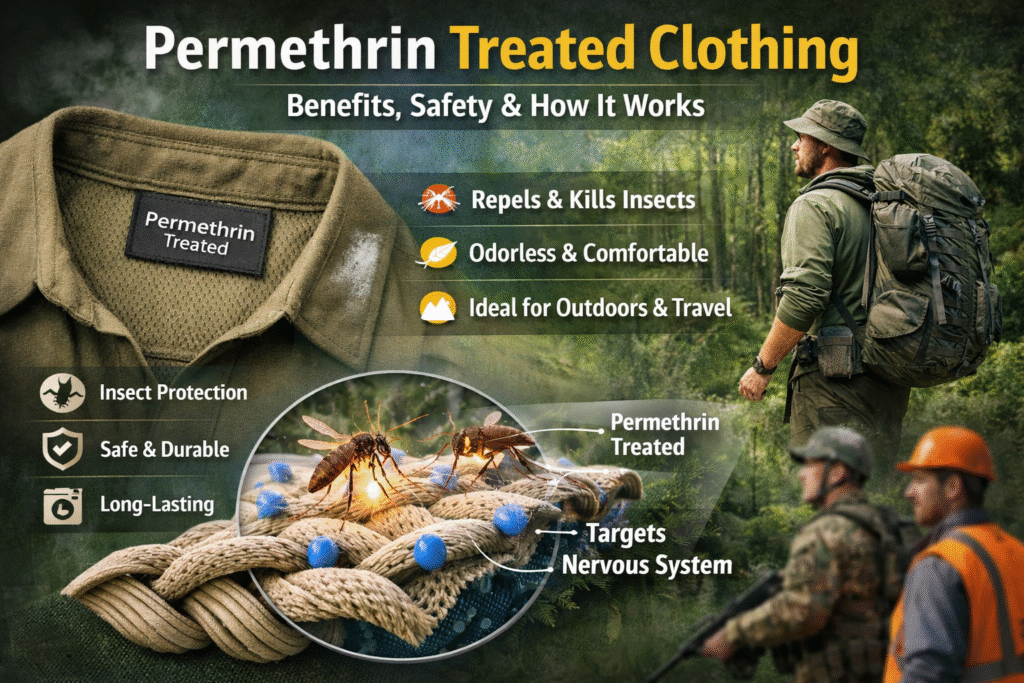
Permethrin treated clothing refers to garments that have been infused or finished with permethrin, a synthetic compound modeled after natural pyrethrins found in chrysanthemum flowers. Unlike topical insect repellents applied directly to the skin, permethrin is bonded to the fabric fibers, creating a long-lasting protective barrier.
Once applied, permethrin-treated textiles repel or neutralize insects such as mosquitoes, ticks, mites, flies, and lice upon contact, without affecting the wearer’s skin when used correctly.
How Does Permethrin Treated Clothing Work?
Permethrin works by targeting the nervous system of insects. When insects land on or crawl across treated fabric, the compound interferes with their nerve signal transmission, leading to disorientation and eventual paralysis or death.
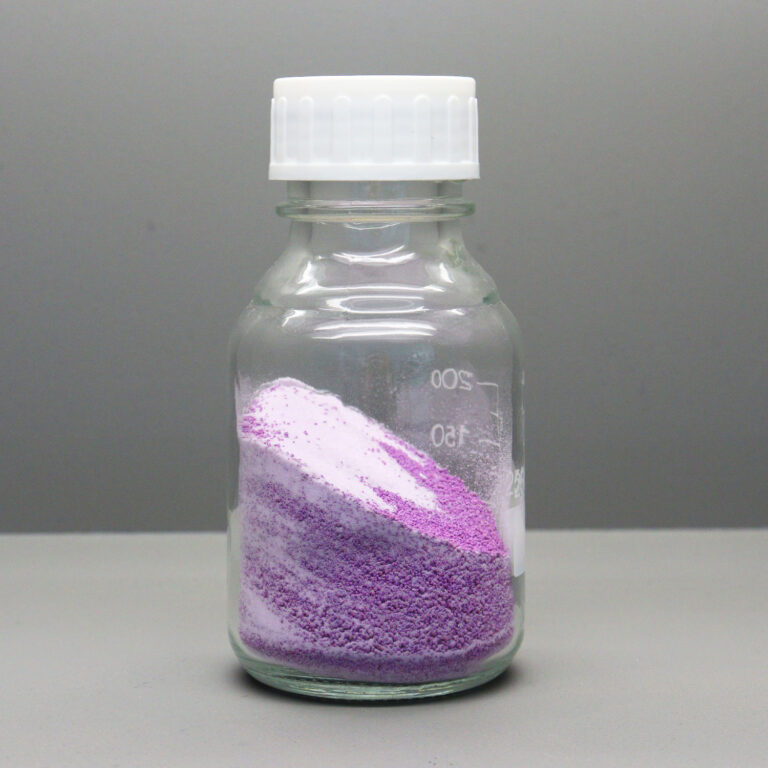
From a textile processing perspective, permethrin is typically applied through padding, exhaustion, coating, or microencapsulation technologies, ensuring strong adhesion to fibers. High-quality textile auxiliaries allow the treatment to withstand multiple wash cycles while maintaining consistent performance.
Unlike sprays that evaporate or wear off quickly, fabric-based permethrin treatment offers controlled release, enabling long-term effectiveness with minimal environmental exposure.
Key Benefits of Permethrin Treated Clothing
1. Long-Lasting Insect Protection
Permethrin-treated garments can remain effective for dozens of washes, making them ideal for extended outdoor use, travel, or occupational environments where insect exposure is frequent.
2. Skin-Friendly and Comfortable
Because permethrin is bound to the fabric rather than applied to skin, it reduces direct skin contact and potential irritation compared to topical repellents.
3. Odorless and Invisible
The treatment does not alter the look, texture, or breathability of the fabric, ensuring the garment remains comfortable and aesthetically unchanged.
4. Reduced Risk of Insect-Borne Diseases
By preventing insect bites, permethrin treated clothing helps lower the risk of diseases such as malaria, dengue, Lyme disease, and Zika virus.
5. Versatile Applications
This technology is suitable for a wide range of textiles, including cotton, polyester, blends, outdoor fabrics, uniforms, socks, and even bedding materials.
Is Permethrin Treated Clothing Safe?
When used according to textile and regulatory standards, permethrin treated clothing is considered safe for adults and children. Permethrin has been extensively evaluated by international regulatory bodies for textile applications. Responsible manufacturers focus on precise dosage control, strong fiber fixation, and eco-conscious processing to ensure both human safety and environmental compliance.
Conclusion
Permethrin treated clothing offers a reliable and long-lasting approach to insect protection, meeting the growing demand for functional, comfortable, and safe textiles in outdoor, travel, and professional applications. As this technology continues to evolve, dependable textile chemical solutions play a key role in ensuring performance consistency and production efficiency.
Founded in 2005 in Zhongshan, Guangdong, Meixin Biotech brings over 20 years of expertise in textile auxiliaries to support advanced functional finishes such as permethrin treatment. Through strong R&D capabilities and modern manufacturing, Meixin works closely with textile partners to enhance product quality while promoting sustainable development.
For technical inquiries or collaboration opportunities, Meixin can be reached at connie.huang@meixinbiotech.com.
Permethrin Articles
Permethrin Treated Clothing: What It Is, Benefits & How It Works
Is Permethrin Treated Clothing Safe? (Humans, Skin & Pets)