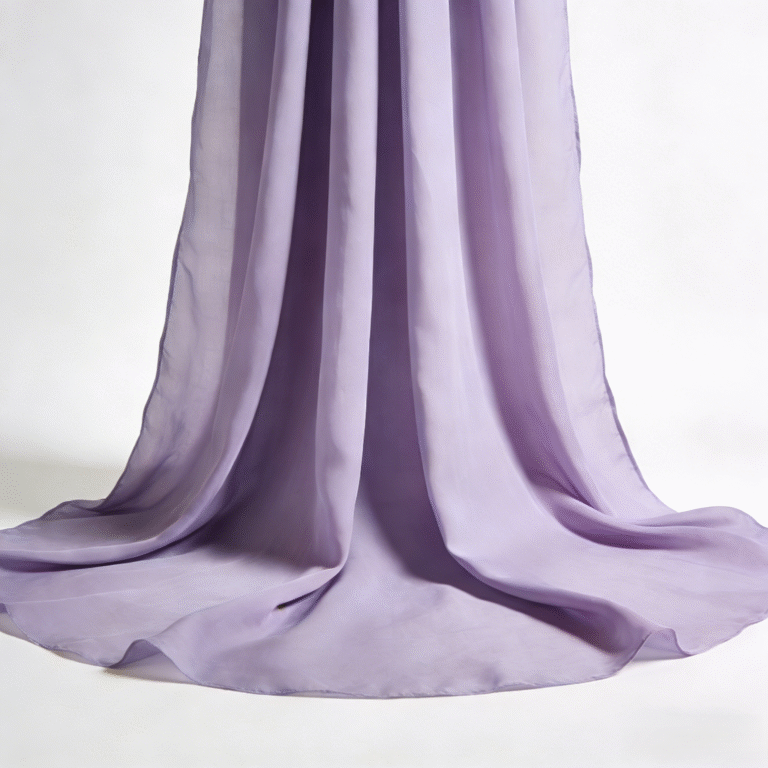
The textile industry relies on a wide range of chemicals to convert raw fibers into high-quality fabrics with improved appearance, durability, and functionality. From fiber preparation and dyeing to finishing treatments, textile chemicals are essential for achieving consistent production quality and meeting different textile performance requirements.
Textile chemicals help manufacturers improve color fastness, fabric softness, processing efficiency, and special properties such as water resistance, flame retardancy, and antibacterial protection.
Based on their functions, textile chemicals can be mainly divided into textile dyes, textile auxiliaries, finishing agents, printing chemicals, and specialty chemicals. These chemicals are widely used in apparel, home textiles, sportswear, medical textiles, and industrial textile applications.
Overview of Main Types of Textile Chemicals
The following table provides a quick overview of the major categories of textile chemicals and their applications.
| Type of Textile Chemical | Main Function | Common Applications |
|---|---|---|
| Textile Dyes | Add color and improve color fastness | Apparel, home textiles, fashion fabrics |
| Textile Auxiliaries | Improve processing efficiency and fabric quality | Pretreatment, dyeing, finishing |
| Textile Finishing Agents | Add functional properties to fabrics | Water-resistant, antibacterial, flame-retardant textiles |
| Textile Printing Chemicals | Support fabric printing and pattern development | Printed fabrics, decorative textiles |
| Specialty Textile Chemicals | Provide advanced performance features | Medical textiles, industrial fabrics |
1. Textile Dyes: Chemicals for Fabric Coloring
Textile dyes are chemical substances used to add color to fibers, yarns, and fabrics. They are one of the most important types of textile chemicals because color quality directly affects the appearance and commercial value of textile products.
Different fibers require different dye types to achieve excellent color strength, uniformity, and durability.
Common Types of Textile Dyes
| Dye Type | Function | Suitable Fibers | Applications |
|---|---|---|---|
| Reactive Dyes | Create chemical bonds with fibers and provide excellent washing fastness | Cotton, linen, cellulose fibers | Garments, towels, bedding, home textiles |
| Disperse Dyes | Provide stable colors for synthetic fibers | Polyester, nylon | Sportswear, outdoor fabrics, automotive textiles |
| Acid Dyes | Produce bright and vivid colors | Wool, silk, nylon | Fashion fabrics and specialty textiles |
| Direct Dyes | Provide simple and cost-effective dyeing for cellulose fibers | Cotton and rayon | Everyday textile products |
| Pigments | Create decorative colors without chemical bonding with fibers | Various fabrics | Textile printing and customized fabrics |
Choosing the right dye depends on factors such as fiber type, required color performance, production process, and final application.
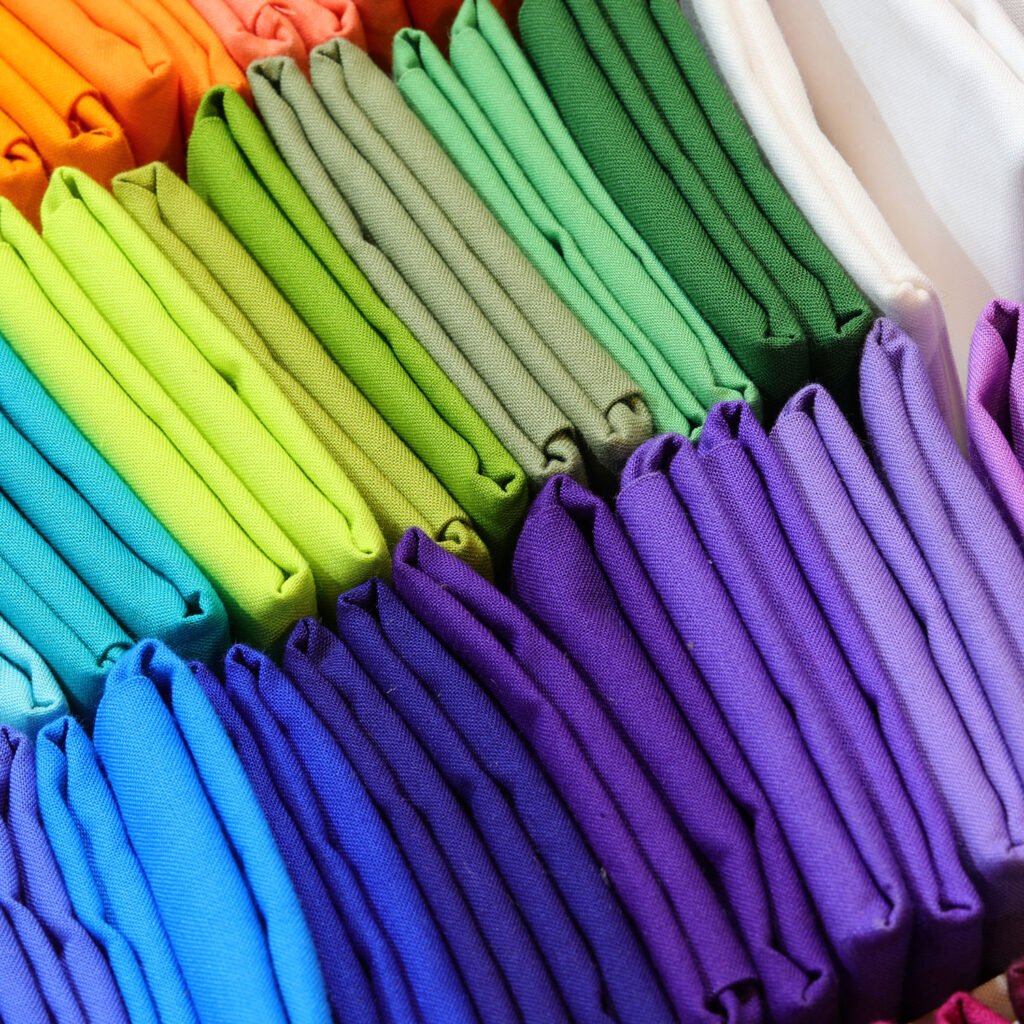
2. Textile Auxiliaries: Chemicals for Better Processing Performance
Textile auxiliaries are chemicals used during textile processing to improve production efficiency, dyeing quality, and fabric performance. Although they usually do not provide color, they are essential for achieving stable and high-quality textile production.
Common Types of Textile Auxiliaries
| Textile Auxiliary | Main Function | Applications |
|---|---|---|
| Wetting Agents | Improve fabric wetting and chemical penetration | Fiber preparation and pretreatment |
| Scouring Agents | Remove oils, waxes, and impurities | Cotton and fabric cleaning |
| Leveling Agents | Ensure even dye distribution | Cotton and polyester dyeing |
| Fixing Agents | Improve color fastness and reduce fading | Garments, towels, bedding |
| Softeners | Enhance fabric softness and hand feel | Clothing, home textiles |
| Defoamers | Control foam during production processes | Dyeing and finishing operations |
Applications of Textile Auxiliaries
Textile auxiliaries are widely used throughout textile manufacturing, including:
- Pretreatment: Removing impurities and preparing fibers for dyeing
- Dyeing: Improving dye absorption and color consistency
- Finishing: Enhancing fabric feel, durability, and functionality
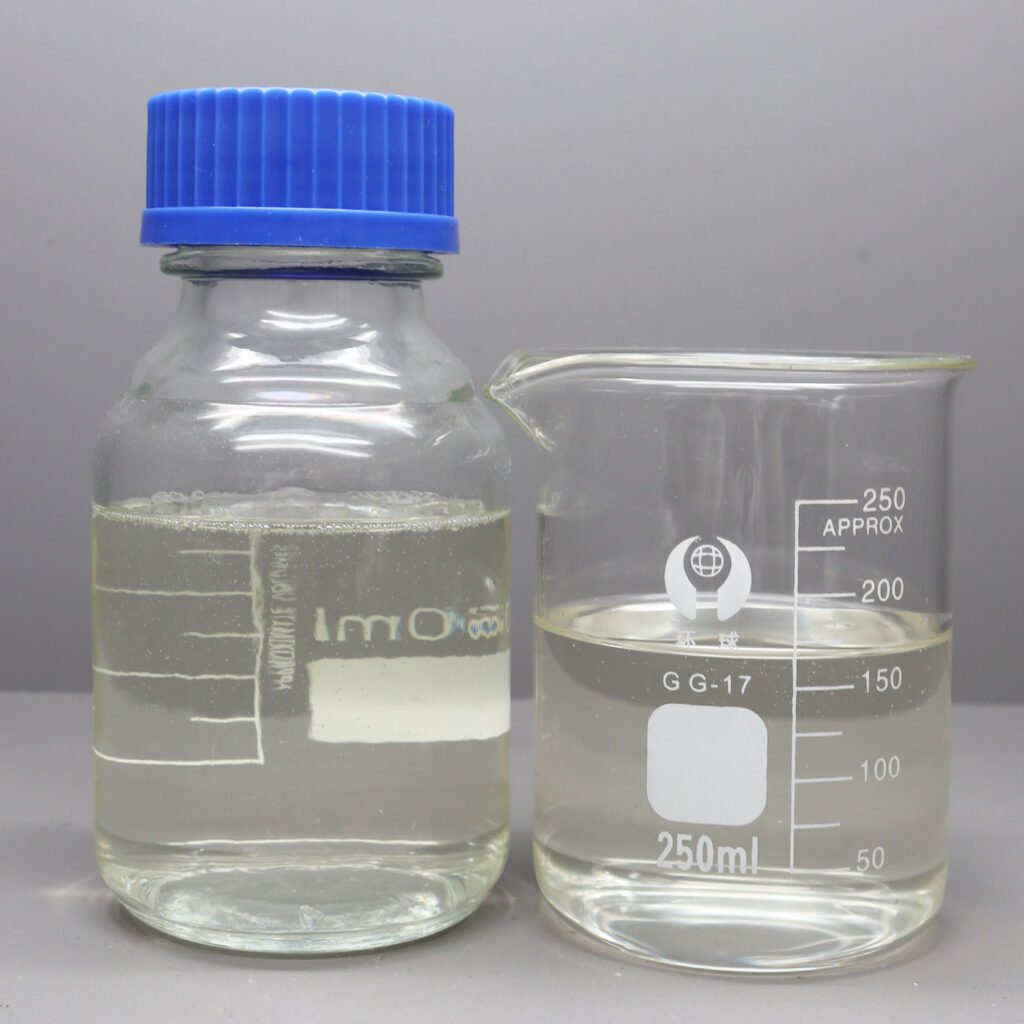
3. Textile Finishing Agents: Chemicals for Functional Fabrics
Modern textile products require more than attractive colors and comfortable textures. Finishing agents are applied after dyeing to provide additional functions and improve the overall performance of fabrics.
Common Types of Textile Finishing Agents
| Finishing Agent | Main Function | Applications |
|---|---|---|
| Water-Repellent Agents | Reduce water absorption and improve weather resistance | Outdoor clothing, rainwear, sportswear |
| Flame Retardants | Reduce fabric flammability and improve safety | Protective clothing, industrial textiles |
| Antibacterial Agents | Inhibit bacterial growth and reduce odors | Medical textiles, healthcare products |
| Anti-Wrinkle Agents | Improve fabric shape retention and easy-care performance | Shirts, uniforms, business clothing |
| UV Protection Agents | Reduce ultraviolet penetration | Outdoor apparel and sun-protection fabrics |
| Moisture-Wicking Agents | Improve moisture management and comfort | Sportswear and activewear |
These functional textile chemicals allow manufacturers to produce fabrics that meet the increasing demand for performance, comfort, and safety.
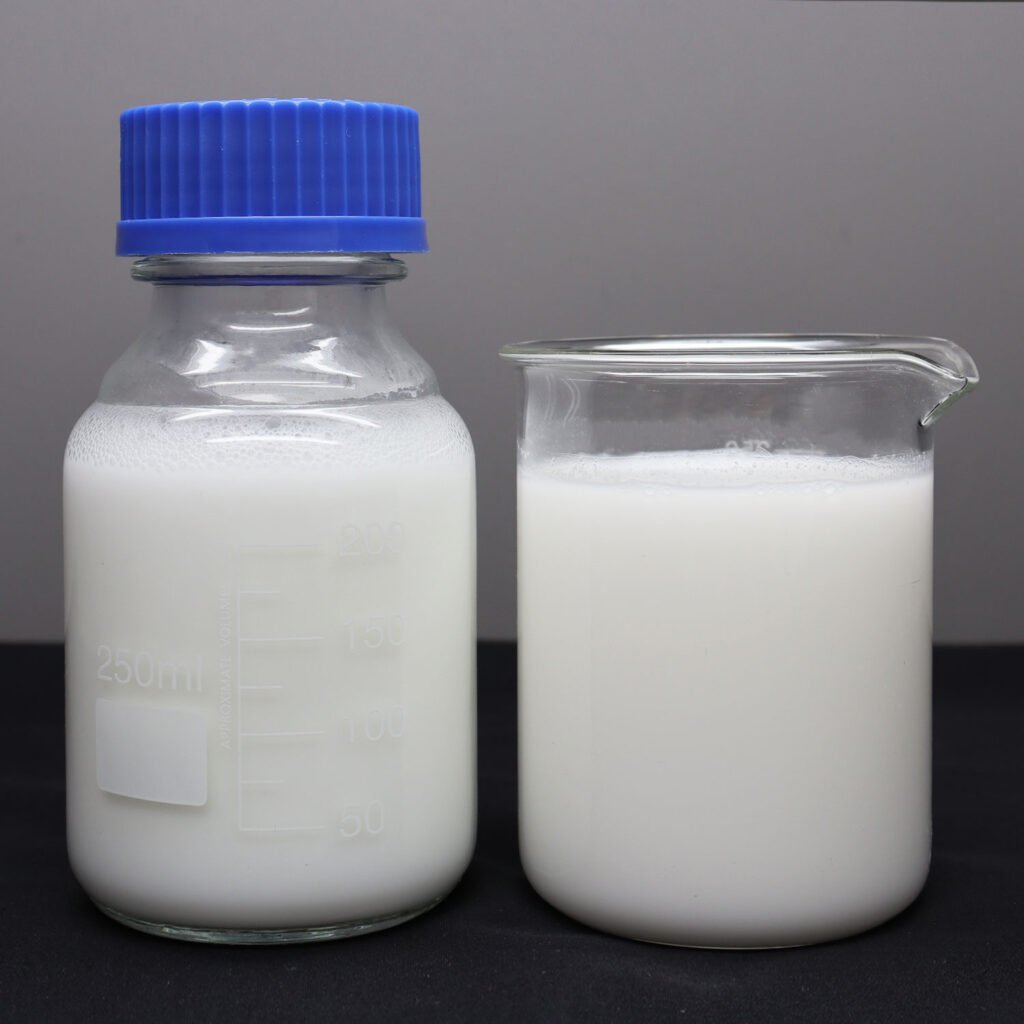
4. Textile Printing Chemicals: Supporting Decorative Textile Production
Textile printing chemicals are used to create patterns, designs, and decorative effects on fabrics. They help improve printing accuracy, color durability, and overall appearance.
Main Types of Textile Printing Chemicals
| Printing Chemical | Function | Applications |
|---|---|---|
| Printing Pastes | Carry dyes or pigments onto fabric surfaces | Fashion fabrics, decorative textiles |
| Thickeners | Control viscosity and improve printing accuracy | Screen printing processes |
| Binders | Improve pigment adhesion and durability | Printed garments and fabrics |
| Washing Agents | Remove excess chemicals after printing | Post-printing treatment |
Textile printing chemicals are commonly used in fashion, home decoration fabrics, customized textiles, and promotional textile products.
5. Applications of Textile Chemicals in Different Industries
Textile chemicals are used across a wide range of industries. Different applications require different chemical solutions to achieve specific performance requirements.
| Application Field | Common Textile Chemicals Used | Benefits |
|---|---|---|
| Apparel | Dyes, softeners, fixing agents, anti-wrinkle agents | Improved appearance, comfort, and durability |
| Home Textiles | Softeners, antibacterial agents, flame retardants | Better safety, softness, and hygiene |
| Sportswear | Water repellents, moisture-wicking agents, UV protection agents | Enhanced comfort and outdoor performance |
| Medical Textiles | Antibacterial agents, protective finishes | Improved hygiene and safety |
| Automotive Textiles | Heat-resistant chemicals, durable finishing agents | Higher strength and long service life |
| Industrial Textiles | Flame retardants, protective chemicals | Improved safety and performance |
6. Sustainable Textile Chemicals: Supporting Green Manufacturing
With increasing environmental awareness, textile manufacturers are adopting more sustainable chemical solutions to reduce environmental impact while maintaining product performance.
Examples of sustainable textile chemicals include:
- Bio-based textile auxiliaries
- Low-formaldehyde finishing agents
- Eco-friendly dyes
- Water-saving dyeing chemicals
- Low-energy processing solutions
Sustainable textile chemicals help manufacturers reduce waste, improve resource efficiency, and meet increasingly strict environmental requirements.
How to Choose the Right Textile Chemicals?
Selecting suitable textile chemicals depends on several factors:
1. Fiber Type
Different fibers require different chemical solutions. For example, cotton, polyester, wool, and nylon have different dyeing and finishing requirements.
2. Fabric Performance Requirements
Manufacturers should consider the desired properties, such as:
- Color fastness
- Softness
- Water resistance
- Flame resistance
- Antibacterial performance
3. Production Process
The chemical selection should match the manufacturing process, including pretreatment, dyeing, printing, and finishing conditions.
4. Environmental Requirements
Eco-friendly and compliant textile chemicals are becoming increasingly important for global textile manufacturers.
Conclusion
Textile chemicals are essential components of modern textile manufacturing. From dyes that create vibrant colors, to auxiliaries that improve processing efficiency, and finishing agents that add advanced functions, each type of textile chemical plays an important role in producing high-quality fabrics.
With growing demand for functional, durable, and sustainable textiles, innovative textile chemical solutions will continue to support the development of apparel, home textiles, medical textiles, and industrial fabrics.
Meixin Biotech provides professional textile chemical solutions to help manufacturers improve production efficiency, enhance fabric performance, and meet changing market requirements.
Contact Meixin Biotech: connie.huang@meixinbiotech.com